Overview
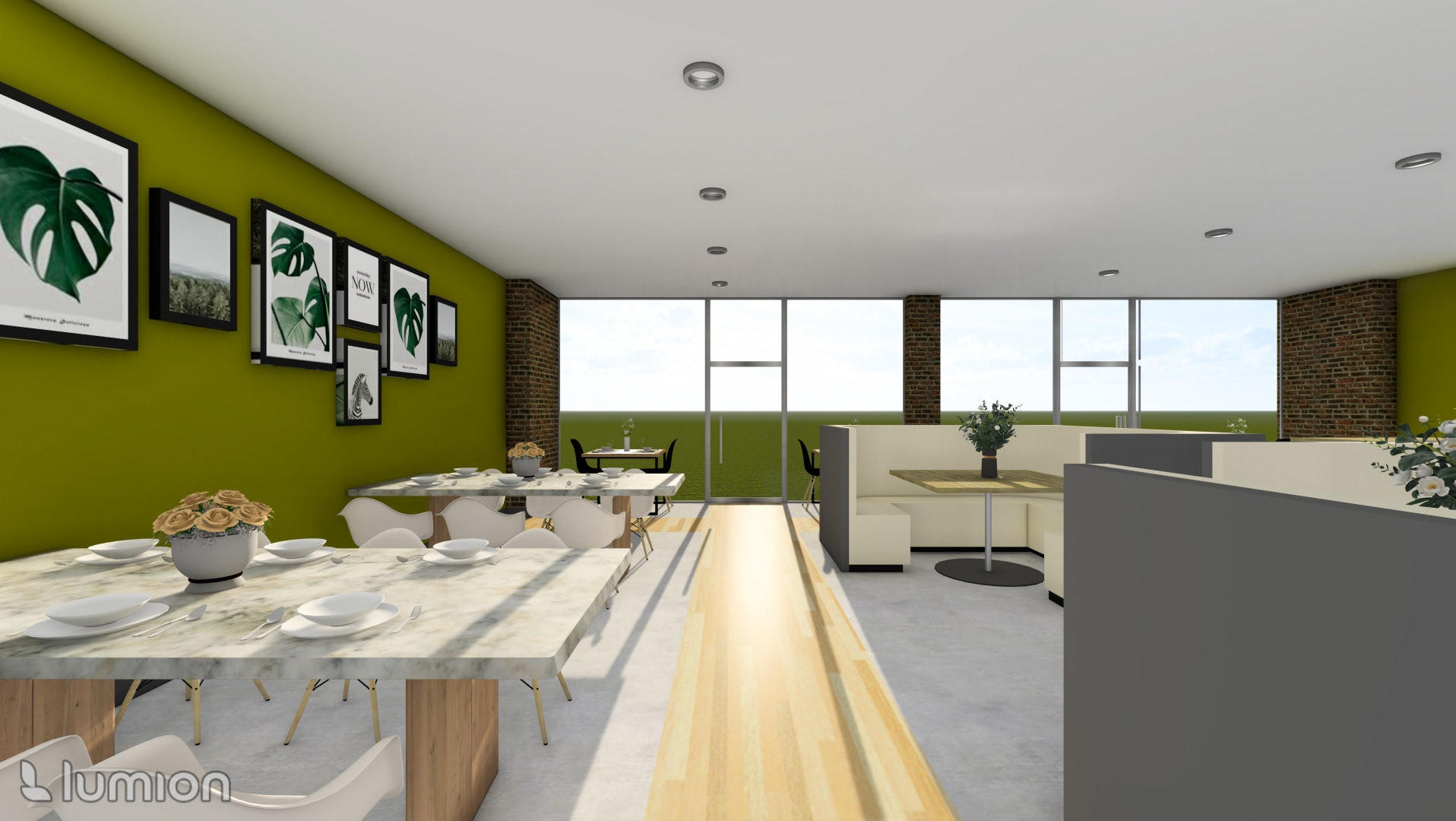
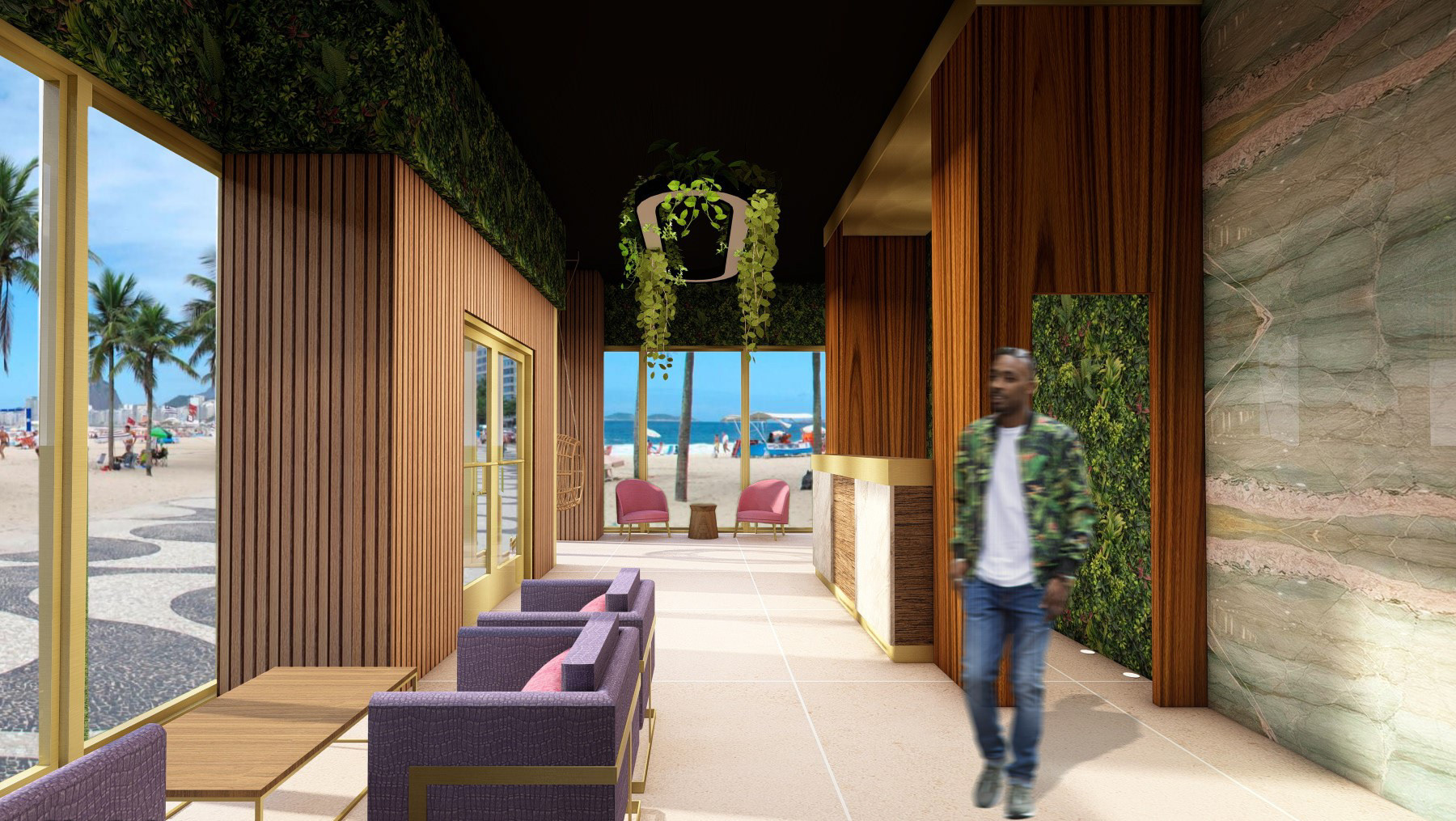
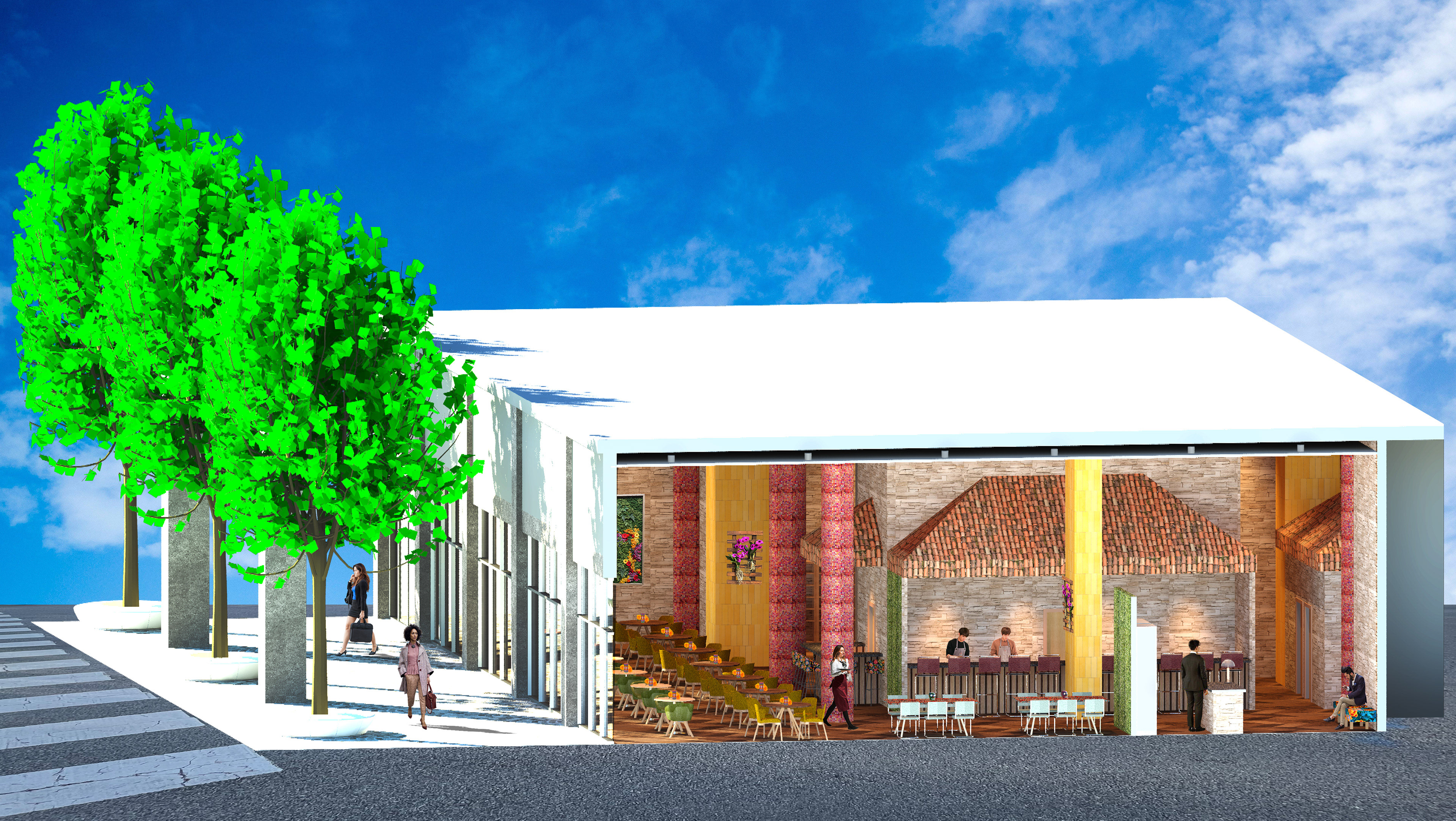
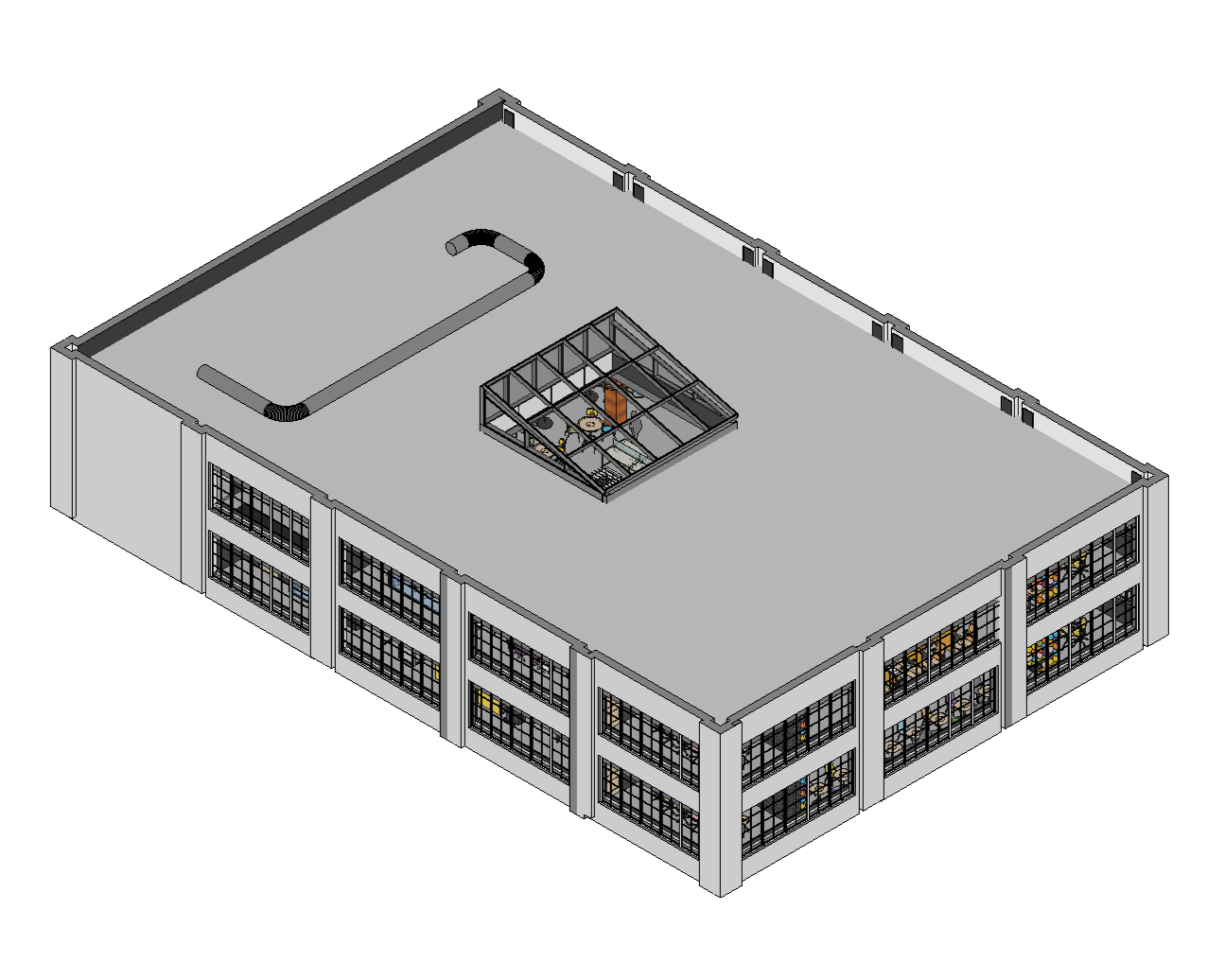
Models serve a variety of purposes in the quest for spatial solutions. In this context, they help enhance my tactile understanding of the systems I will engage with as an Interior Architect/Designer. During my Anatomy of the Built Environment I class in the fall of 2024, I was assigned to create a model representing a section of a building. The selected building coincided with the site I would be using for my Interior Architecture: Corporate Studio class. The final model—whether schematic or functional—needed to demonstrate my comprehension of the systems and their spatial dynamics.
Inclusions
1. The building's structural system
2. The curtain wall
3. HVAC system
4. The ceiling system
5. Plumbing (supply and drain)
6. Lighting systems
7. Power, communications, occupancy sensing
8. Fire suppression system
9. Partition system
Details
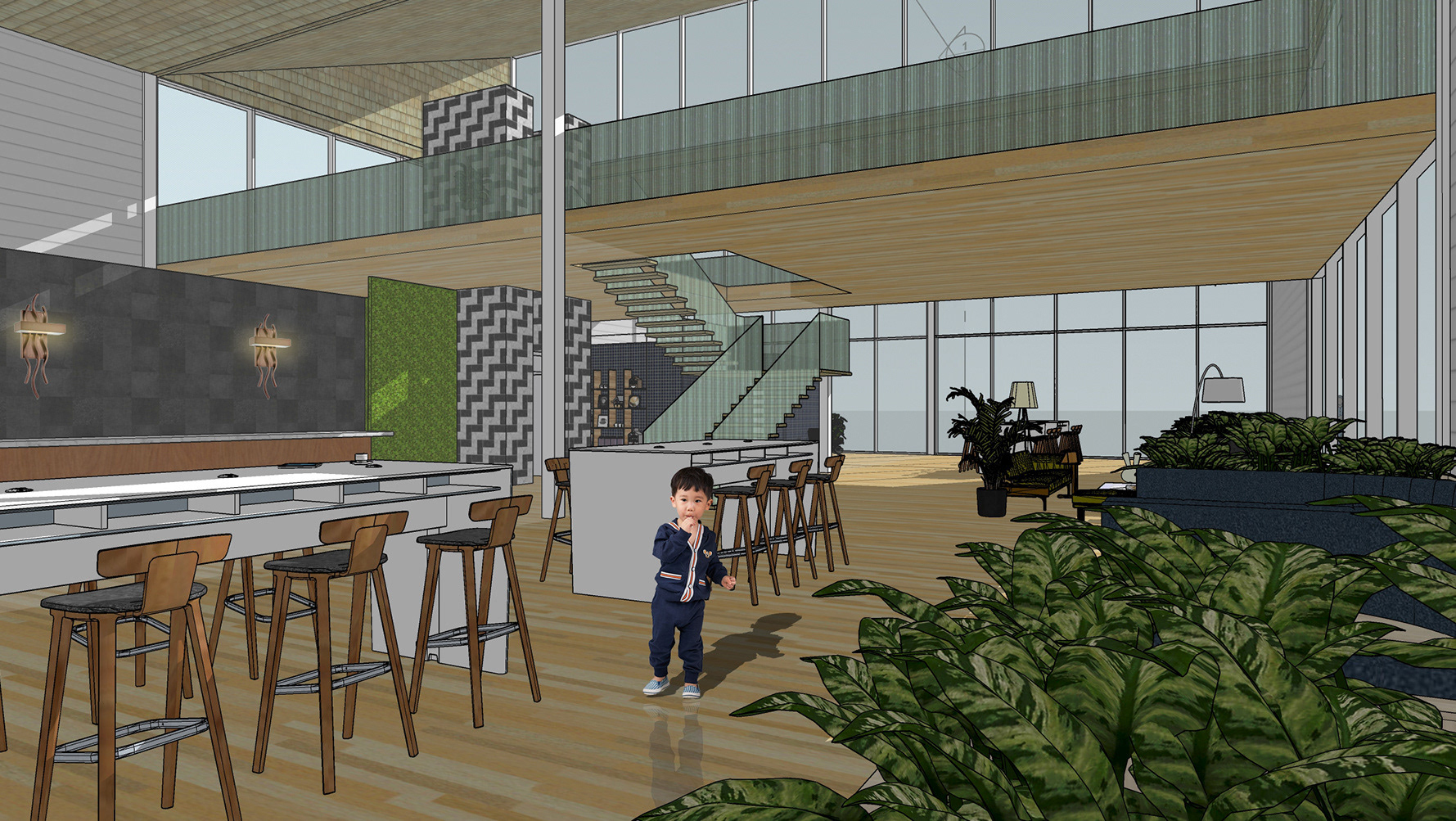
I chose to digitally model my work in Revit, photographically documenting the model and compiling it into a single PDF document using Adobe InDesign. I isolated and highlighted specific sections of the model to carefully present and identify each system.