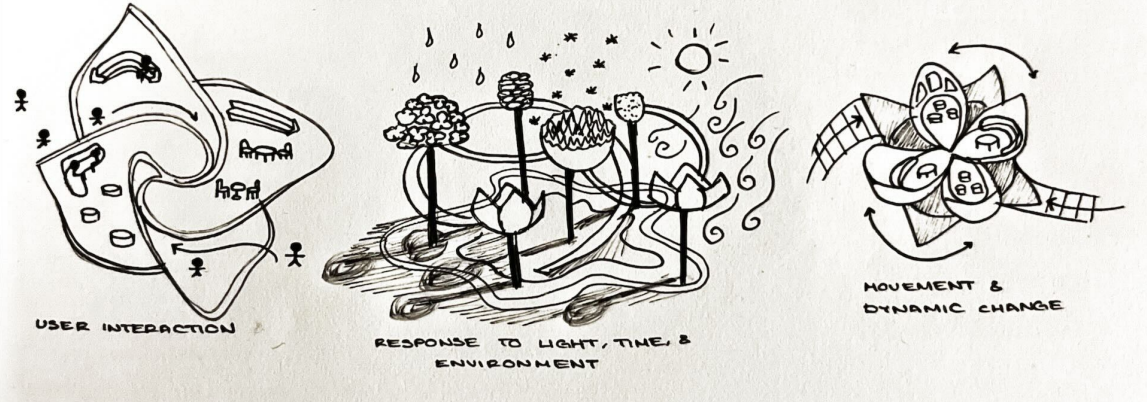
Diagrammatic Narrative Mapping
Form-Making through gesture, action, & narrative
My model explores the word "Craftsmanship," translating its movement into a deliberate and fluid plane at the hands of a skilled artisan. The act of molding follows a ritualistic movement that creates an immersive environment reflecting adaptive reuse and locally sourced materials. Working with recycled raw materials forsters a deep connection between creator and creation.
Model Making: fold + score
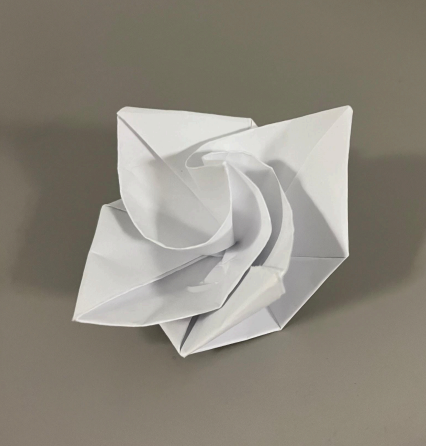
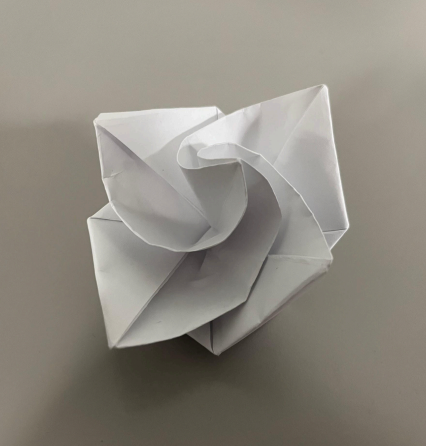
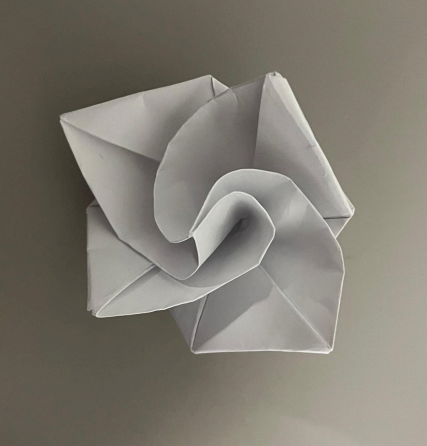
Model Making: cut + hinge
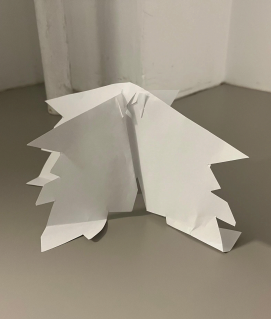
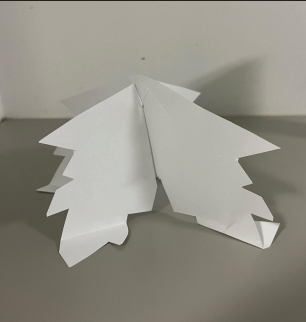
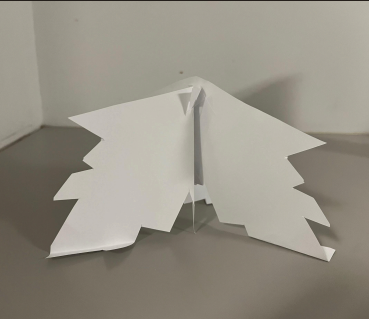
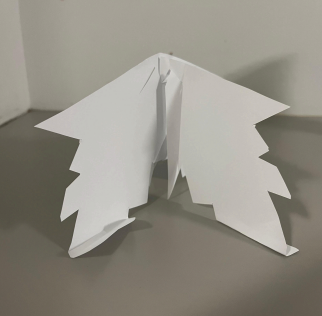
Model Making: wrap + compress
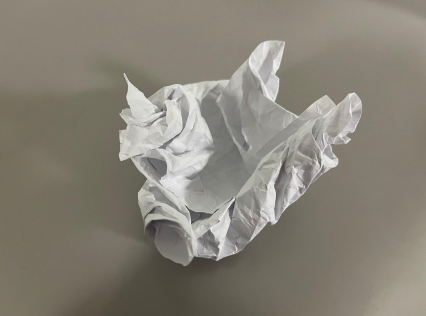
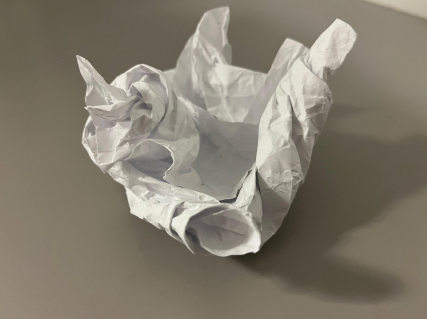
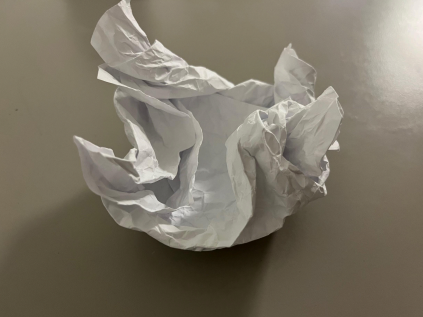
Massing Models
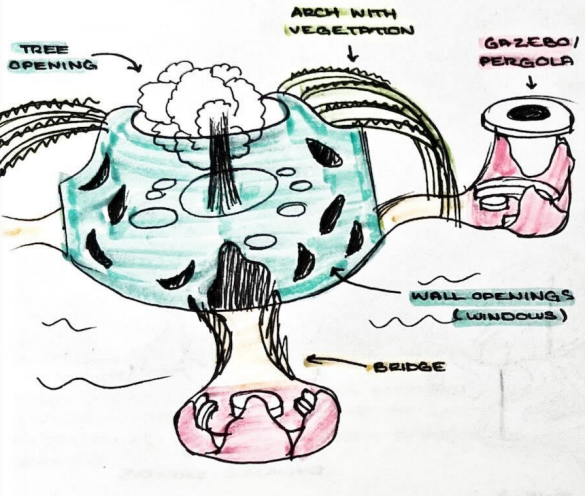
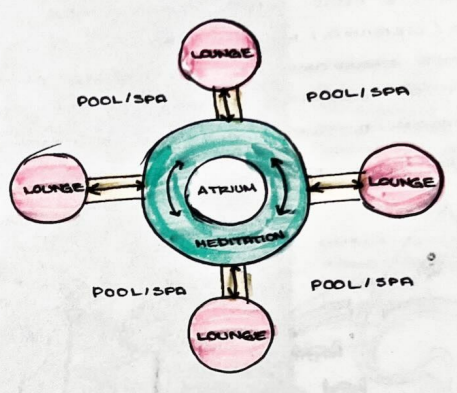
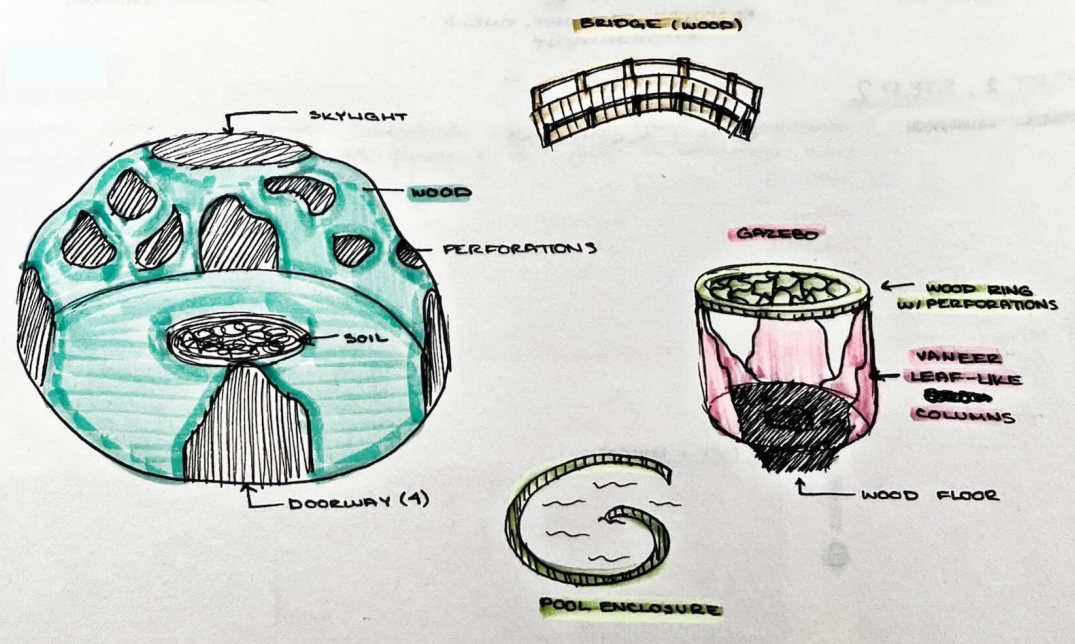
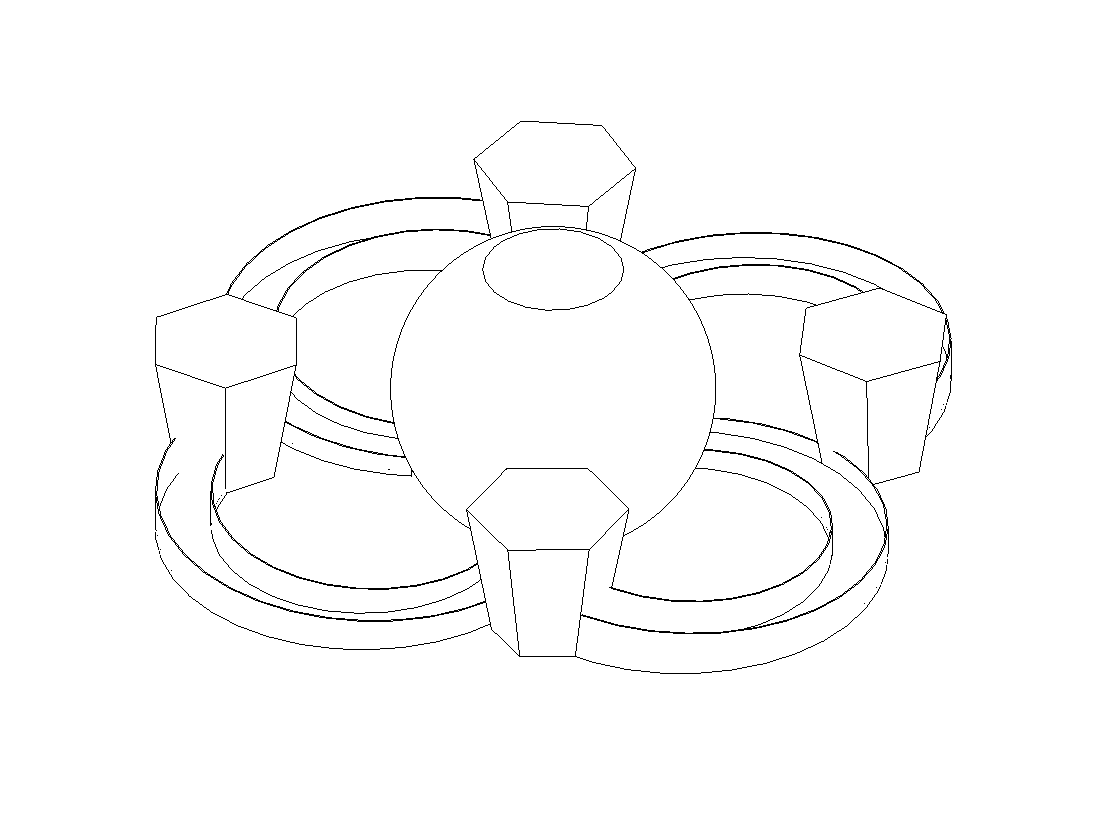
Translating my form-making explorations into spatial narratives, I sketched iterations of my models in relation to site conditions, spatial use, and mass. I continued to refine these models through digital massing in REVIT, experimenting with scale, orientation, circulation, light, and shadow.
Sketches
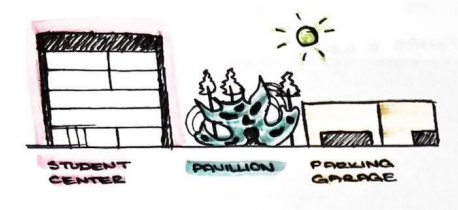
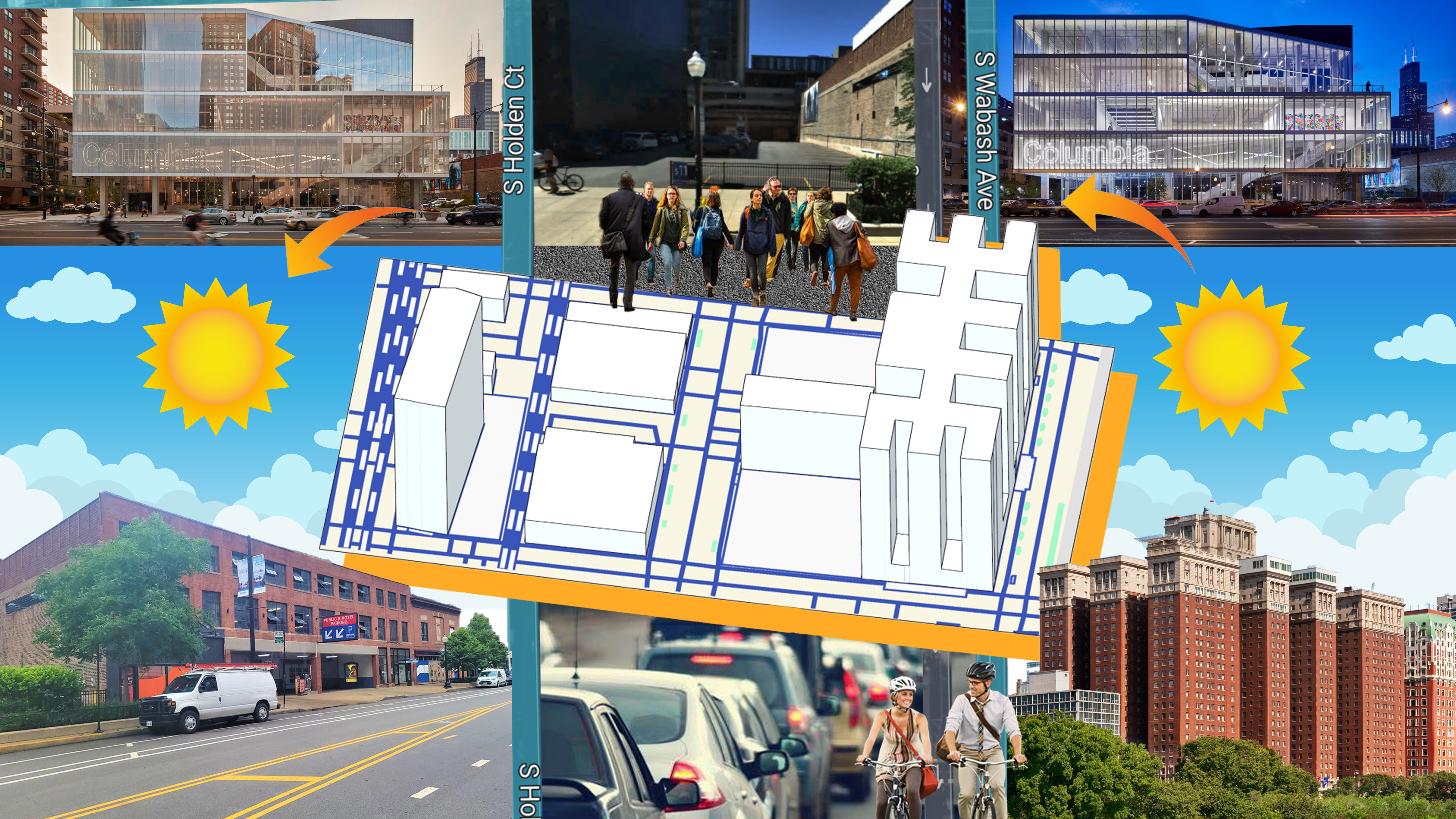
Site Conditions
Spatial Use
Spatial Use
Mass
Digital Massing
Mass 1: Hidden Line
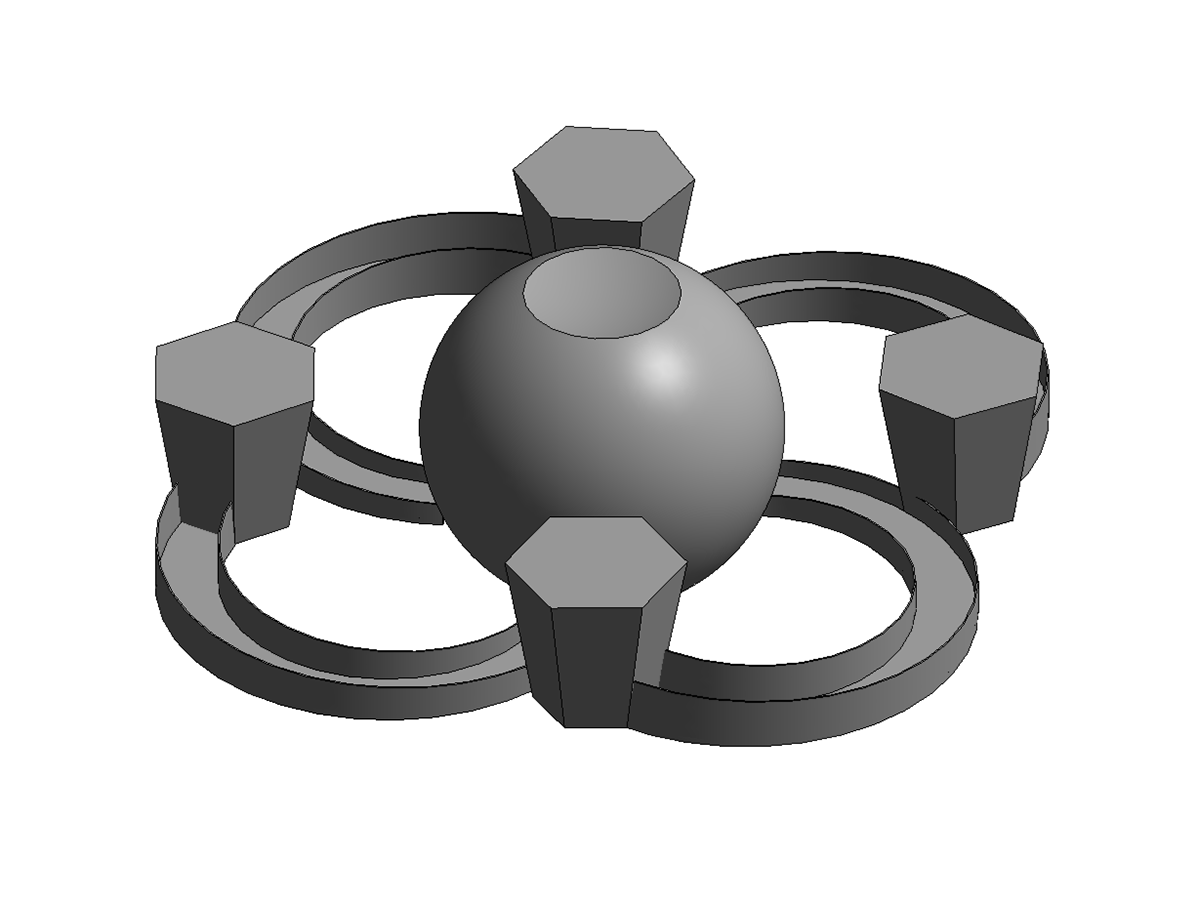
Mass 1: Shaded
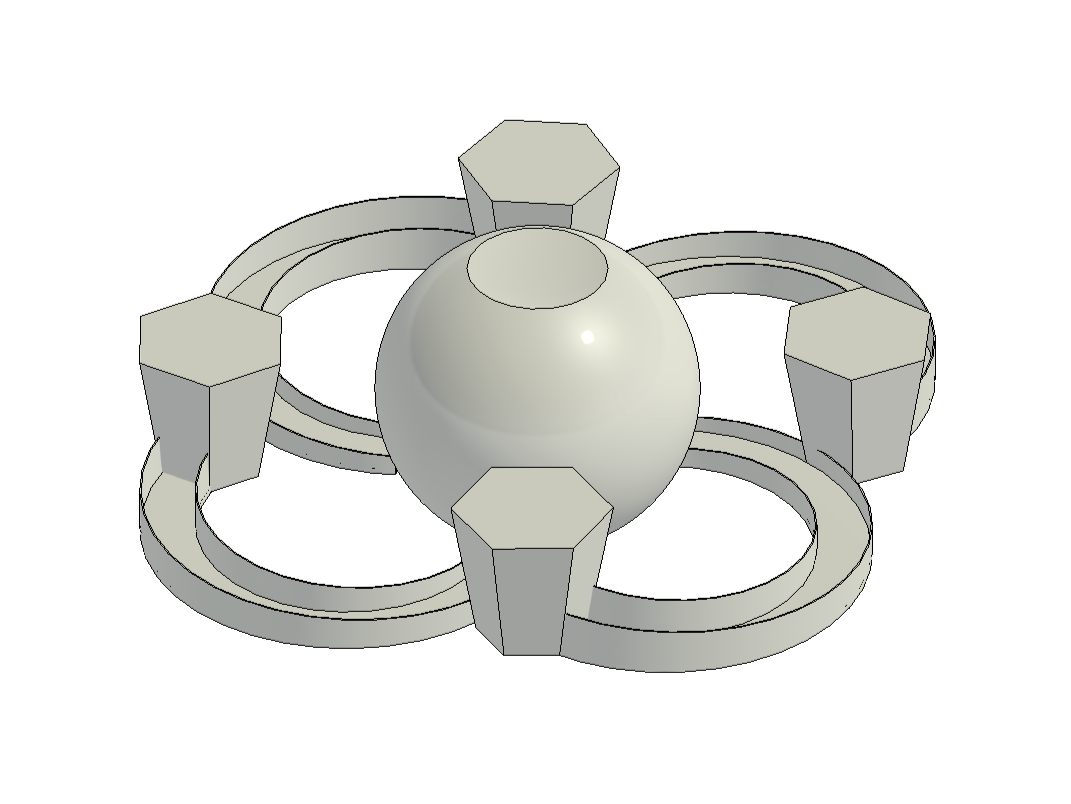
Mass 1: Realistic
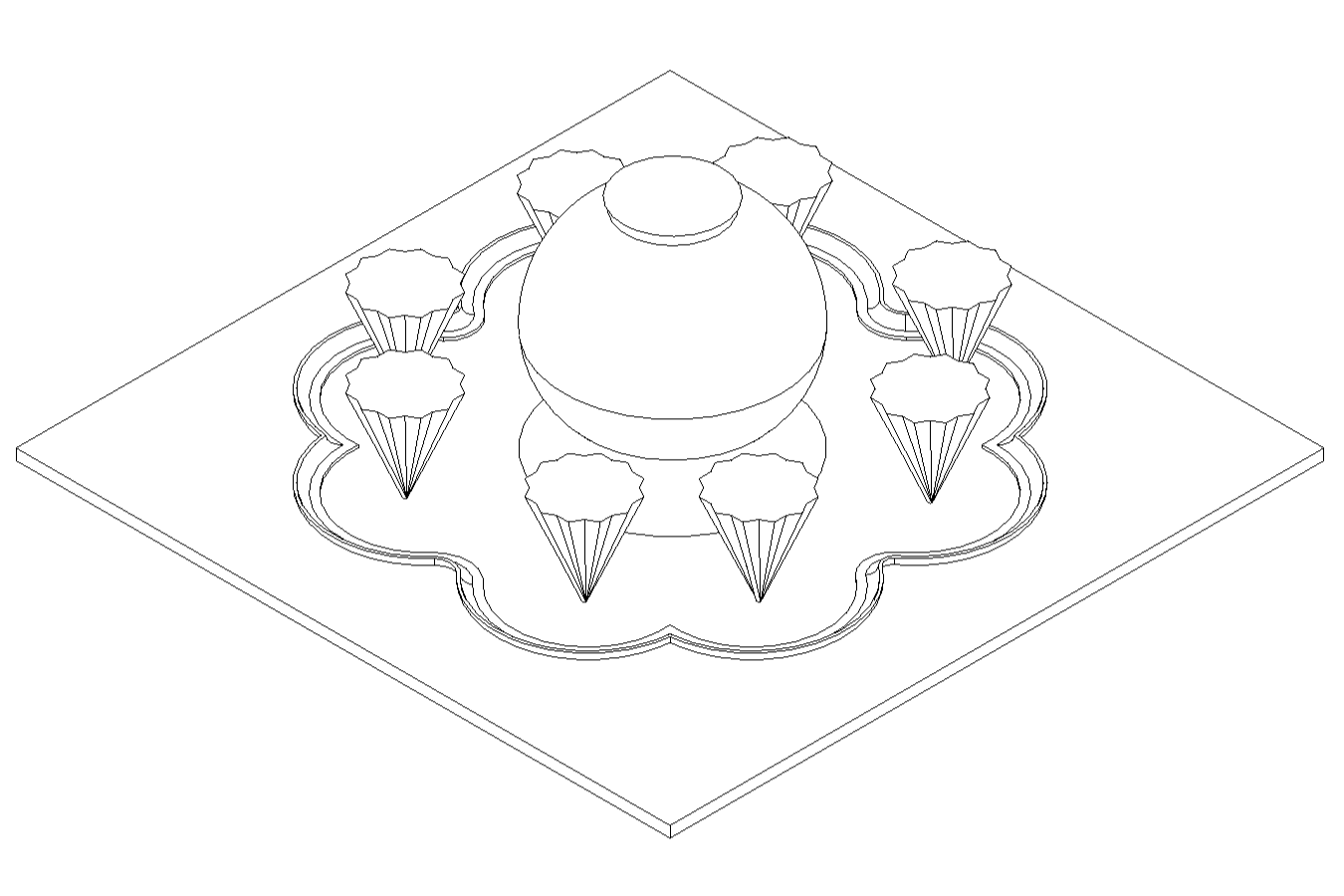
Mass 2: Hidden Line
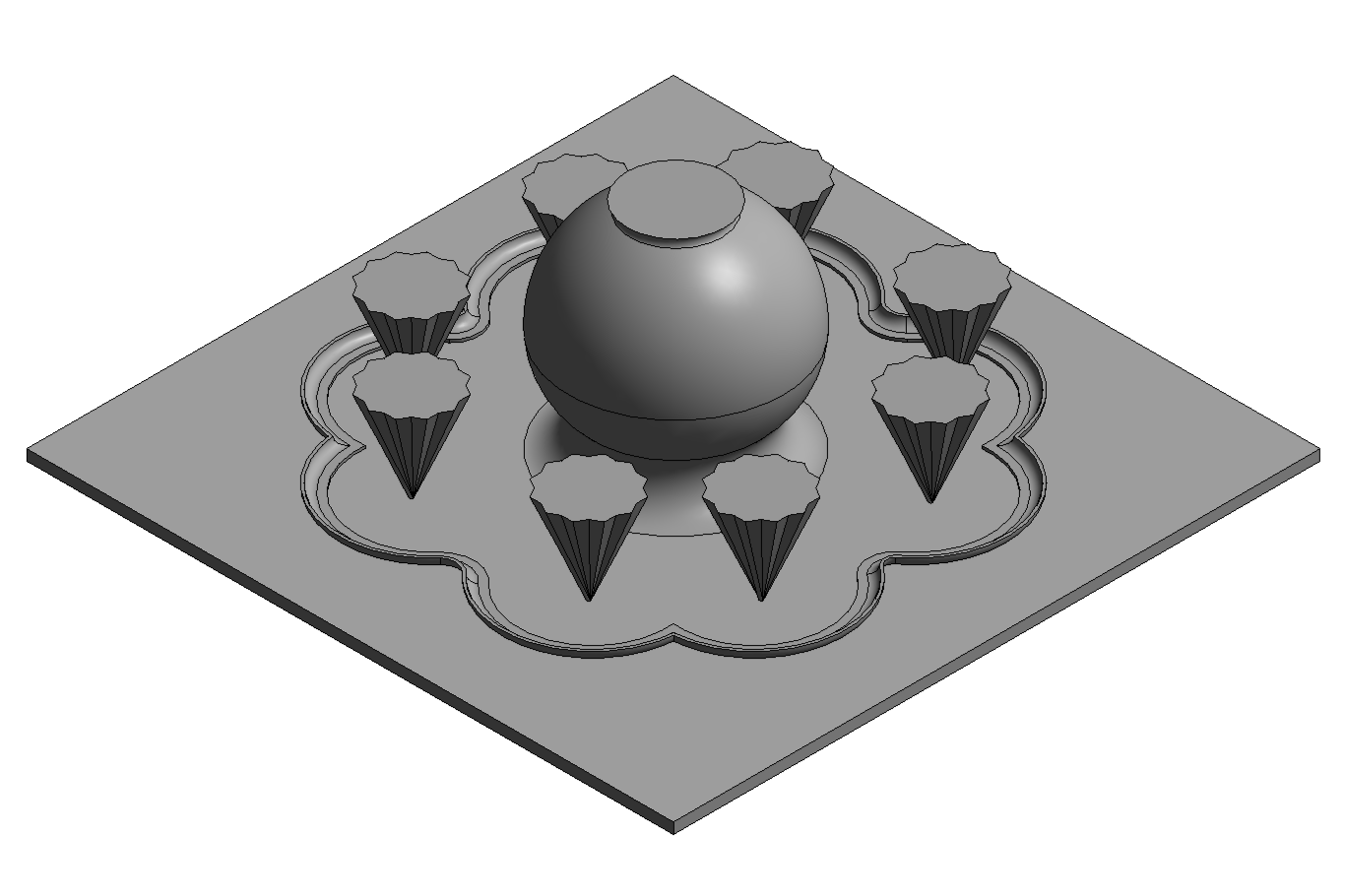
Mass 2: Shaded
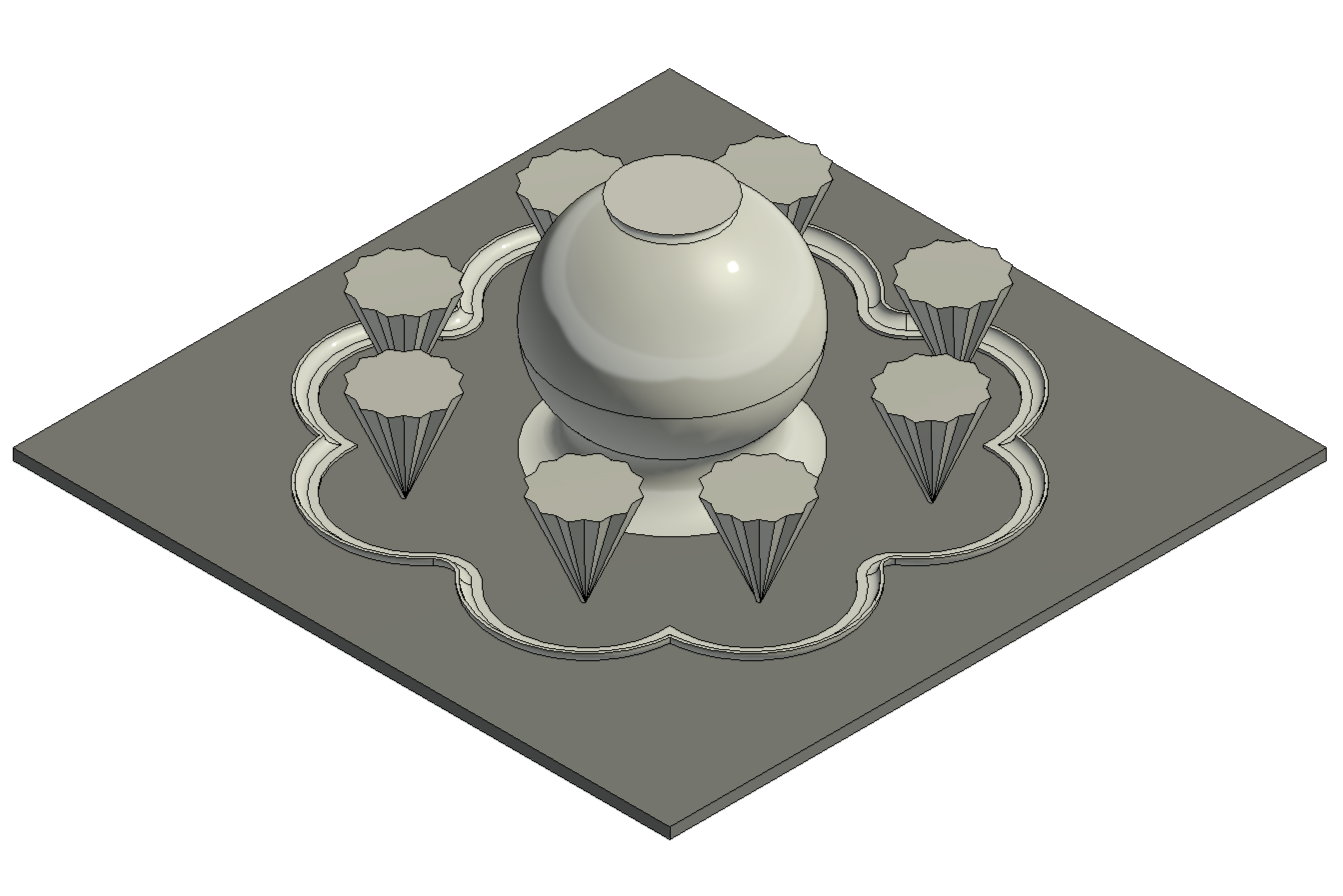
Mass 2: Realistic
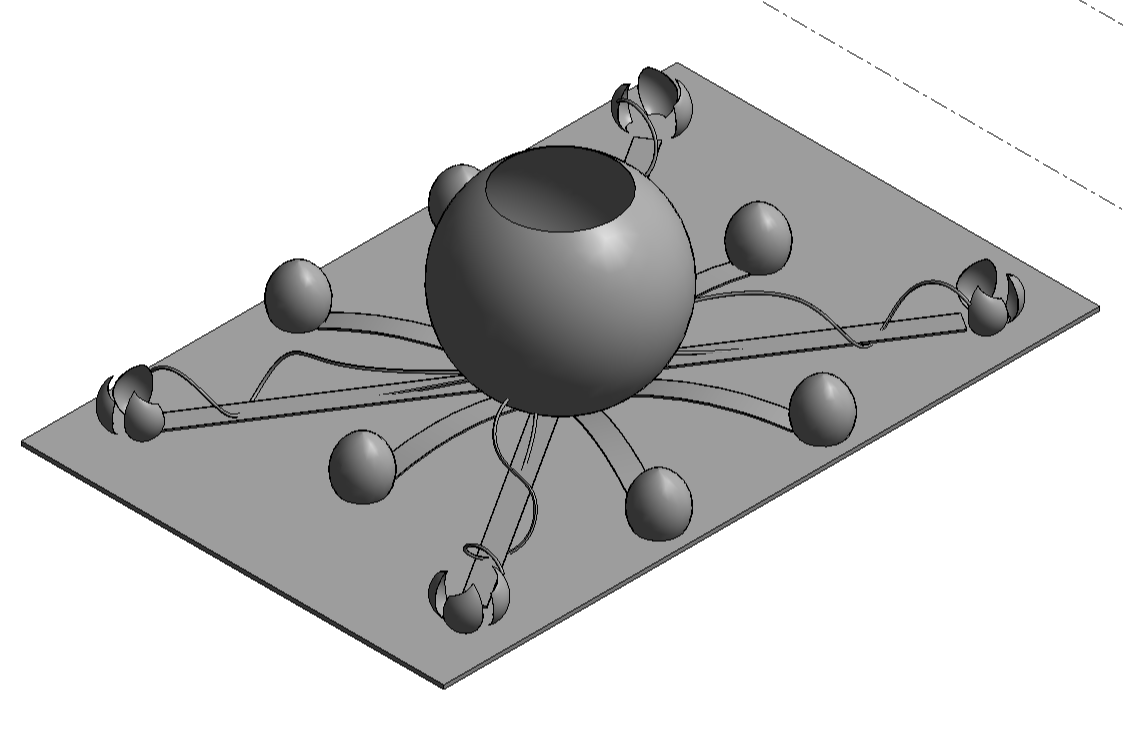
Mass 3: Shaded
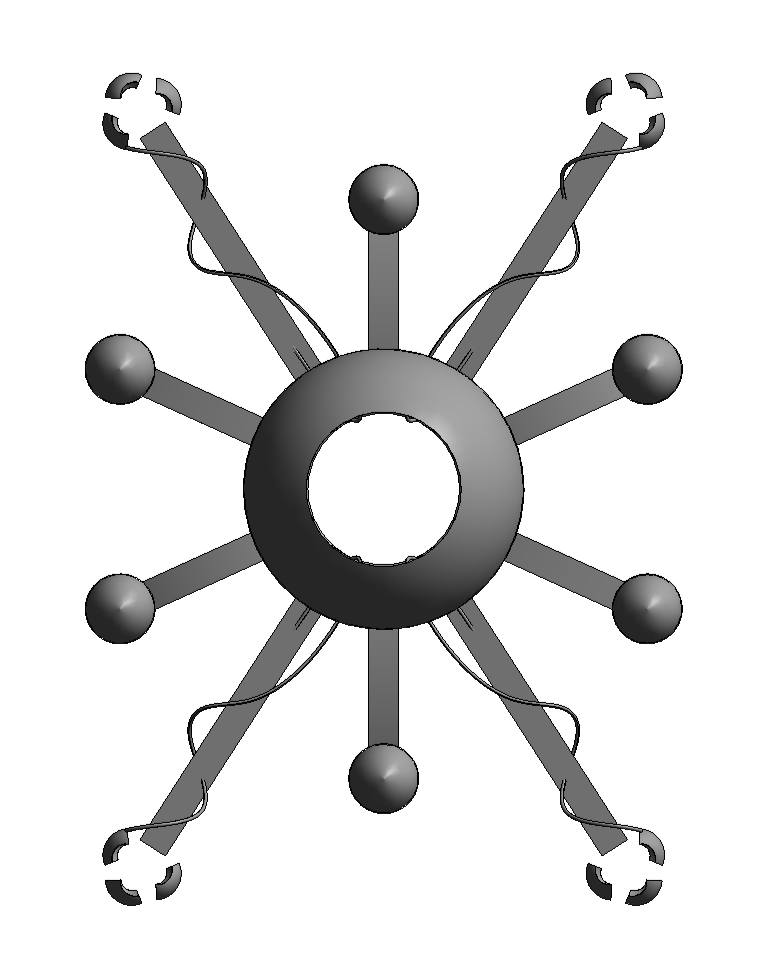
Mass 3: Shaded (Top View)
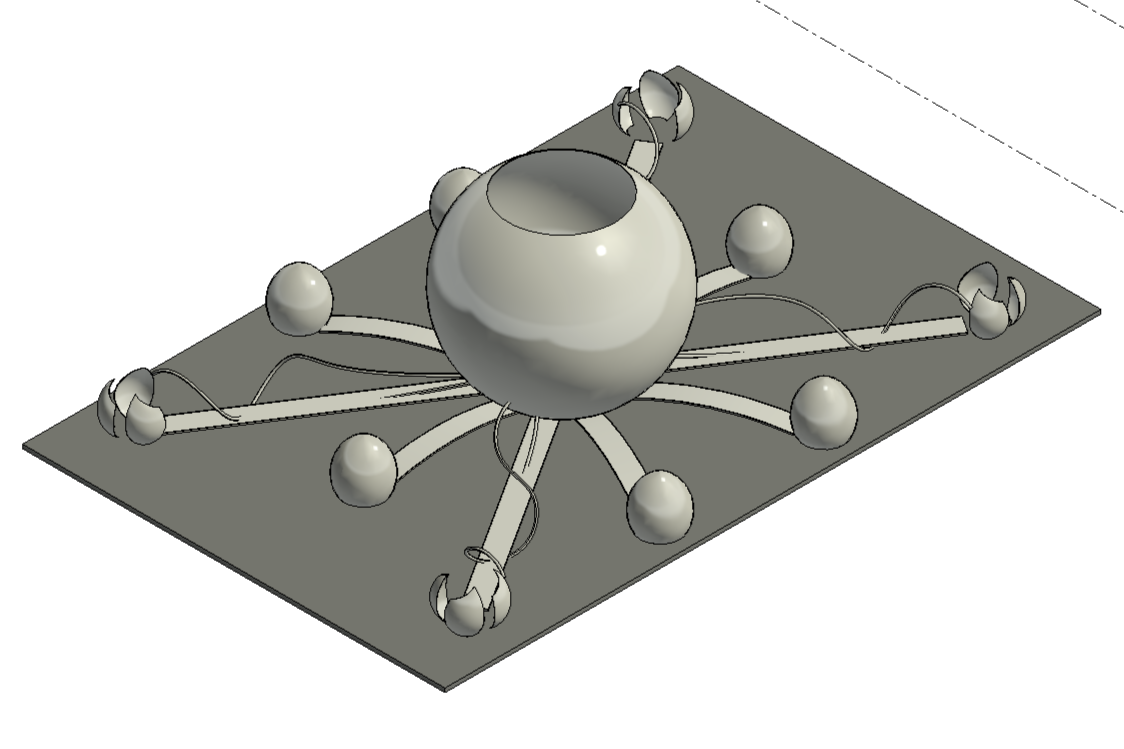
Mass 3: Realistic
Diagrams
I created a set of annotated sketches and diagrams to map spatial and conceptual evolution in my space.
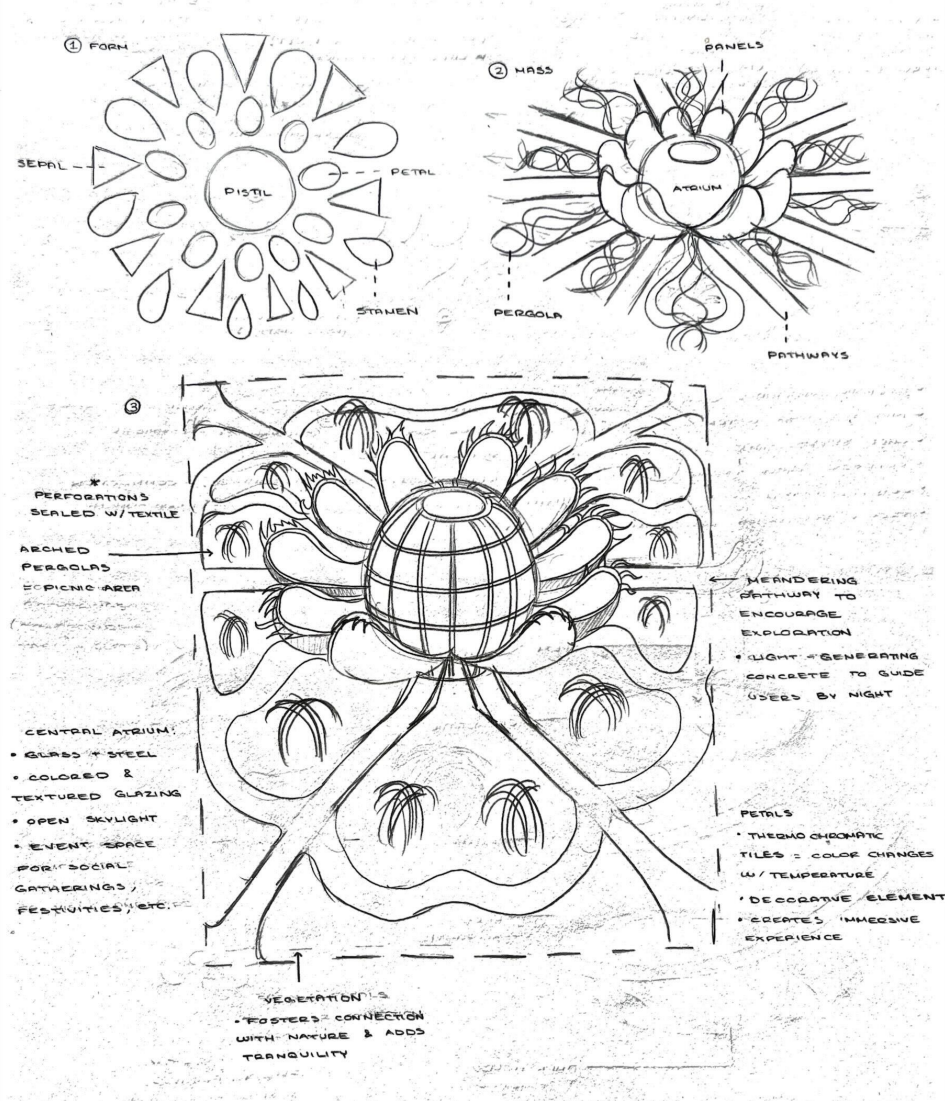
Design 1
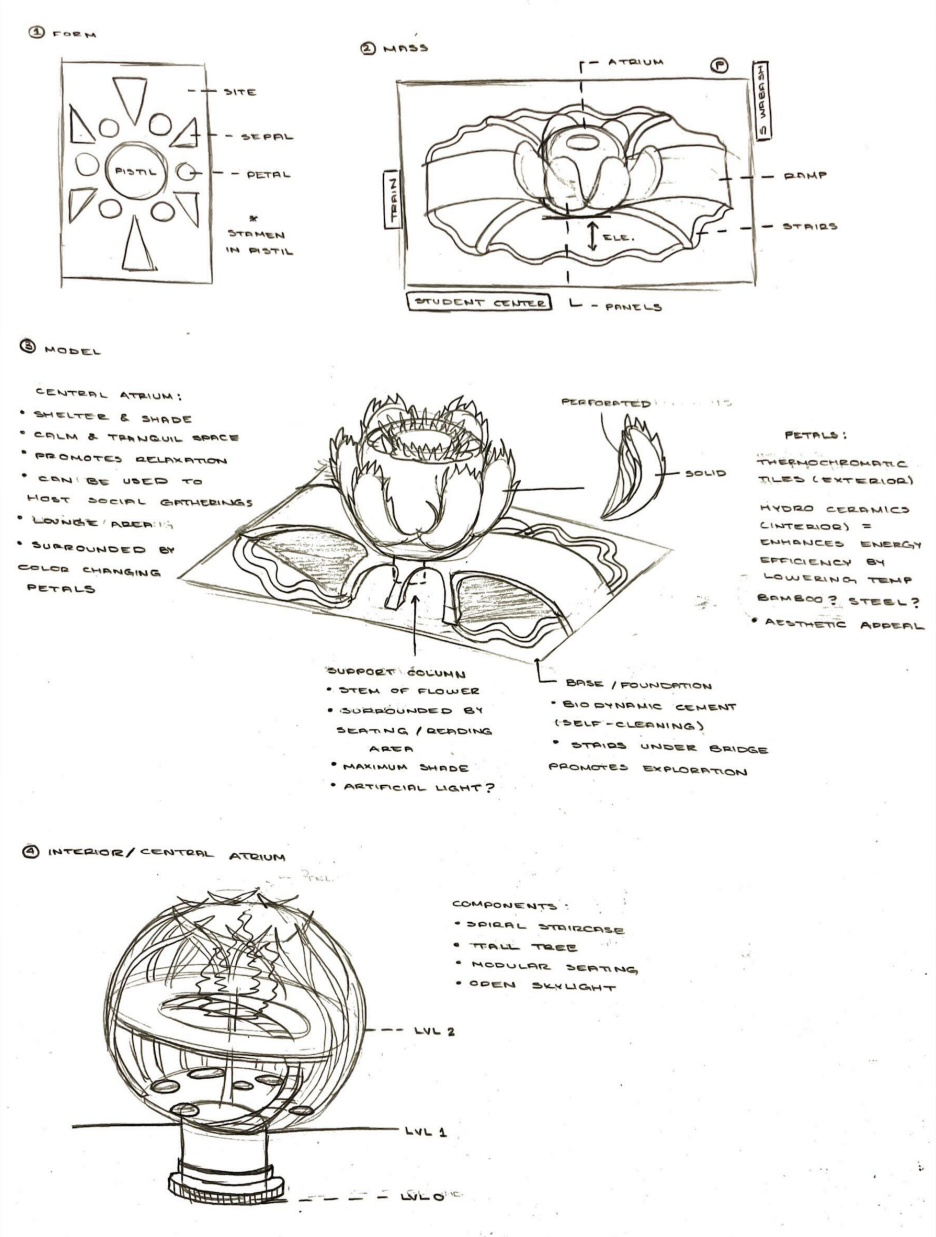
Design 2
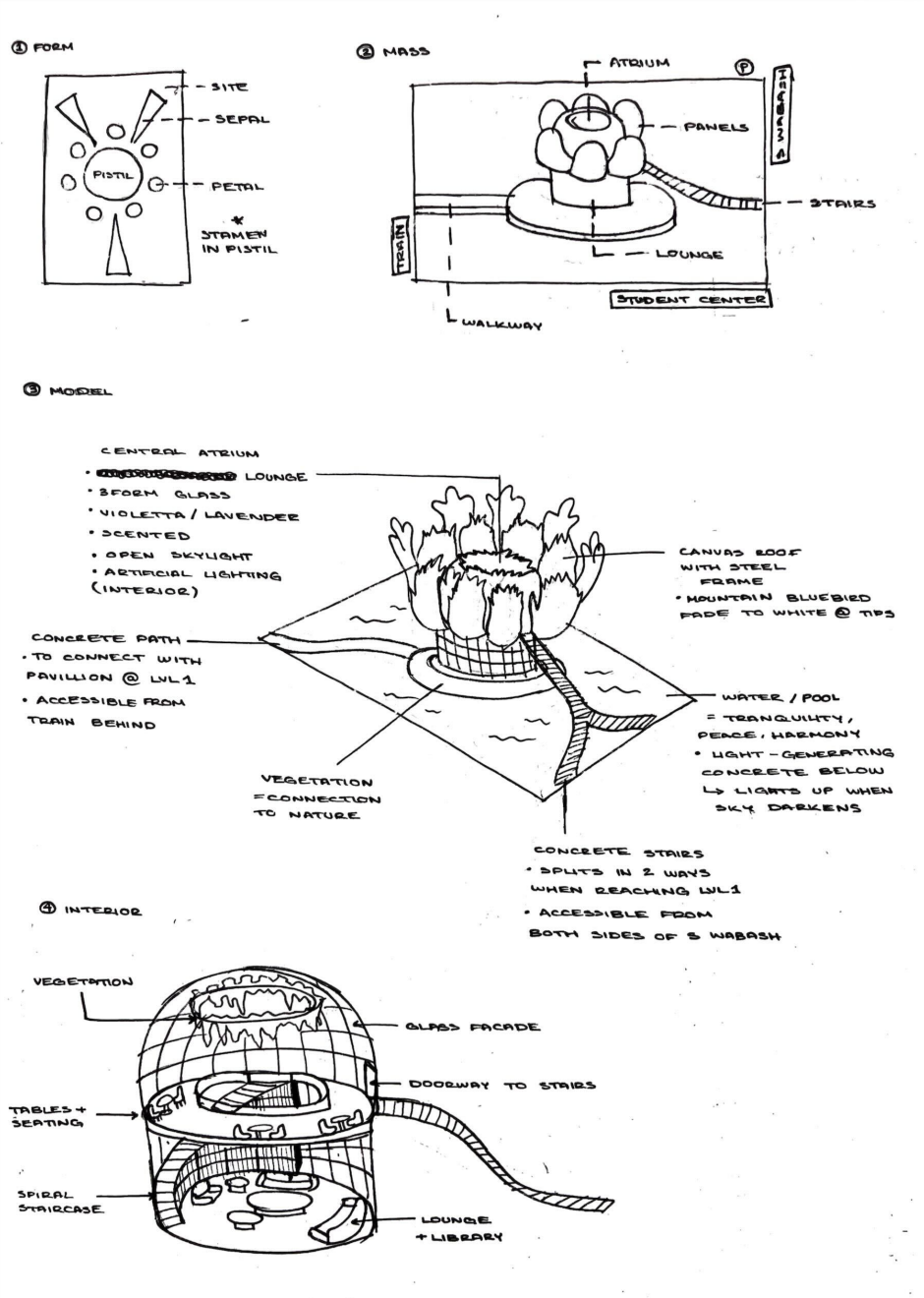
Design 3
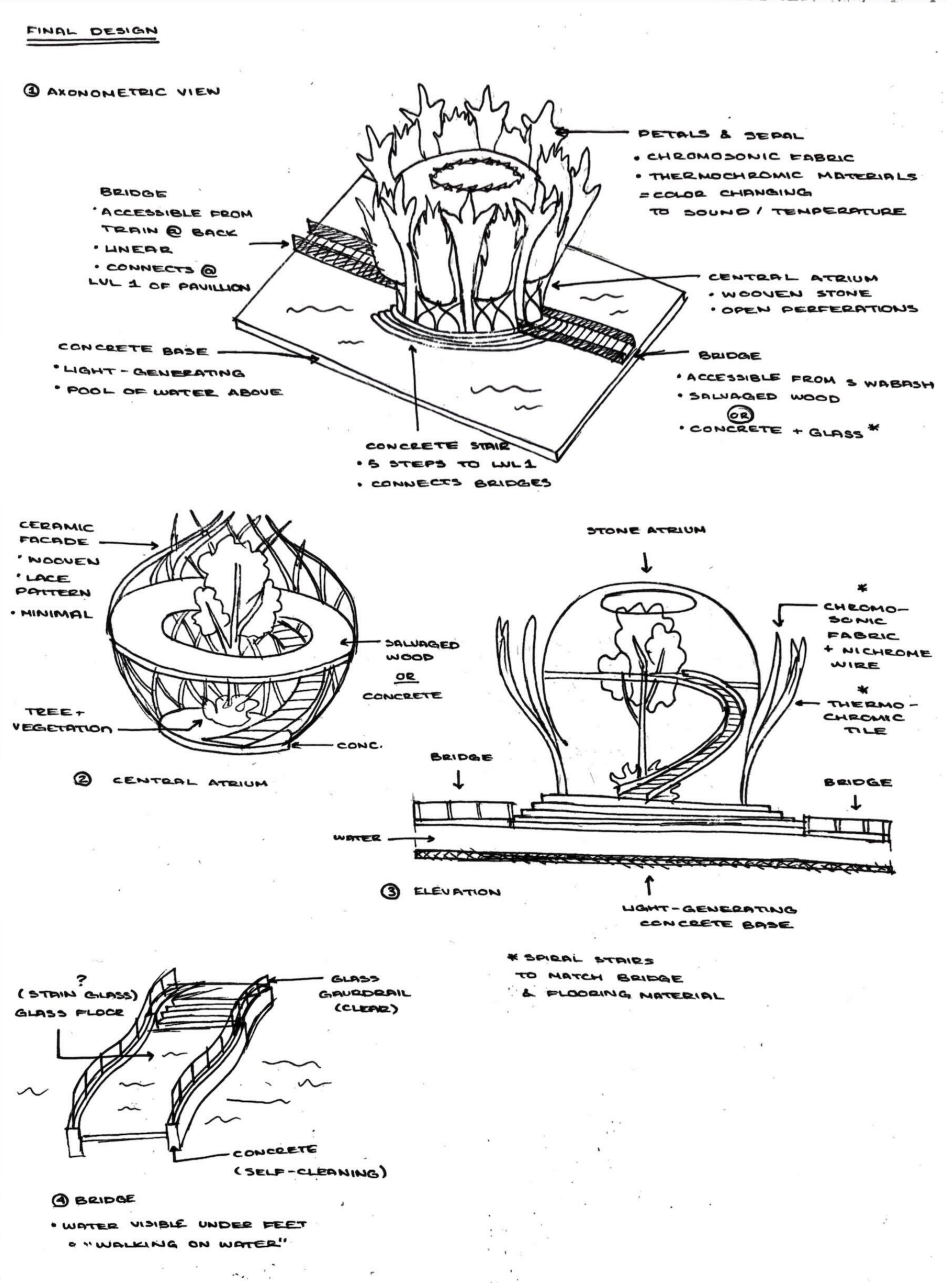
Design 4
Spatial Sequencing + Planning
First, I sketched out a user’s journey through my space, focusing on how they experience changes in light, scale, materials, and spatial transitions. I annotated key moments where engagement, compression, expansion, or contrast happens, thinking carefully about how form and movement guide the sequence of spaces.
Next, I refined both the interior and exterior logic of my massing model. I iterated based on the insights from my spatial storytelling, using Rhino8 to explore how my design interacts with the site more meaningfully.
Finally, I develop sectional and axonometric studies to visualize spatial layering. These drawings emphasize solid and void relationships, depth, verticality, and user interaction, highlighting how movement, visual access, and material qualities like porosity or transparency influence the overall experience.
Diagrammatic Spatial Storytelling
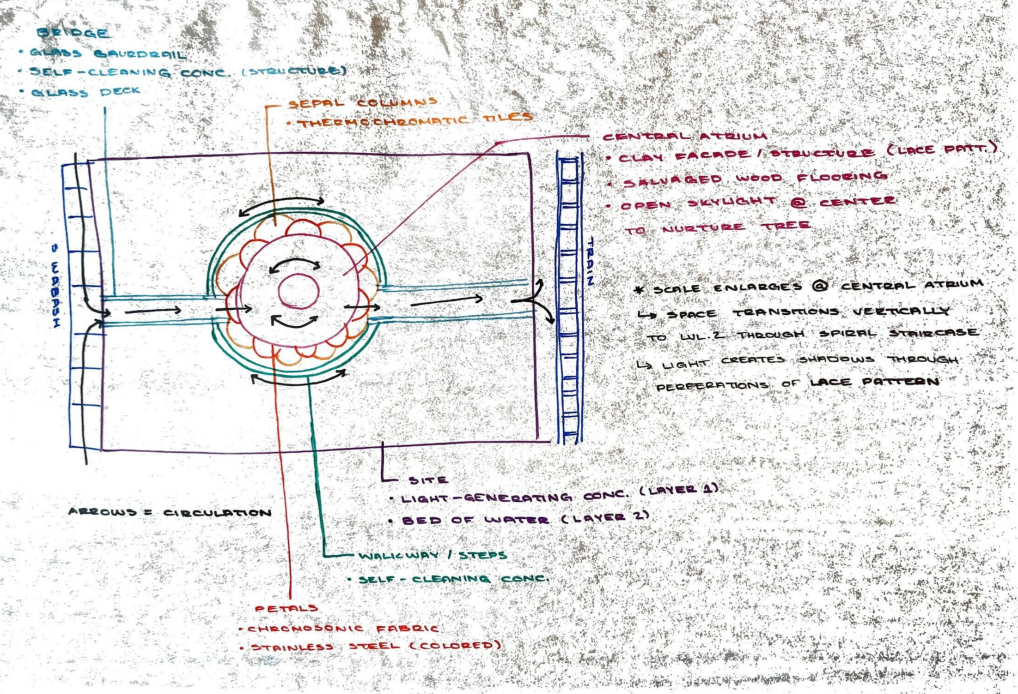
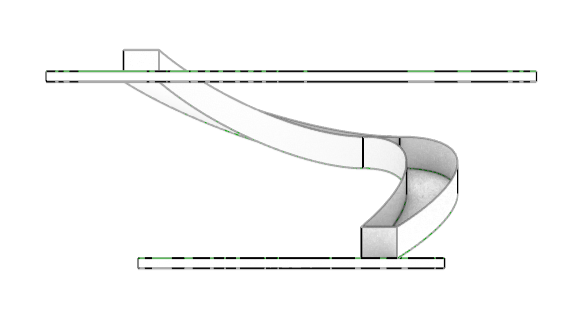
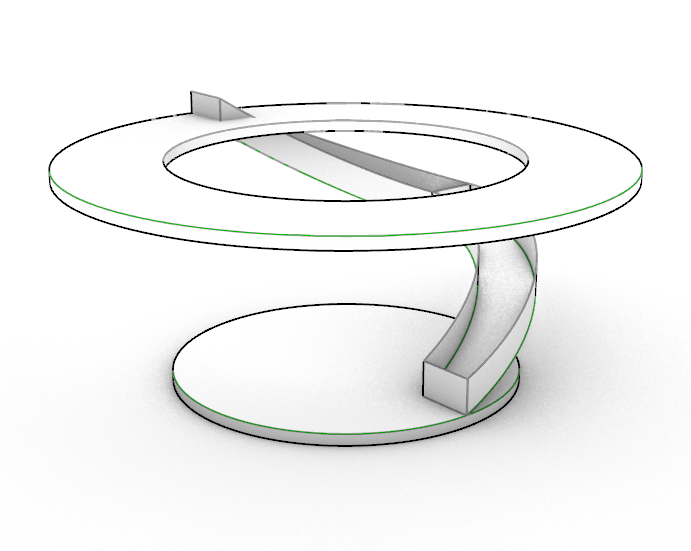
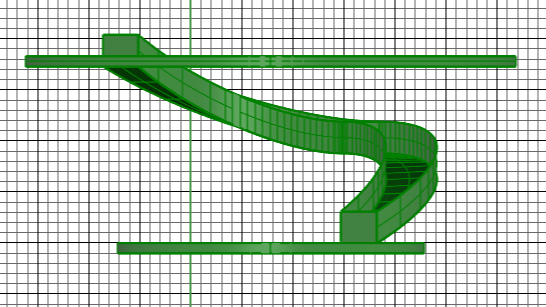
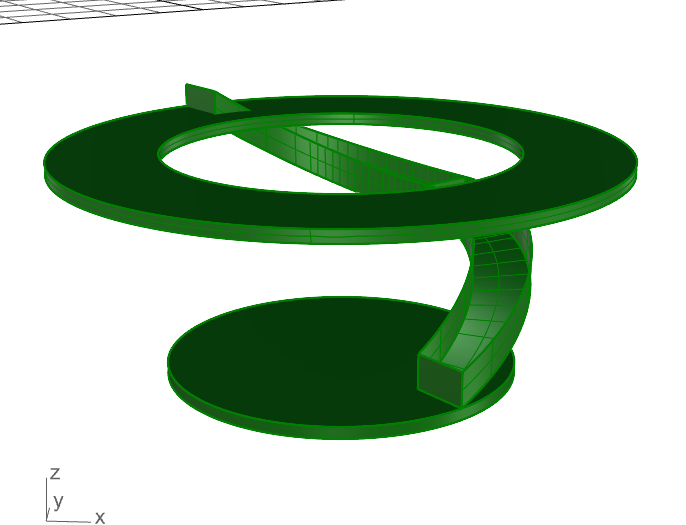
Interior Spatial Logic
1. User enters the central atrium at Level 1 through an archway
2. User goes up the ramp, encircling the perimeter of the atrium
3. User arrives at Level 2 and encounters an open dome
2. User goes up the ramp, encircling the perimeter of the atrium
3. User arrives at Level 2 and encounters an open dome
Exterior Spatial Logic
1. Chromosomic fabric will shift hues in motion with the train as it passes behind the Pavilion
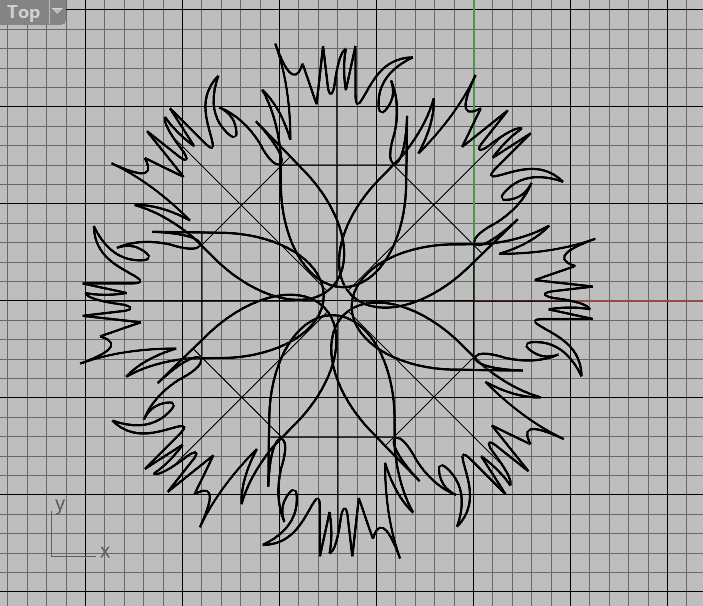
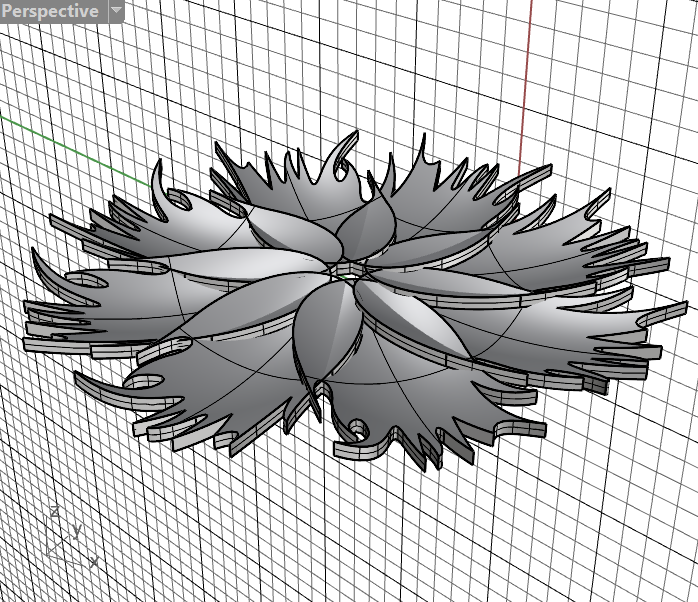
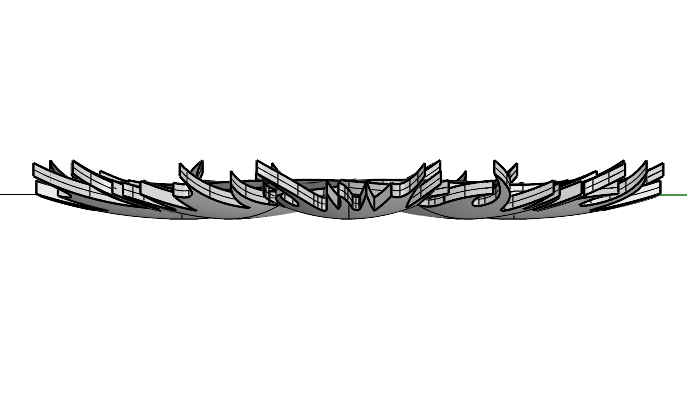
2. Petals will be arrayed 360 degrees to replicate a flower
2. Petals will be arrayed 360 degrees to replicate a flower
Sectional + Axon Studies
The Base is made of Light-Generating Concrete and is to be layered with water to create a calm/relaxing setting. The Floor Levels & Ramp are centered on the base, providing vertical circulation, ADA access, and a prime viewing area for users. The Atrium Sphere is also centered on the base, enclosing the Floor Levels & Ramp. Its prominent feature is its spiral movement, and it functions as an event space. The Bridge provides (ADA) access to the Atrium Sphere from South Wabash Ave and the train rails behind the site. Glass decking allows users to “Walk on Water.” The Sepals are connected to the Base, overlapping with the Atrium Sphere. They change color upon temperature change for an ecstatic visual aesthetic. Adjacent to the Sepals are the Petals, which also overlap with the Atrium Sphere. Similarly, these change color with the train noise.
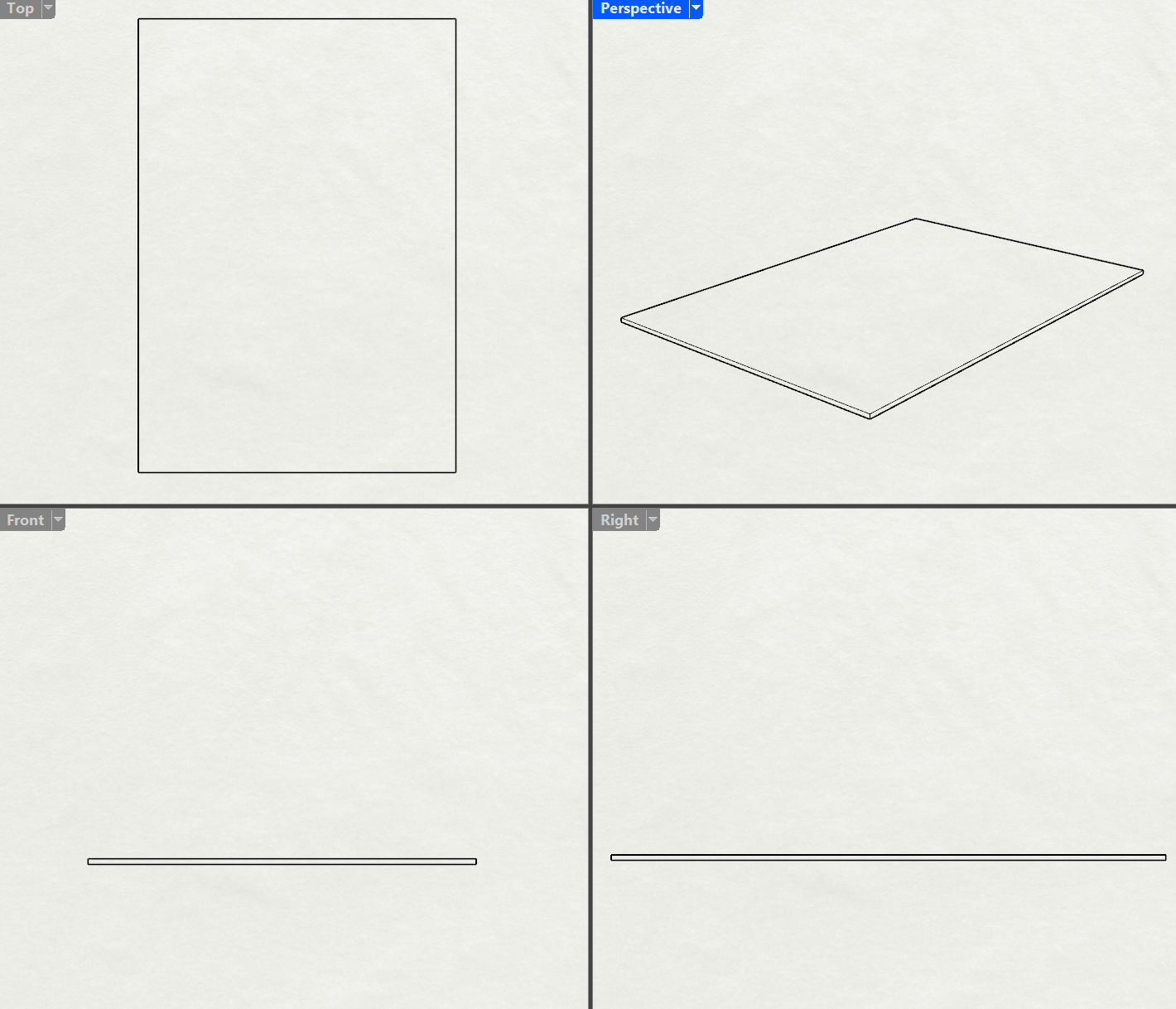
1. Base
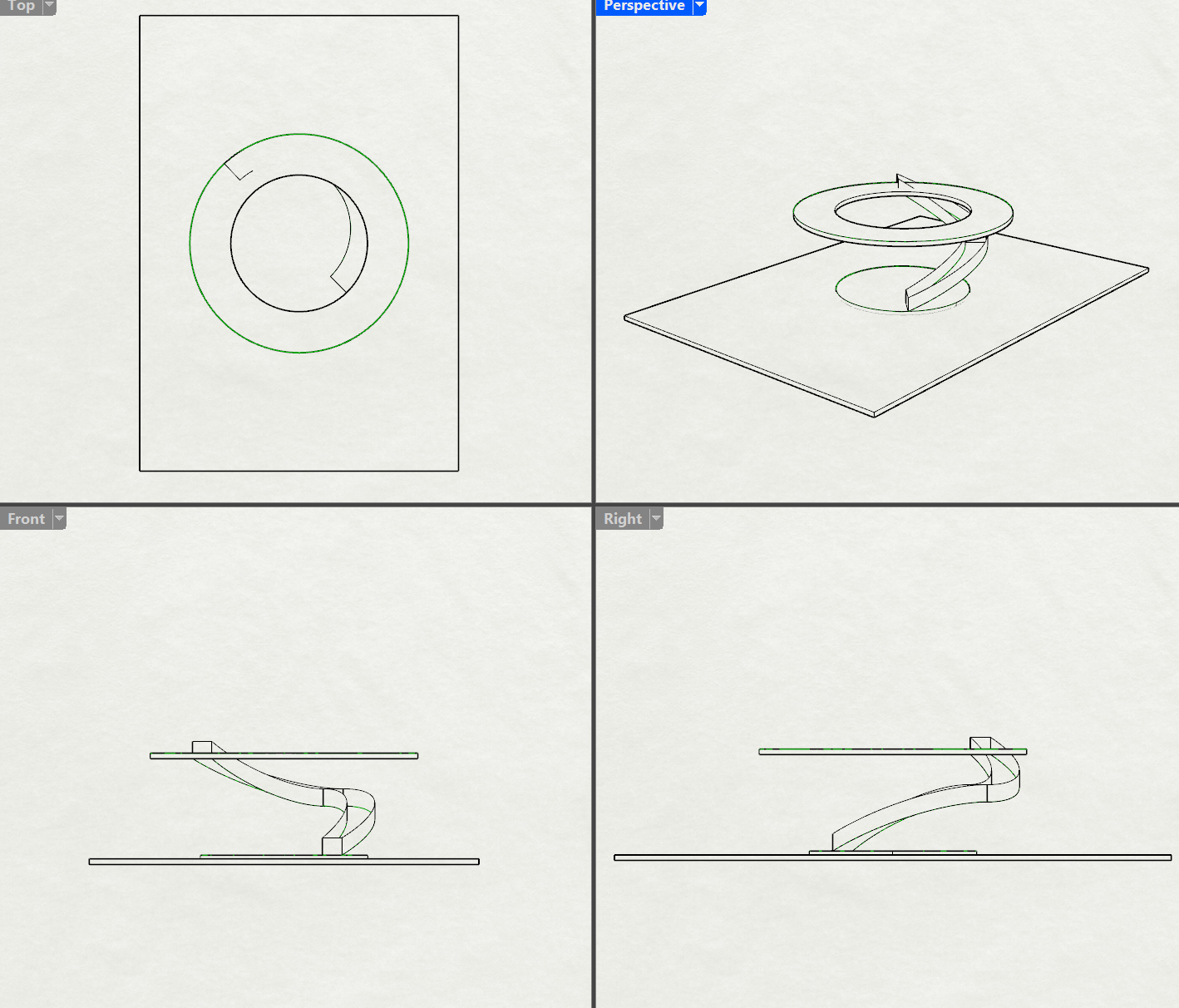
2. Flor Levels & Ramp
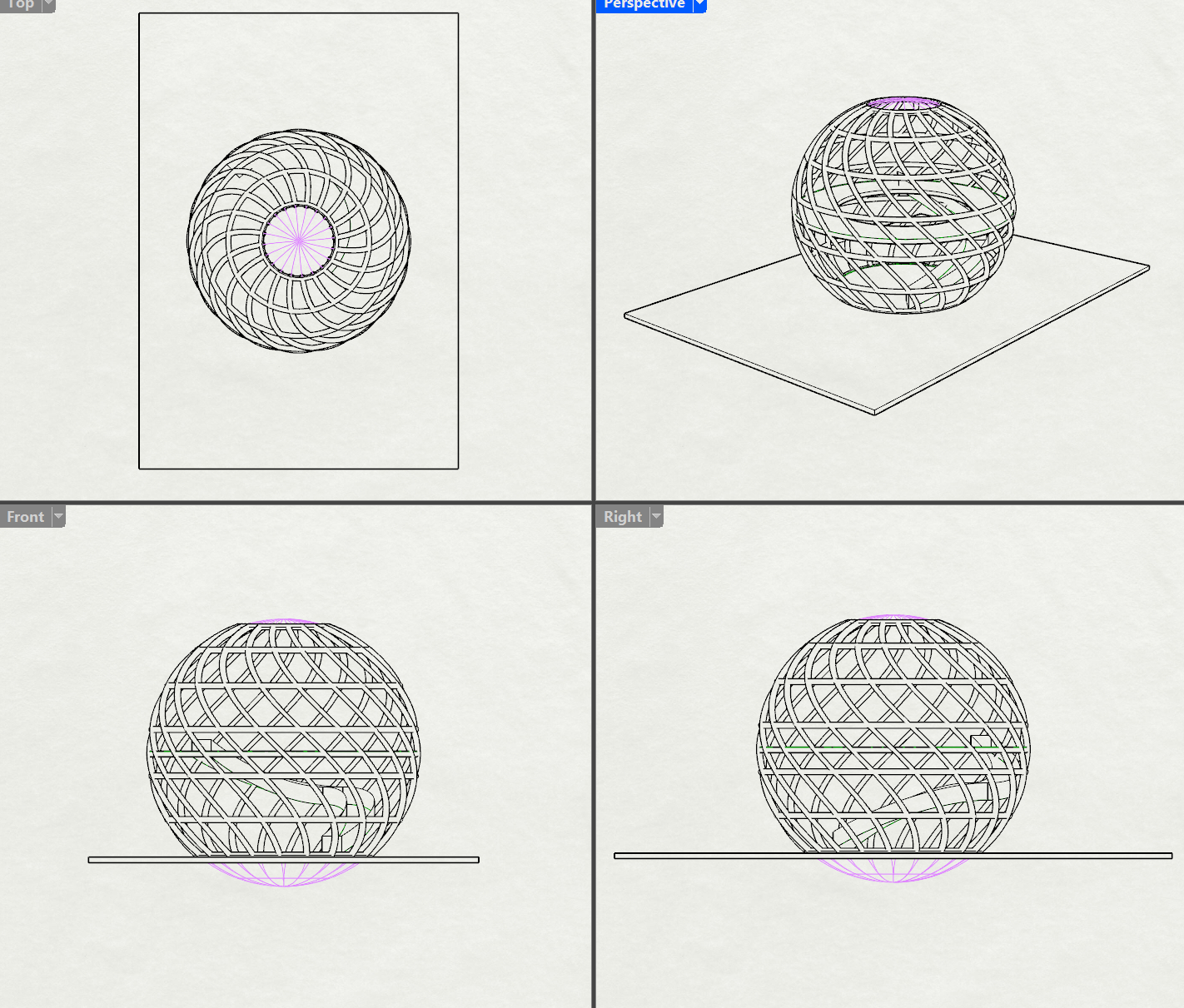
3. Atrium Sphere
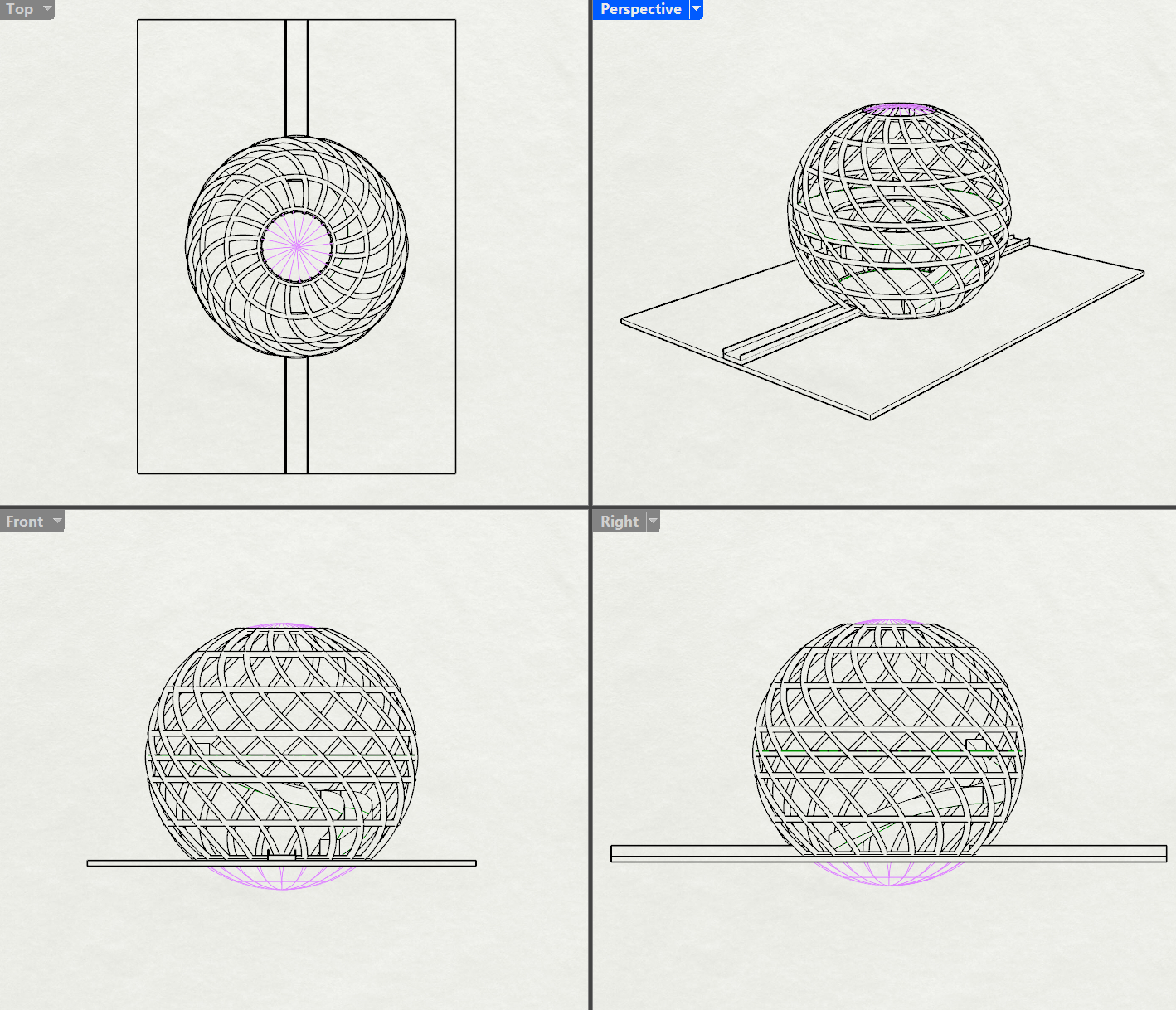
4. Bridge
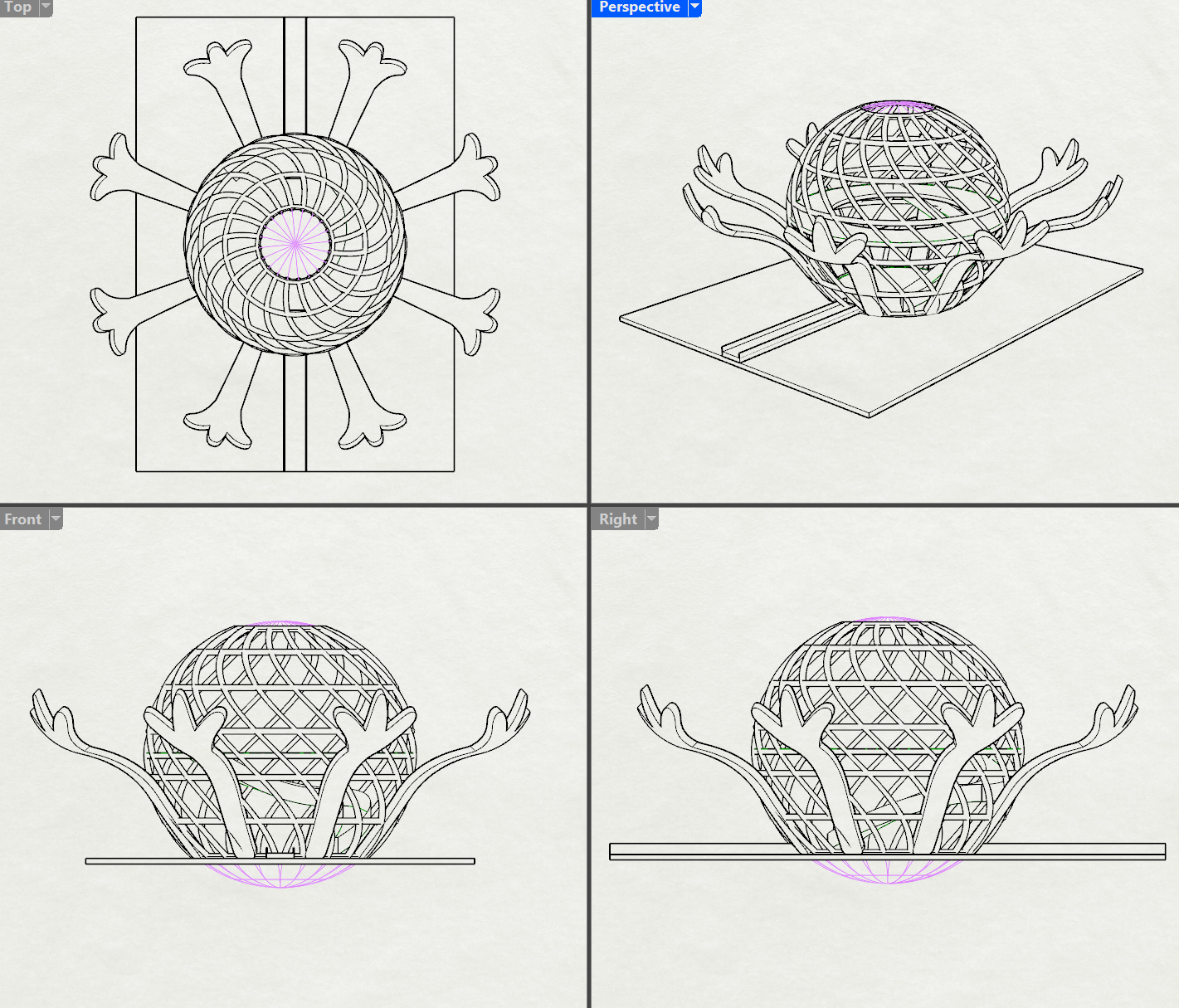
5. Sepals
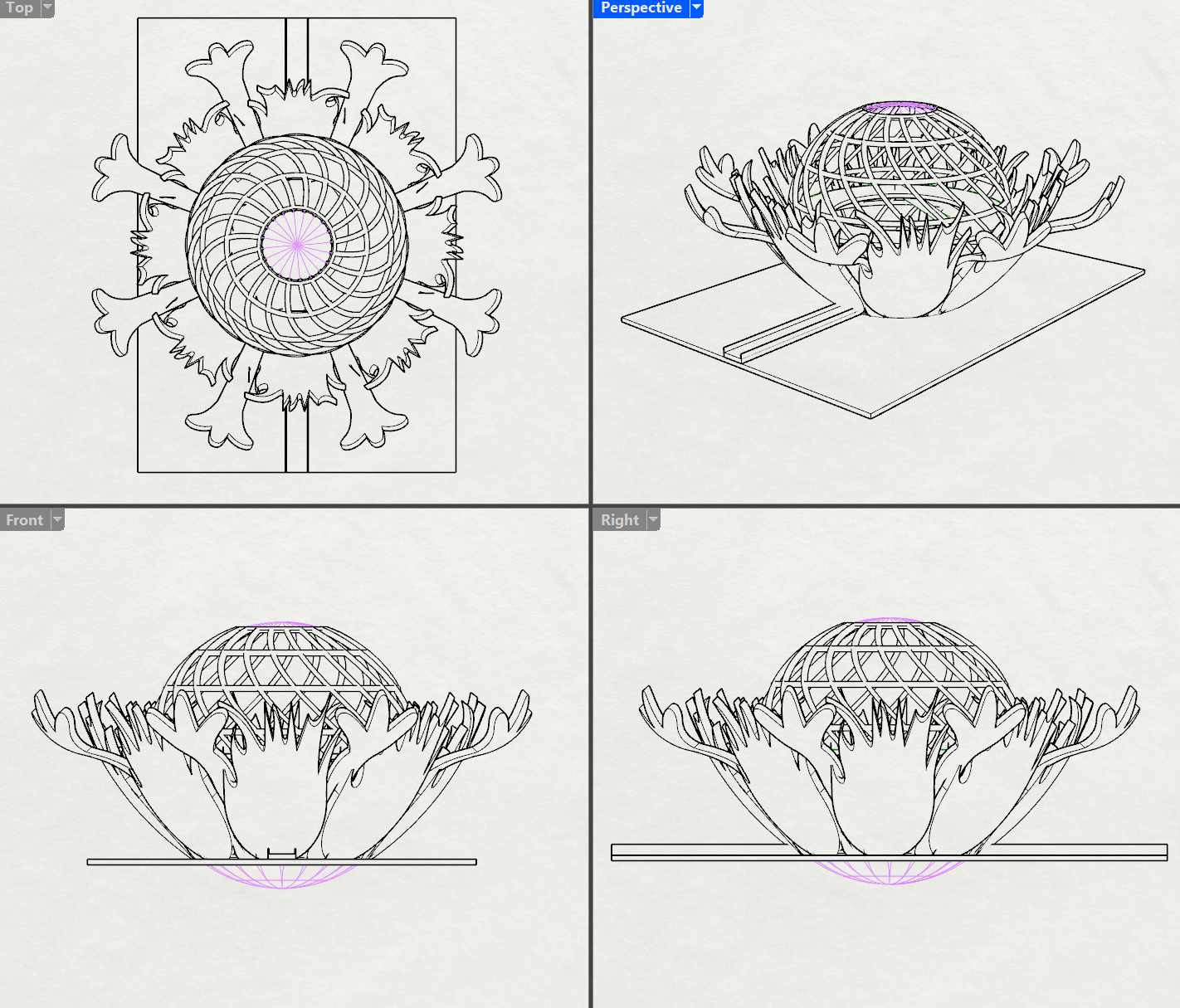
6. Petals
Rendered Sections
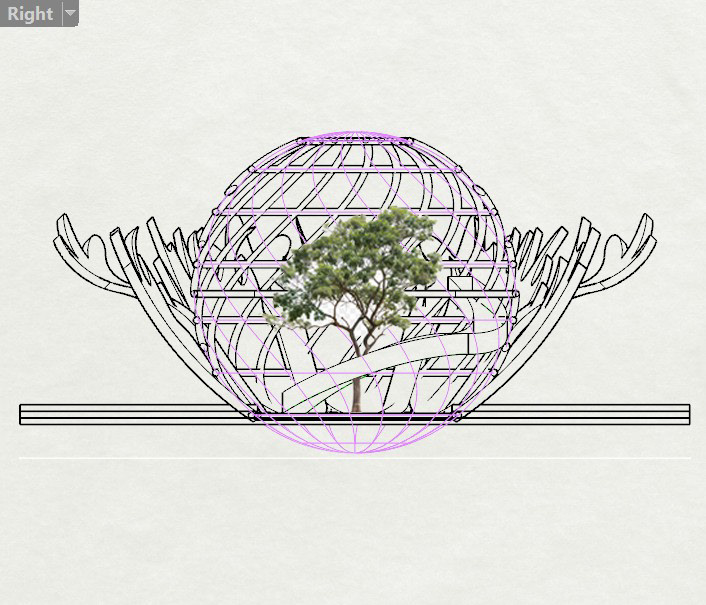
Vertical Section
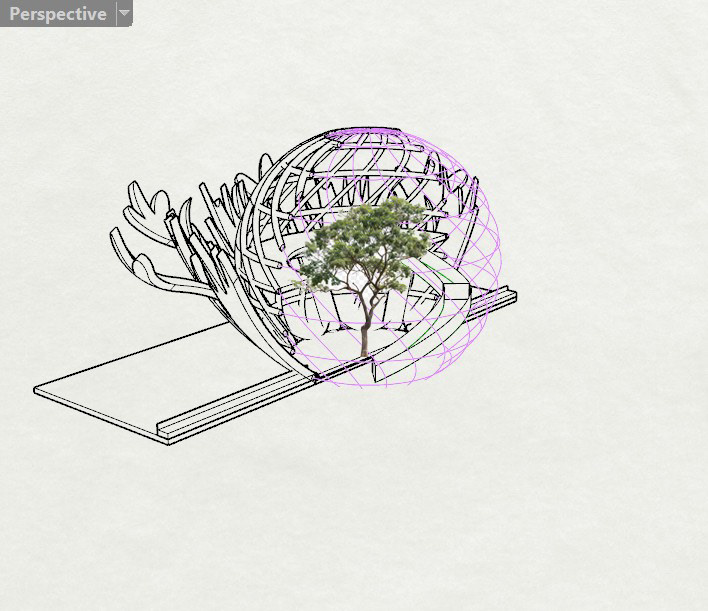
Vertical Section (Perspective)
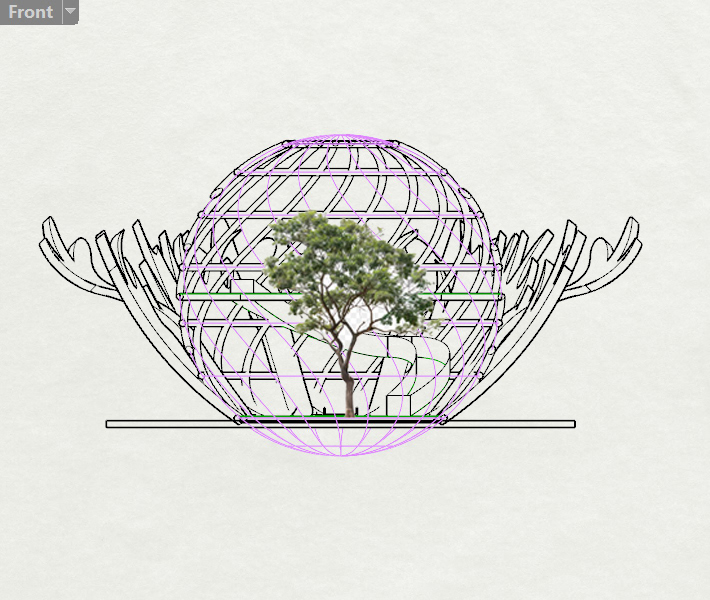
Horizontal Section
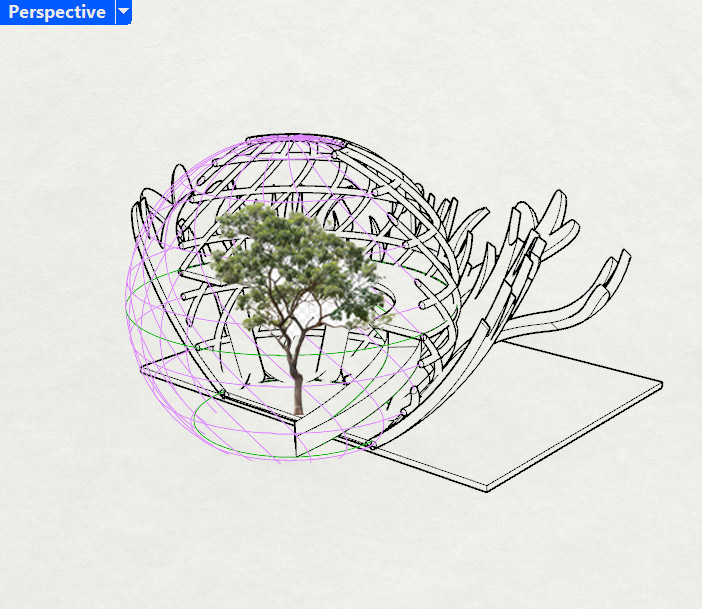
Horizontal Section (Perspective)
Process, Clarity, & Narrative Refinement
This phase was an opportunity to demonstrate the rigor of my design process through exploration, testing, and refinement leading up to this point. My goal was to clarify the narrative, spatial logic, and material relationships that shape the proposal. I documented key iterations in massing, spatial organization, and material responses, highlighting what was tested, what was learned, and how each step informed the next.