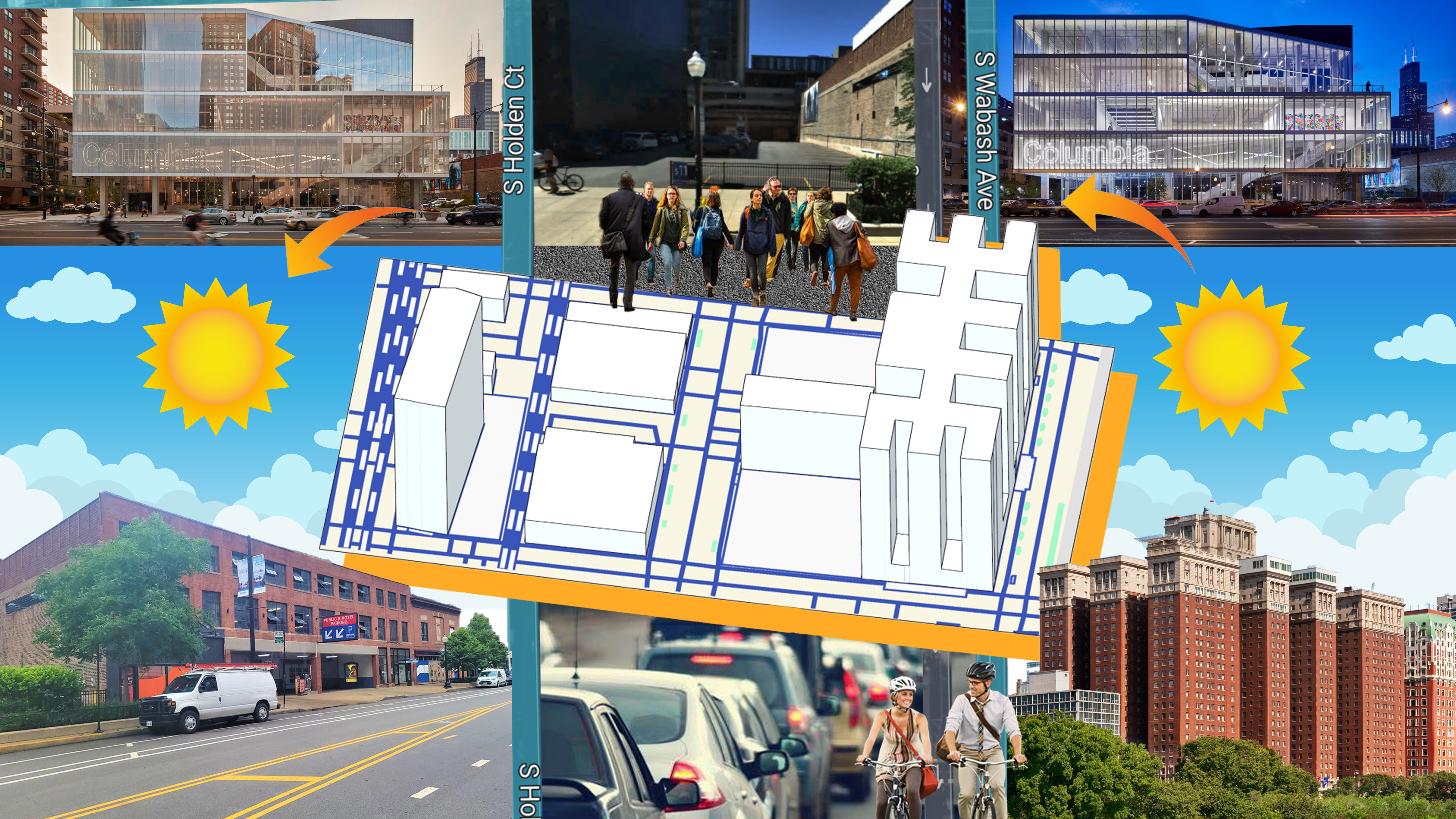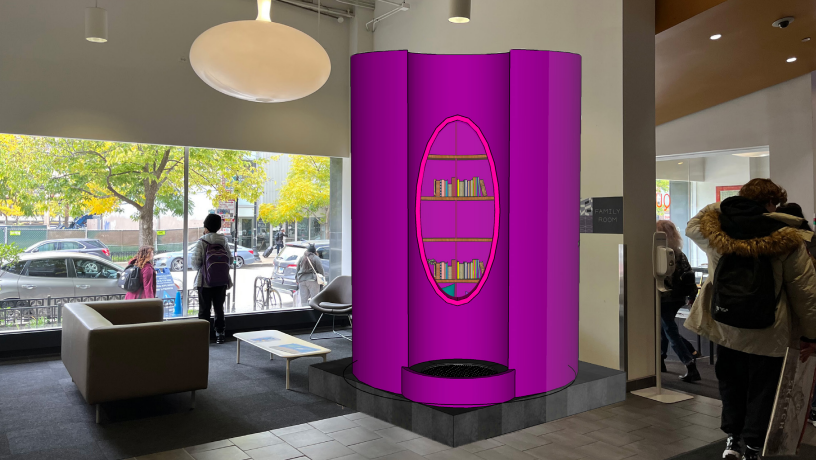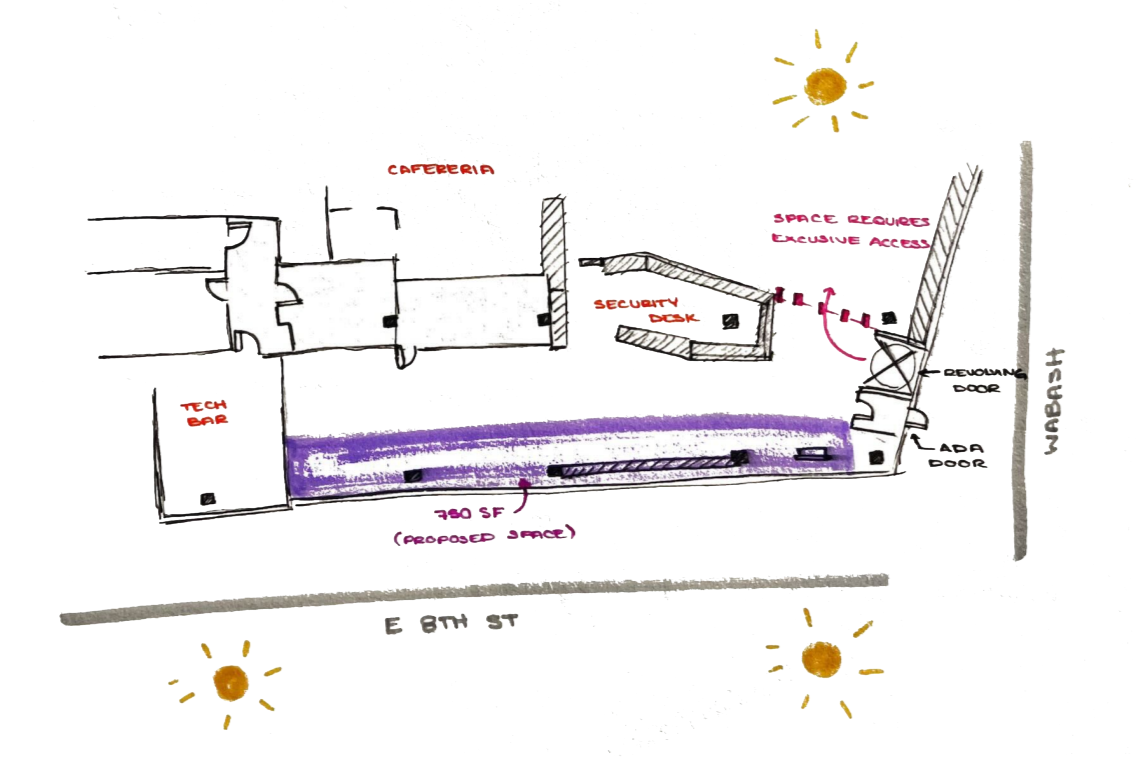
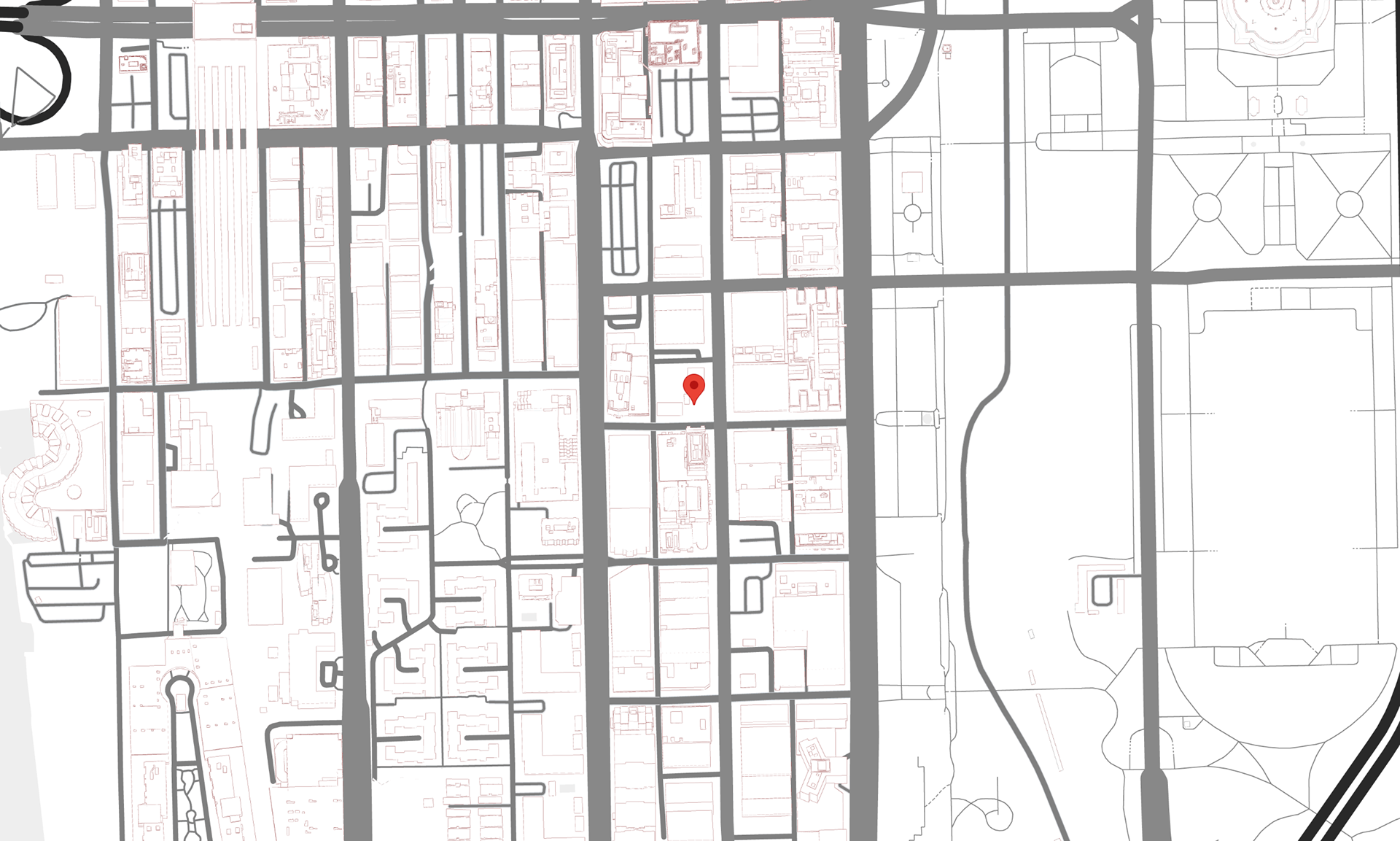
Site Plan Curated by Nancy Garcia-Castillo
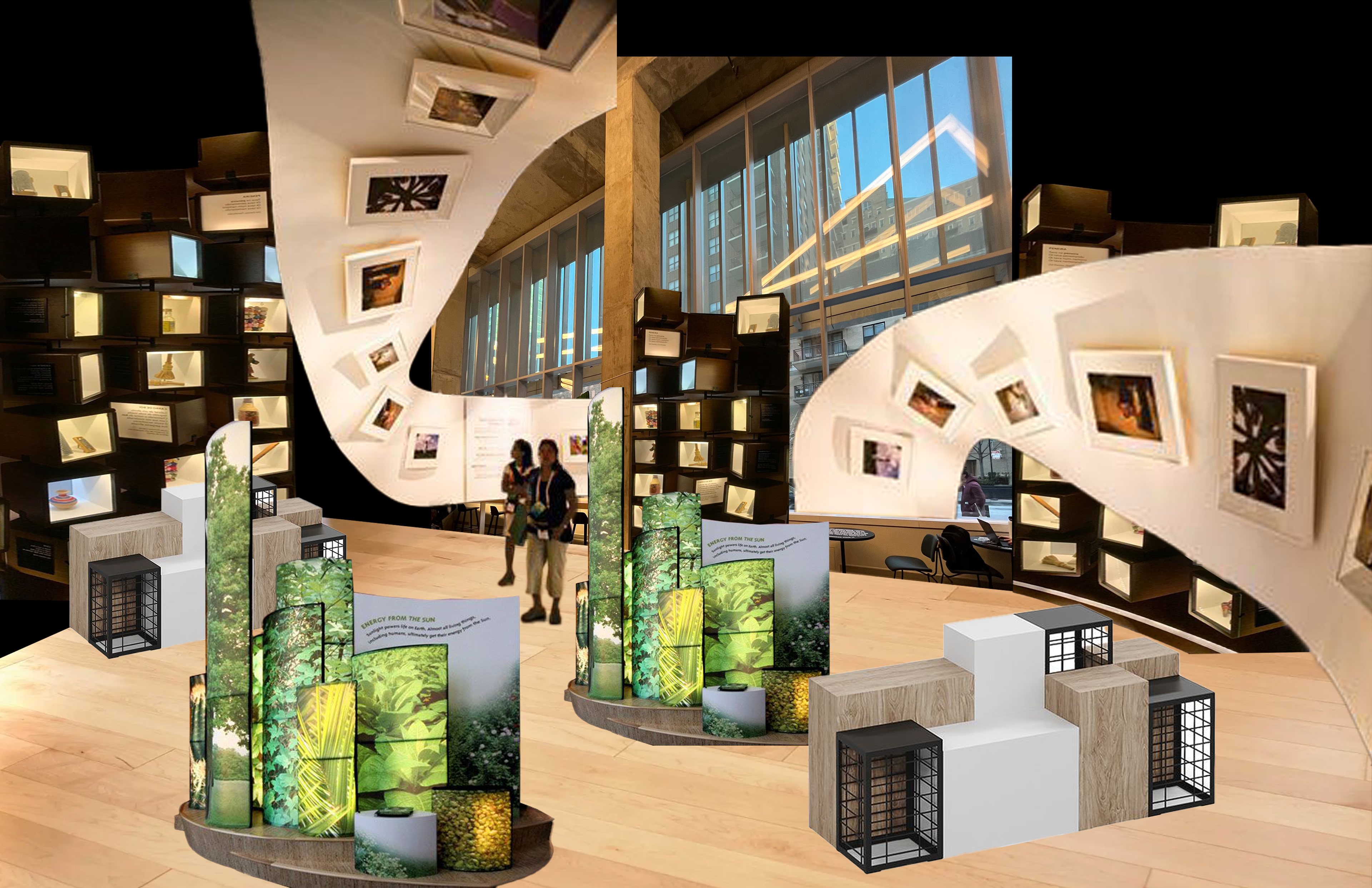
Visual Program Collage
In response to the prompt, our team—comprised of Alia Yousuf and me, classmates in the Interior Architecture Narrative Studio—focused on designing for intergenerational LGBTQ+ communities, a group often facing compounded marginalization and social isolation. Our goal was to create an inclusive, affirming, and adaptable environment that fosters mutual support, mentorship, and understanding between LGBTQ+ youth and elders.
Located at 754 South Wabash, our design emphasizes accessibility, safety, and connection through clear sight lines, flexible gathering spaces, and activity zones that celebrate queer identity and culture. The space reflects the diversity, history, and future of LGBTQ+ individuals across generations, strongly focusing on resilience and community.
Following extensive research, including user needs, barriers, and case studies, we conducted a site analysis to address physical, cultural, and social factors. This process informed a conceptual collage representing our design intent and programmatic vision.
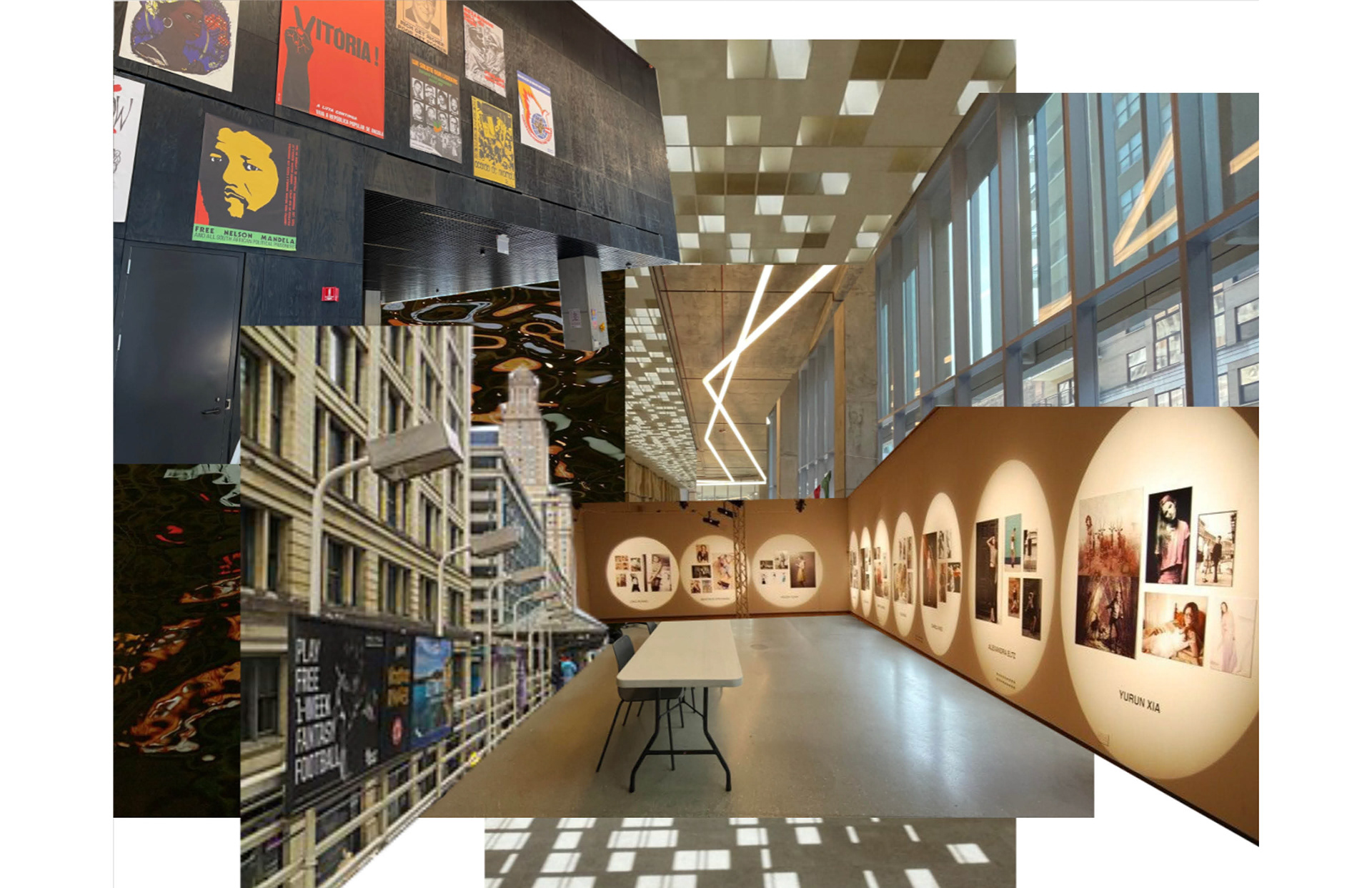
Curated by Nancy Garcia-Casillo & Alia Yousuf
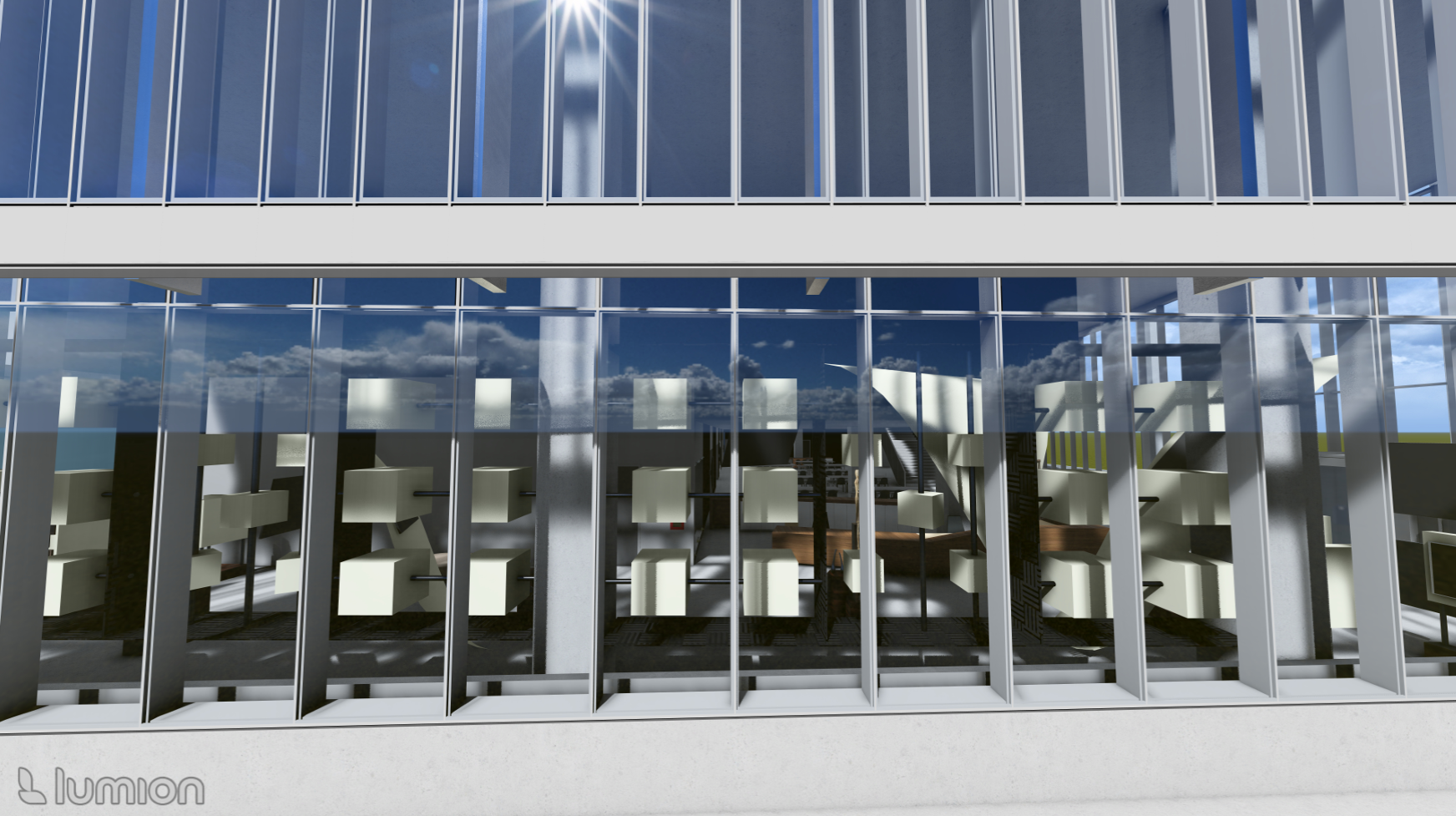
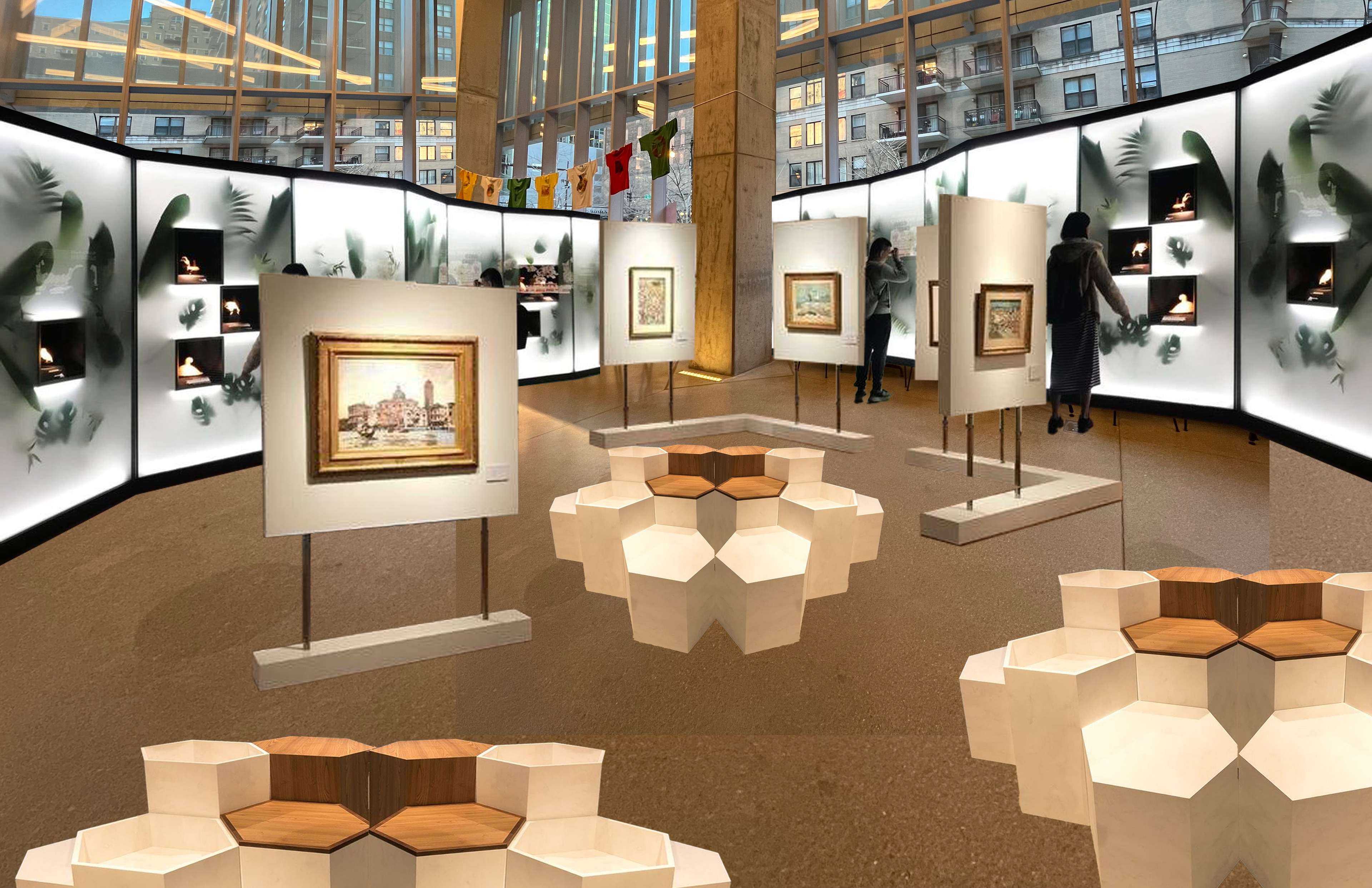
The collage captures the spirit of intergenerational connection by blending interior student center elements with exterior visuals, promoting a sense of belonging. Site elements are echoed through features like floor-to-ceiling windows, abstract LED lighting, and an art wall. Downtown Chicago is integrated into the design through imagery of nearby train stations and apartment buildings.
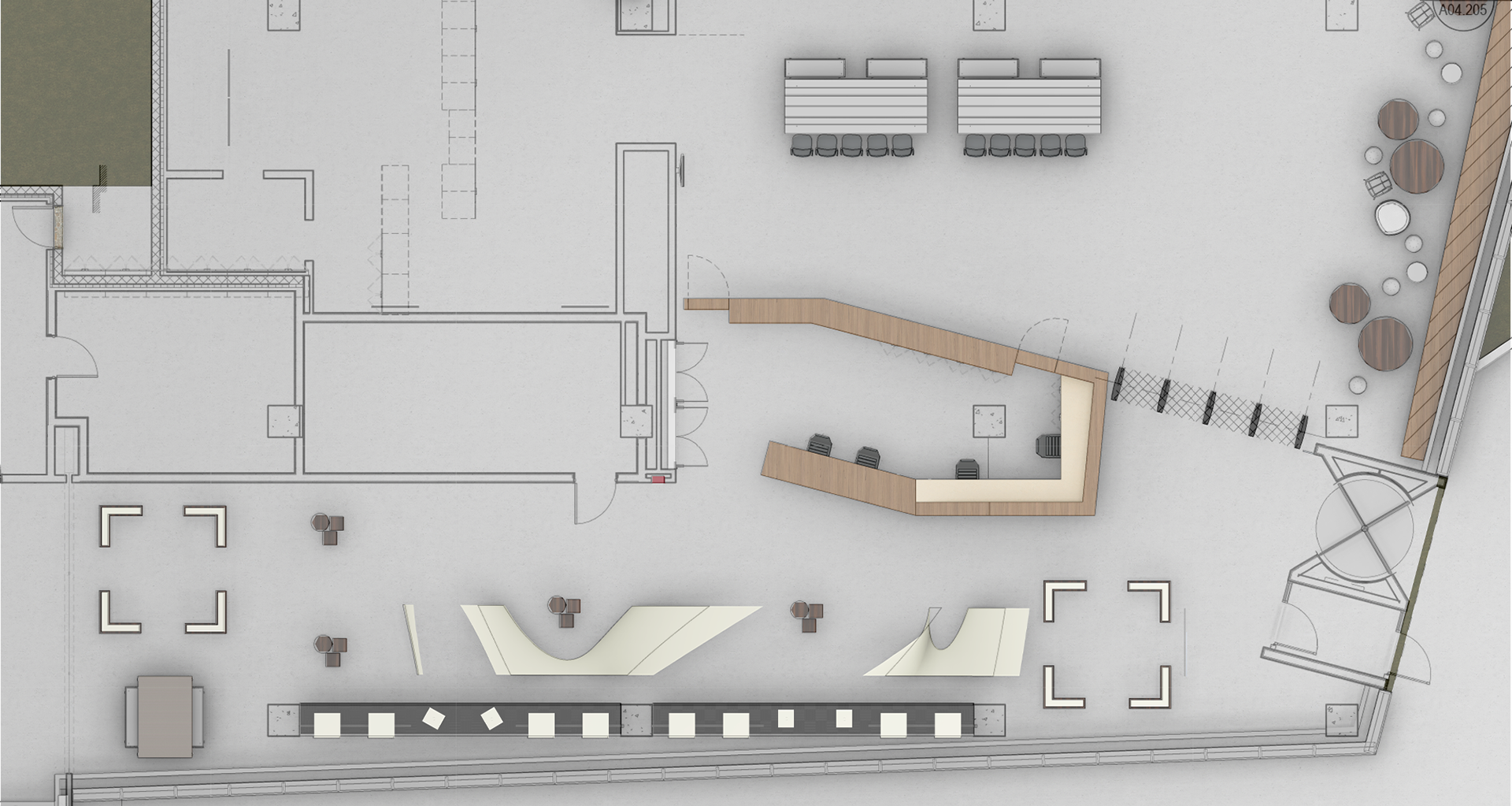
At the heart of the proposed 750 SF area is a gallery space—an essential element that uplifts and centers LGBTQ+ voices. Galleries provide a formal platform for artists to showcase their work, and in this context, offer visibility, representation, and community support. This space allows individuals to express their identities freely and safely, without fear of discrimination, while fostering engagement between generations and the broader public.
Concept and Storytelling + Diagramming
Drawing from our research and initial abstraction exercises, I identified three key words—harmony, inclusivity, and reciprocity—to guide the emotional tone, spatial function, and user experience of our proposed community space. These words served as the foundation for a single-frame storyboard illustrating a meaningful user interaction within the space. Building on this, I developed a quick concept map that linked these emotional themes with the programmatic and experiential goals of the design. This mapping process helped shape the conceptual narrative for the space. To further visualize and refine the design approach, I created a set of three diagrams focusing on: 1) interior and exterior spatial relationships, 2) program organization and circulation, and 3) the emotional and spatial narrative.
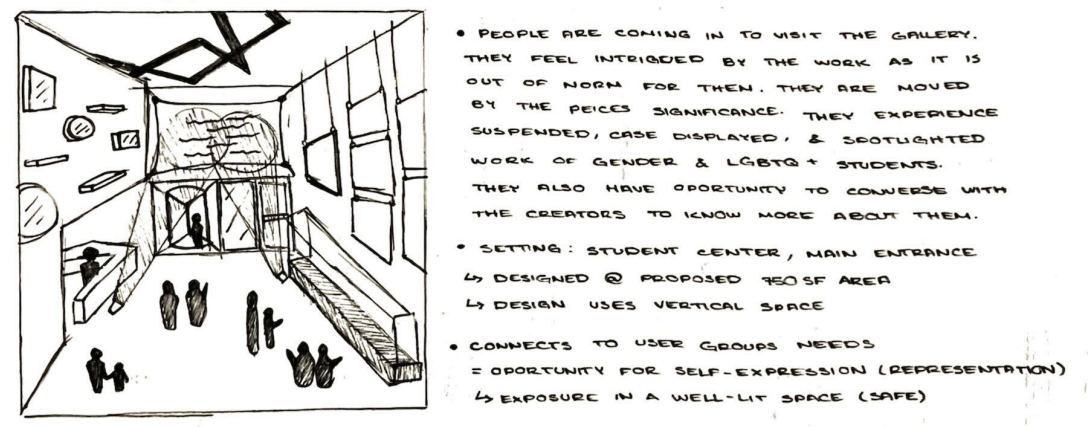
SKETCHING IDEAS: "CREATING IN A FRAME"
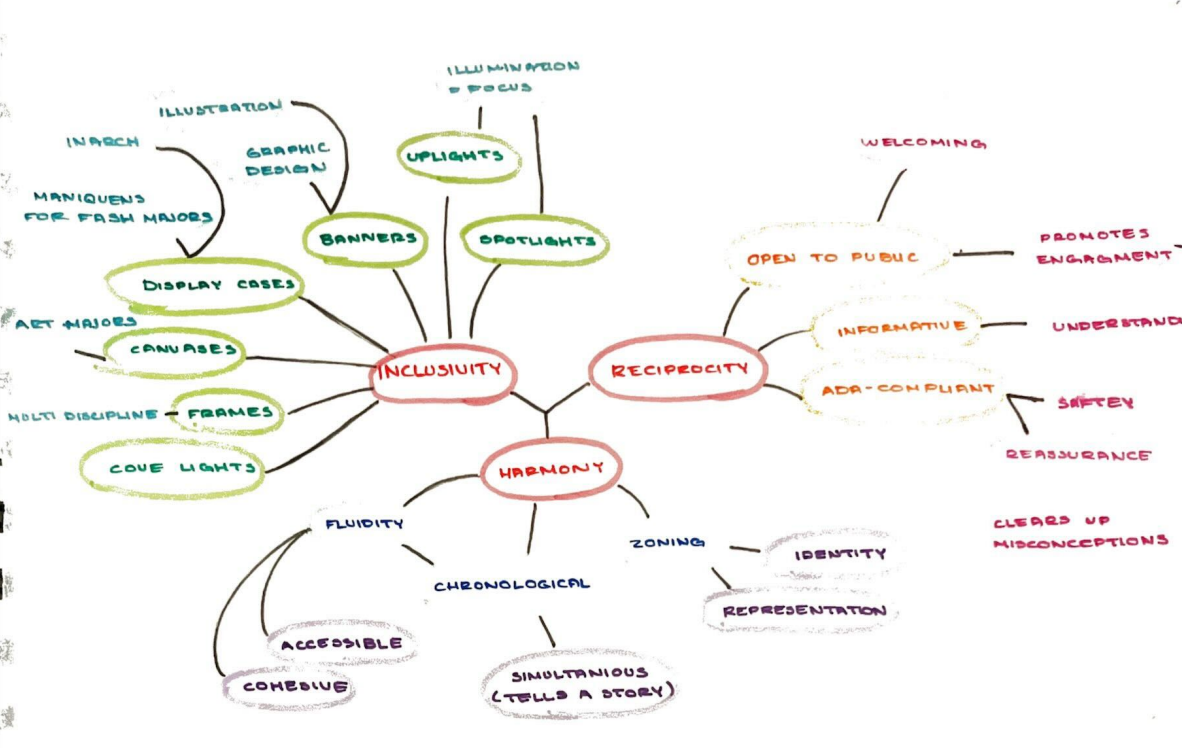
CONCEPT MAPPING: "FROM IDEA TO EXPERIENCE"
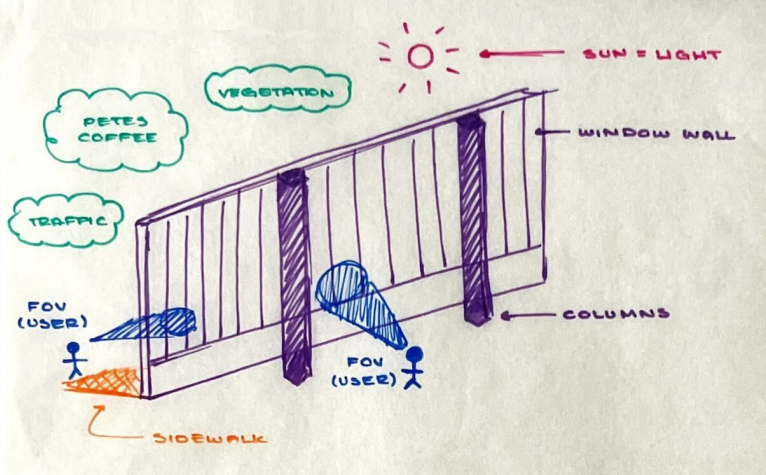
Diagram 1: Interior/Exterior Spatial Relationships
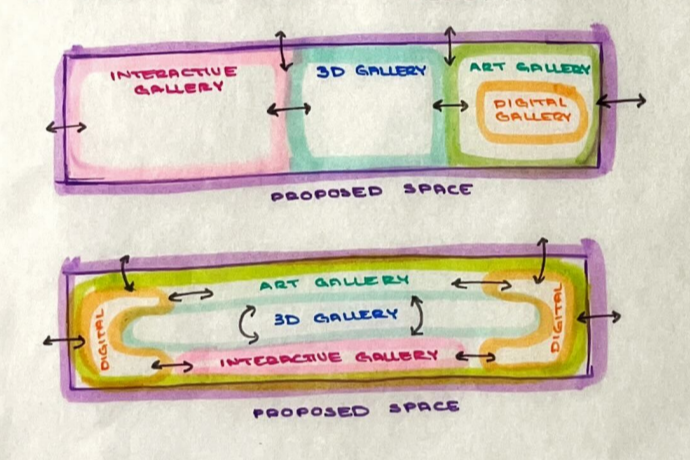
Diagram 2: Program Organization & Circulation
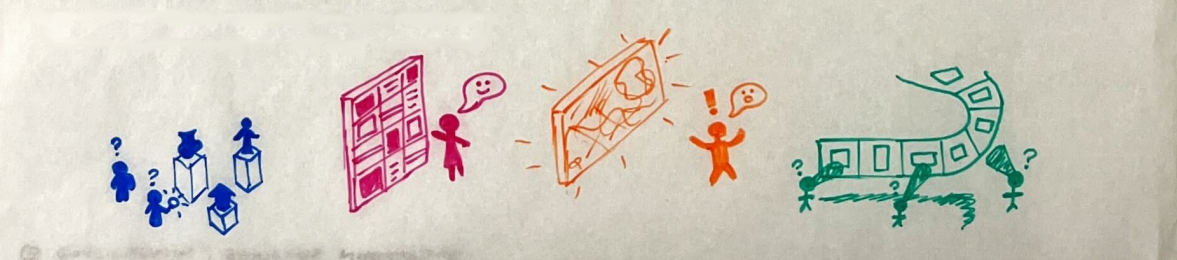
Diagram 3: Emotional and Spatial Narrative
Schematic Design and Conceptual Exploration
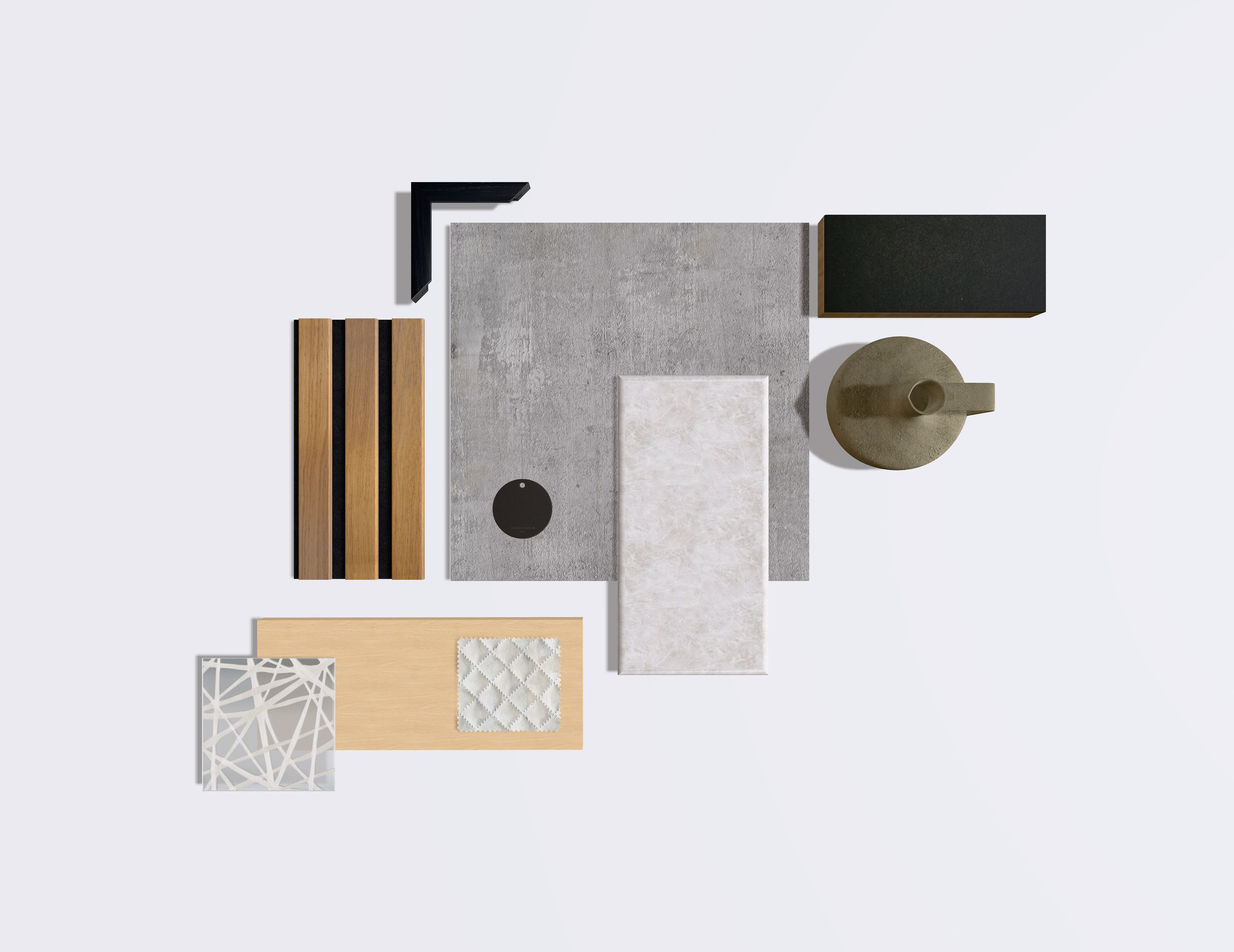
Building on our visual program, I developed 3 preliminary plan iterations considering circulation, zoning, accessibility, and flexibility. I included annotations to highlight spatial intent and experiential qualities. Similarly, I created 3 annotated massing studies illustrating Volume and spatial hierarchy; Thresholds, movement, and adjacencies; and Indoor-outdoor relationships in response to each plan. I selected two of these studies (2 & 3) to develop conceptual diagrams addressing key design drivers. Lastly, I digitally curated a preliminary material palette aligned with my program and emotional goals.
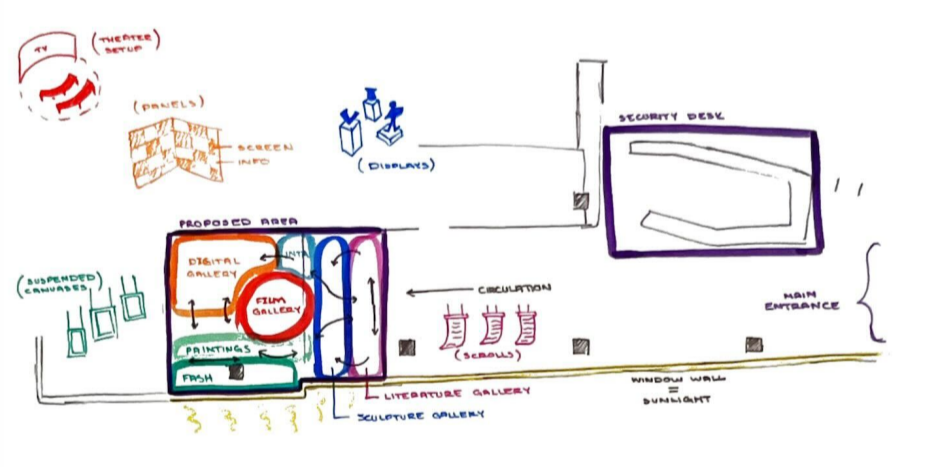
Schematic Plan 1
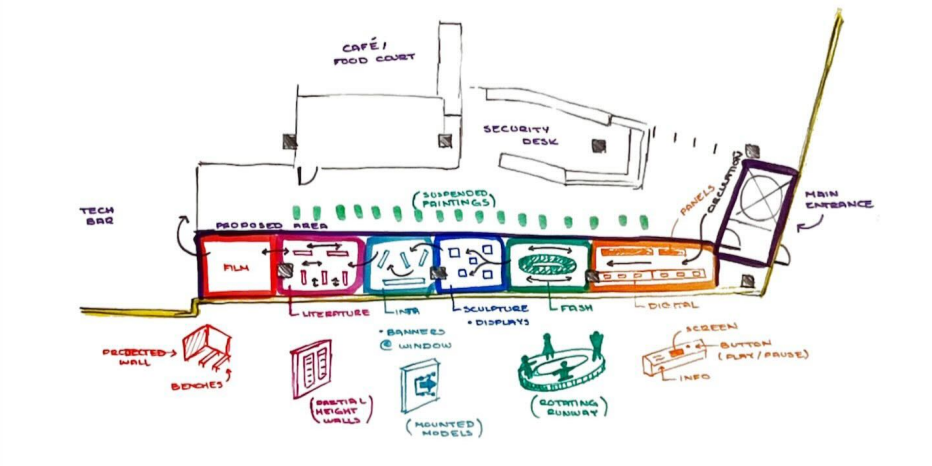
Schematic Plan 2
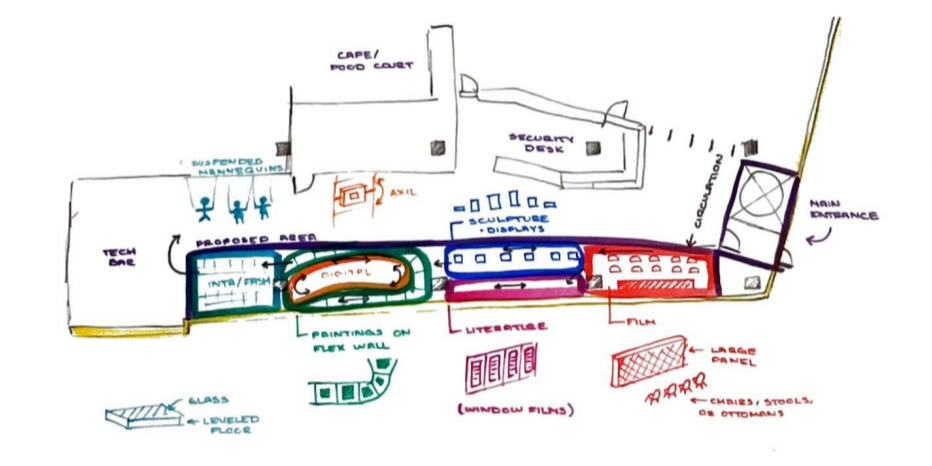
Schematic Plan 3
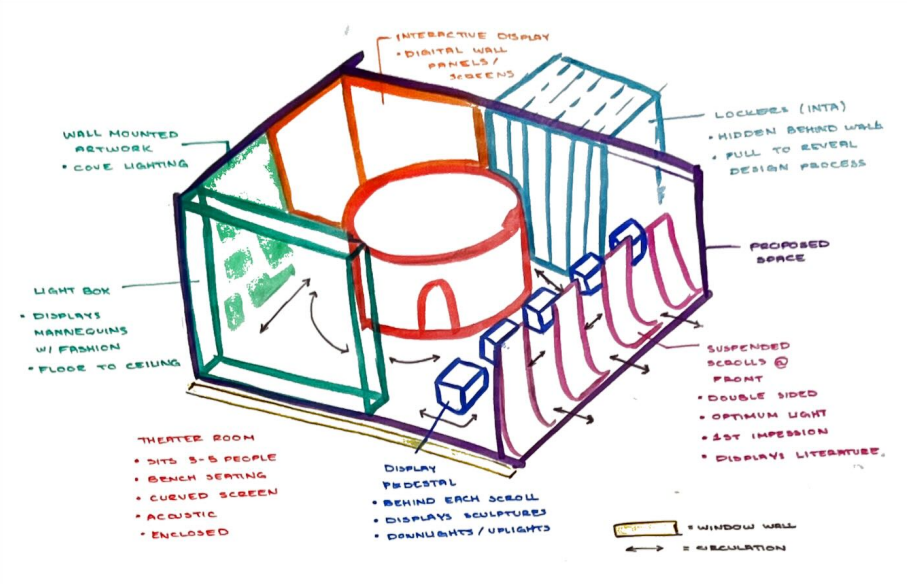
Axonometric Study 1
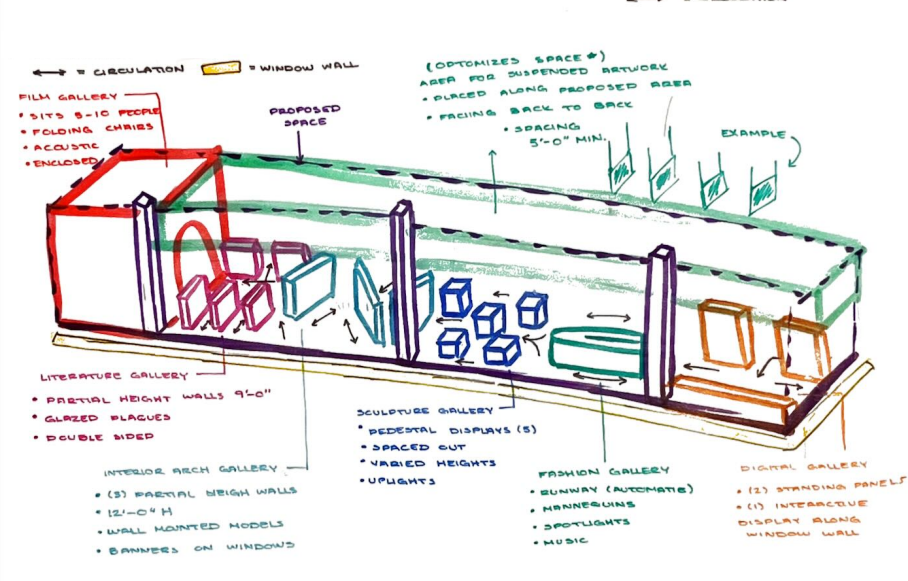
Axonometric Study 2
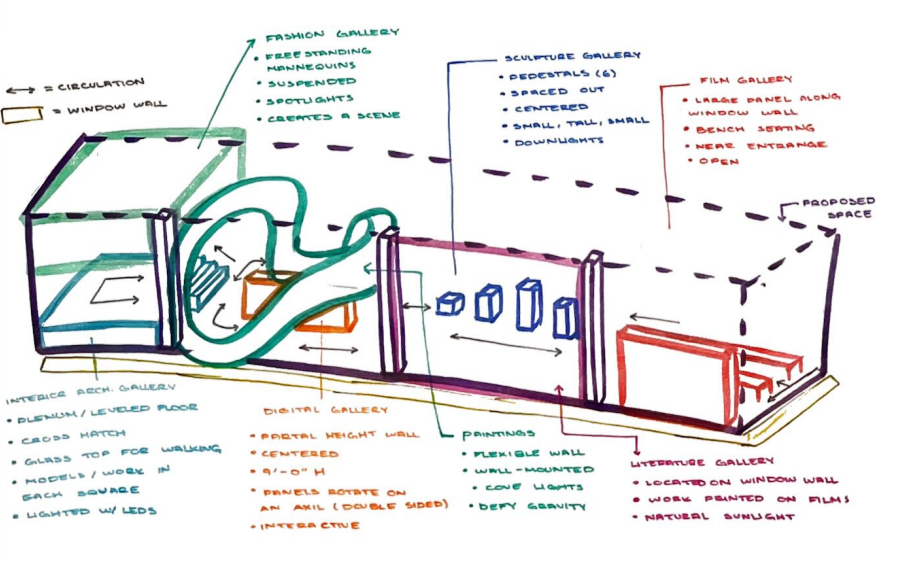
Axonometric Study 3
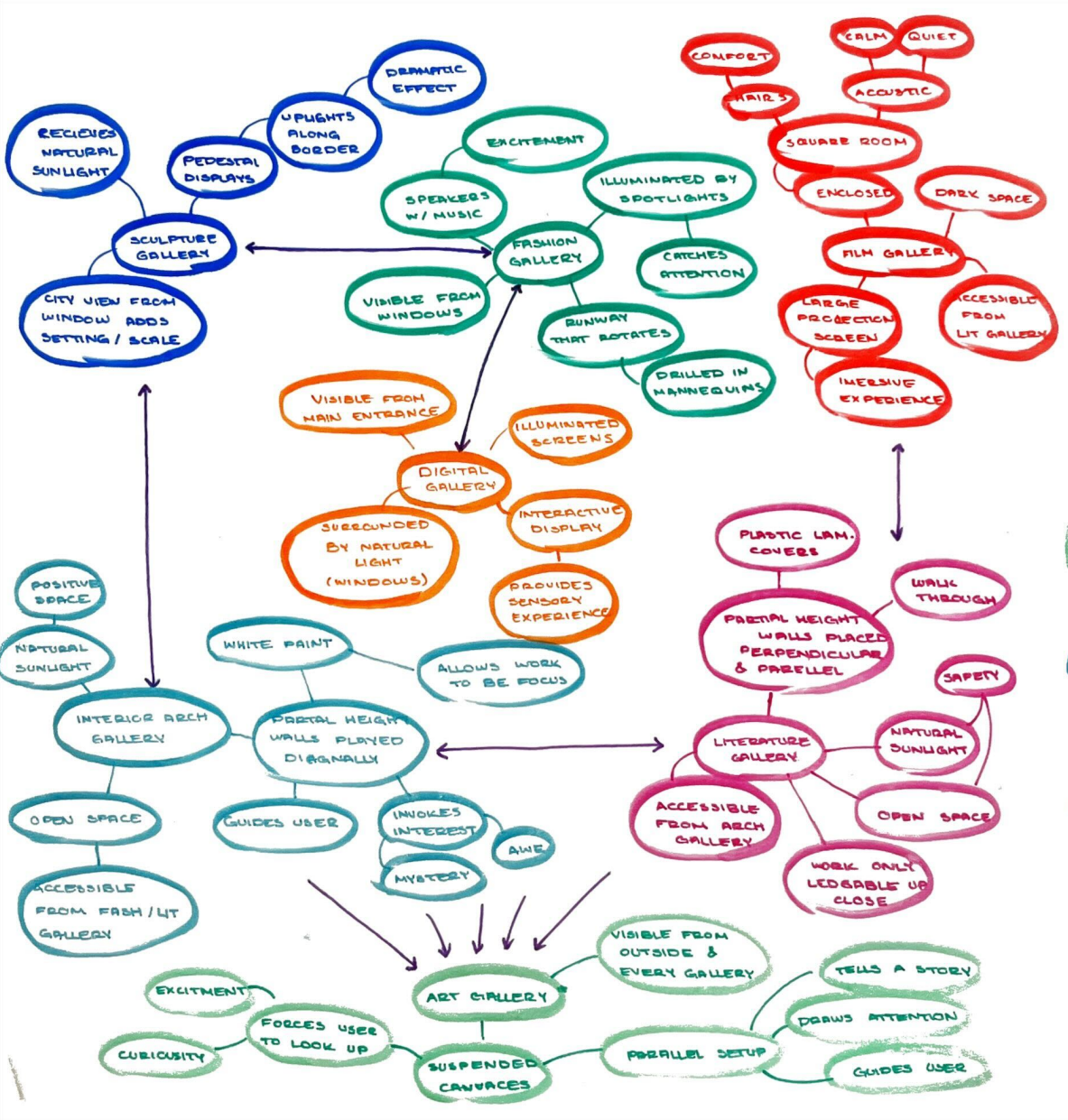
Conceptual Diagram 1
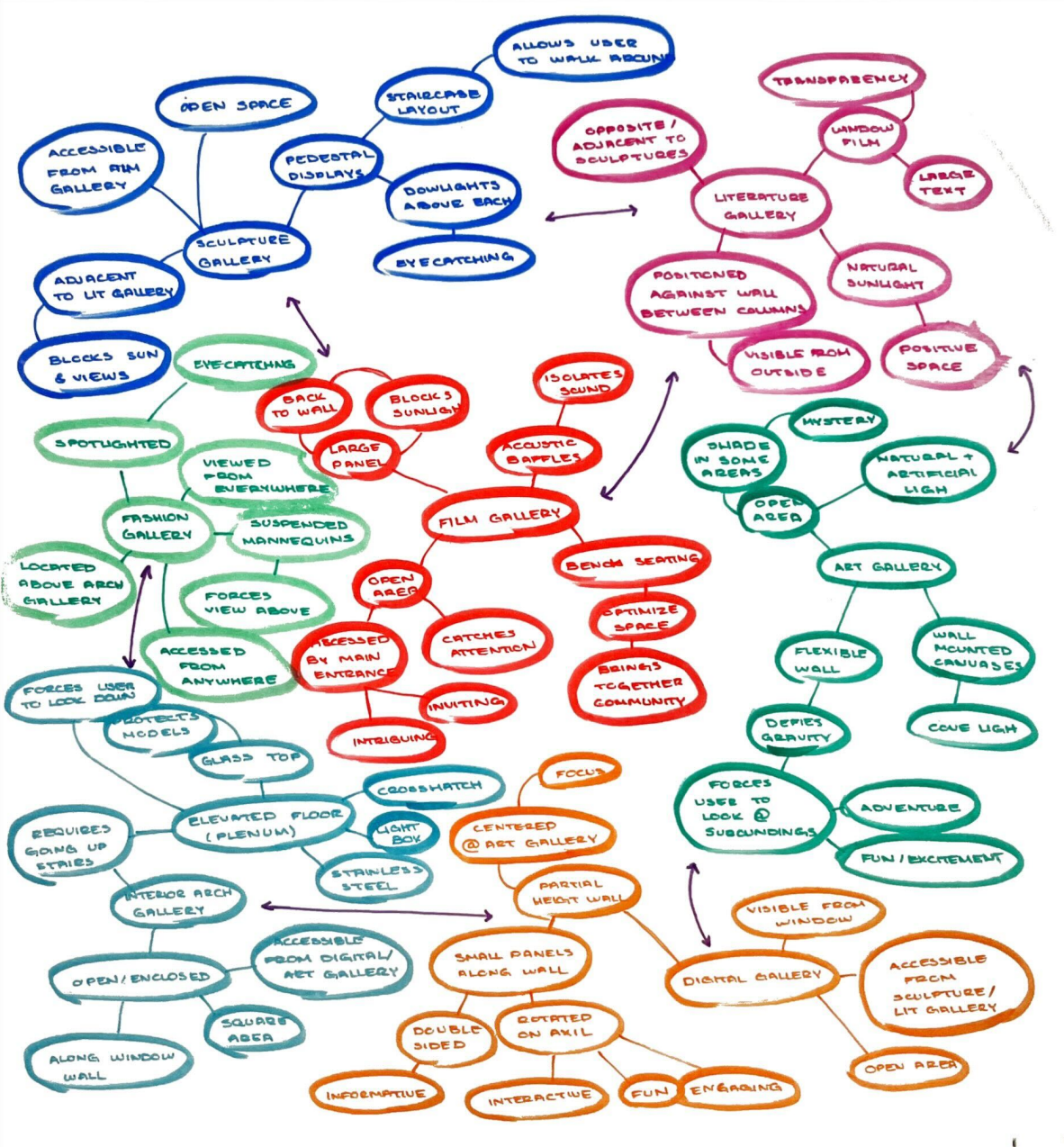
Conceptual Diagram 2
Material Palette
These materials were carefully selected for their durability and aesthetic appeal, serving to highlight and complement the artwork displayed in the gallery. The slat panel was selected for its acoustic qualities and natural resemblance, while the lightwood floorboard adds organic texture and warmth. The glass, ideal for contemporary installations, is valued for its transparency and interaction with light, while the white quilted suede enhances the gallery setting with texture and movement. The marble tile and metal disk are chosen for their durability and ability to create modern and glossy displays. Accessories like the black oak frame and beige pottery contribute to a contemporary, industrial aesthetic, introducing unique textures and shadows to the palette. Lastly, the exposed concrete slab and linoleum block reinforce the industrial style without detracting from the primary focus—the artwork.
Bringing the narrative to life
Building on my previous schematic development, I refined my floor plans by continuing to hand sketching the proposed space. I focused on line weights, hierarchy, and labeling for clarity and intent. Similarly, I developed an axonometric drawing, color coordinating, and using selective notations. I went with a hybrid approach this time, cropping and digitally annotating the axonometric sketch. Using Adobe Photoshop, I created 3 conceptual diagrams to portray my design intent at a glance. Lastly, I finalized my material palette to align with our narrative and spatial experience.
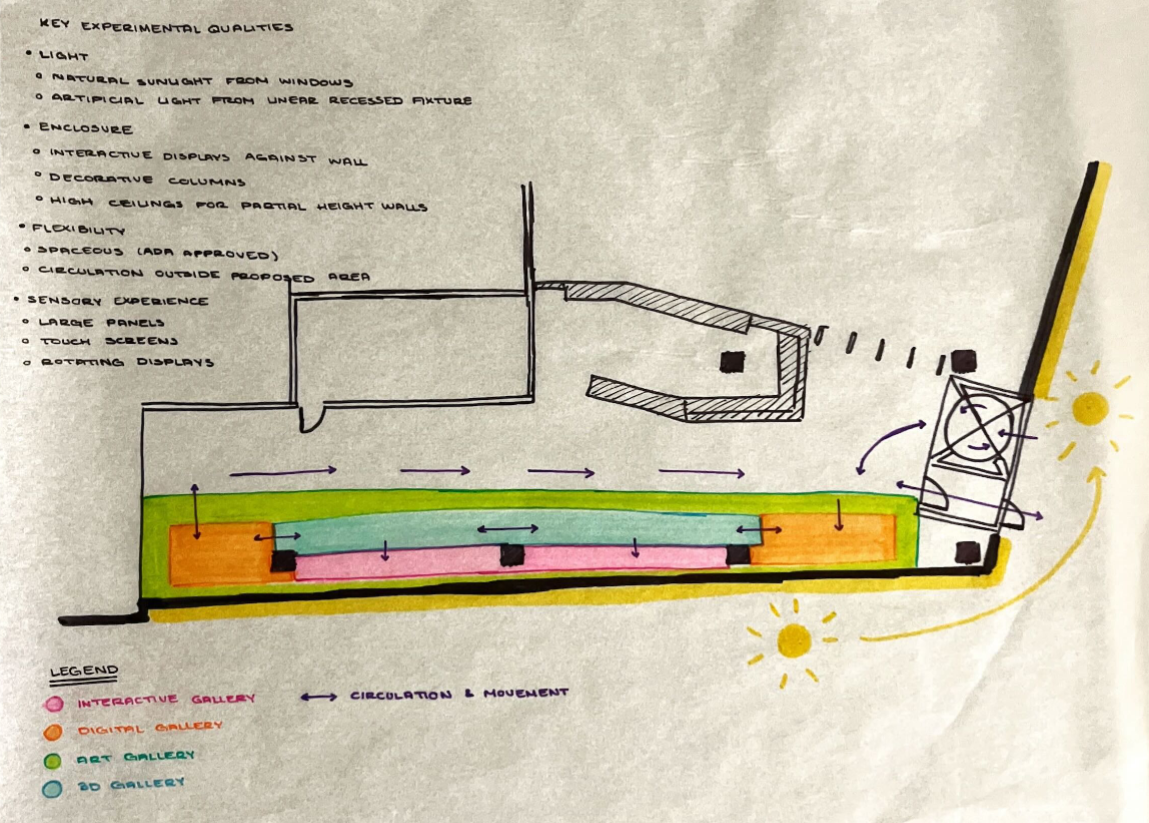
Schematic Plan
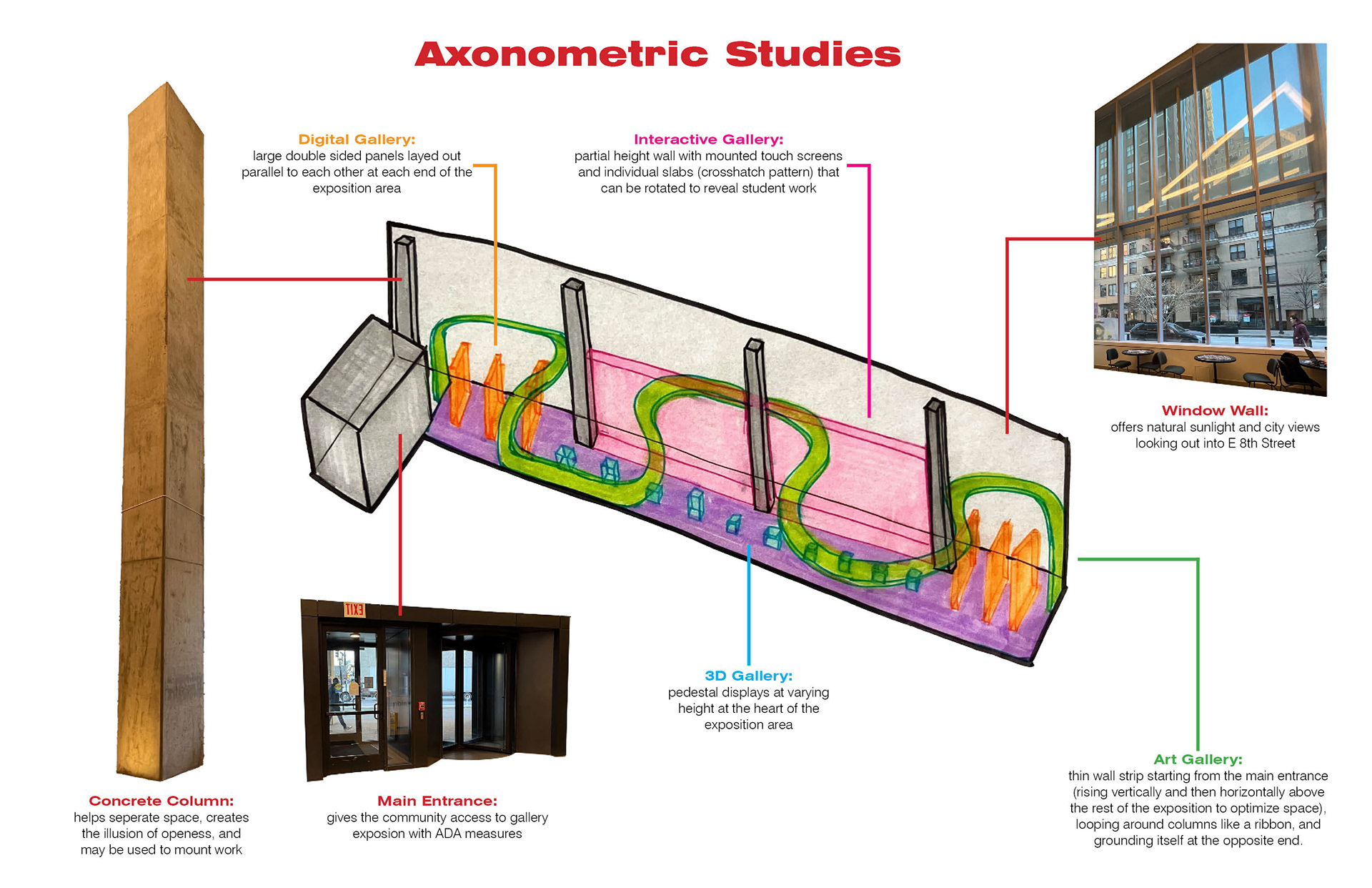
Axonometric Studies
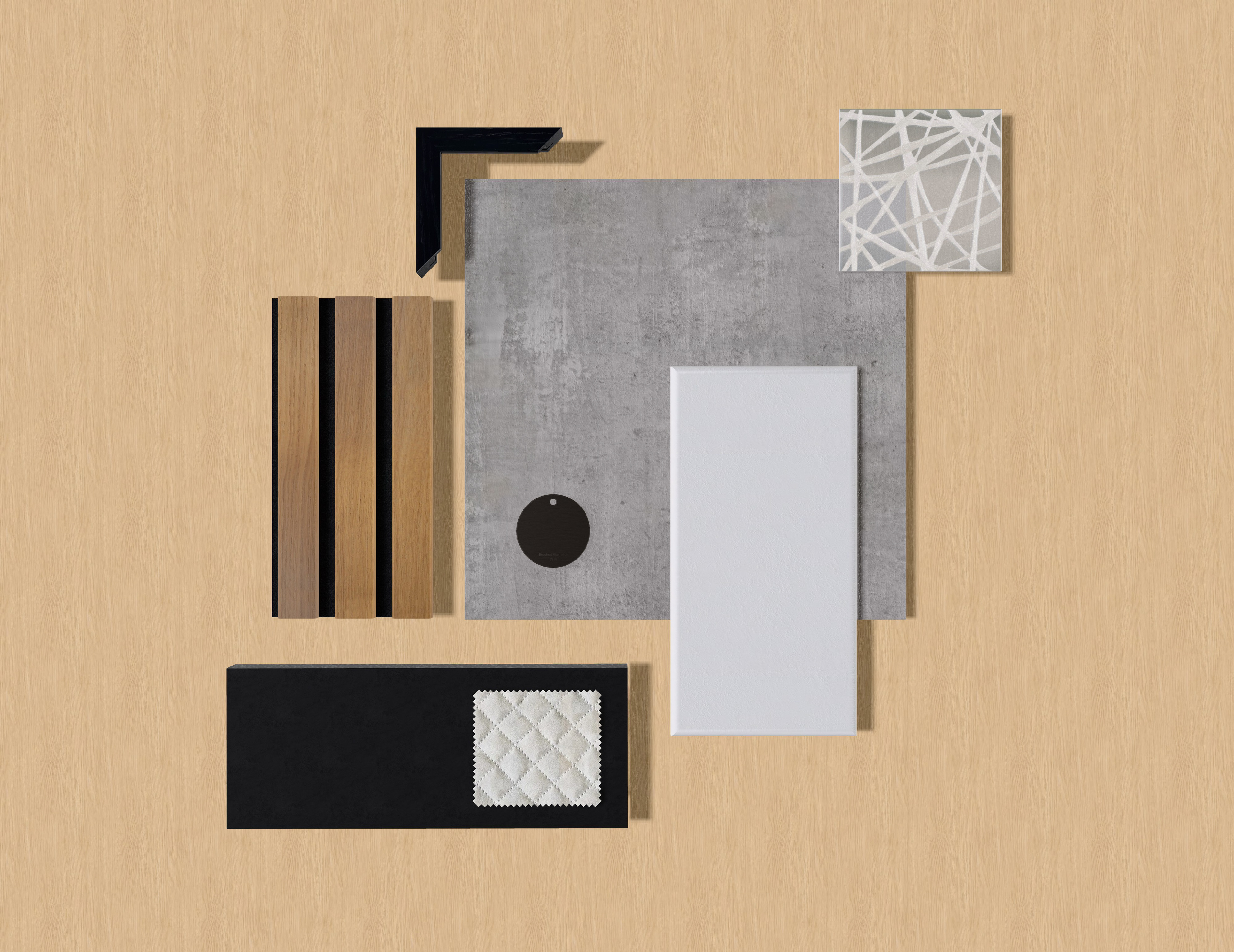
Refined Material Palette
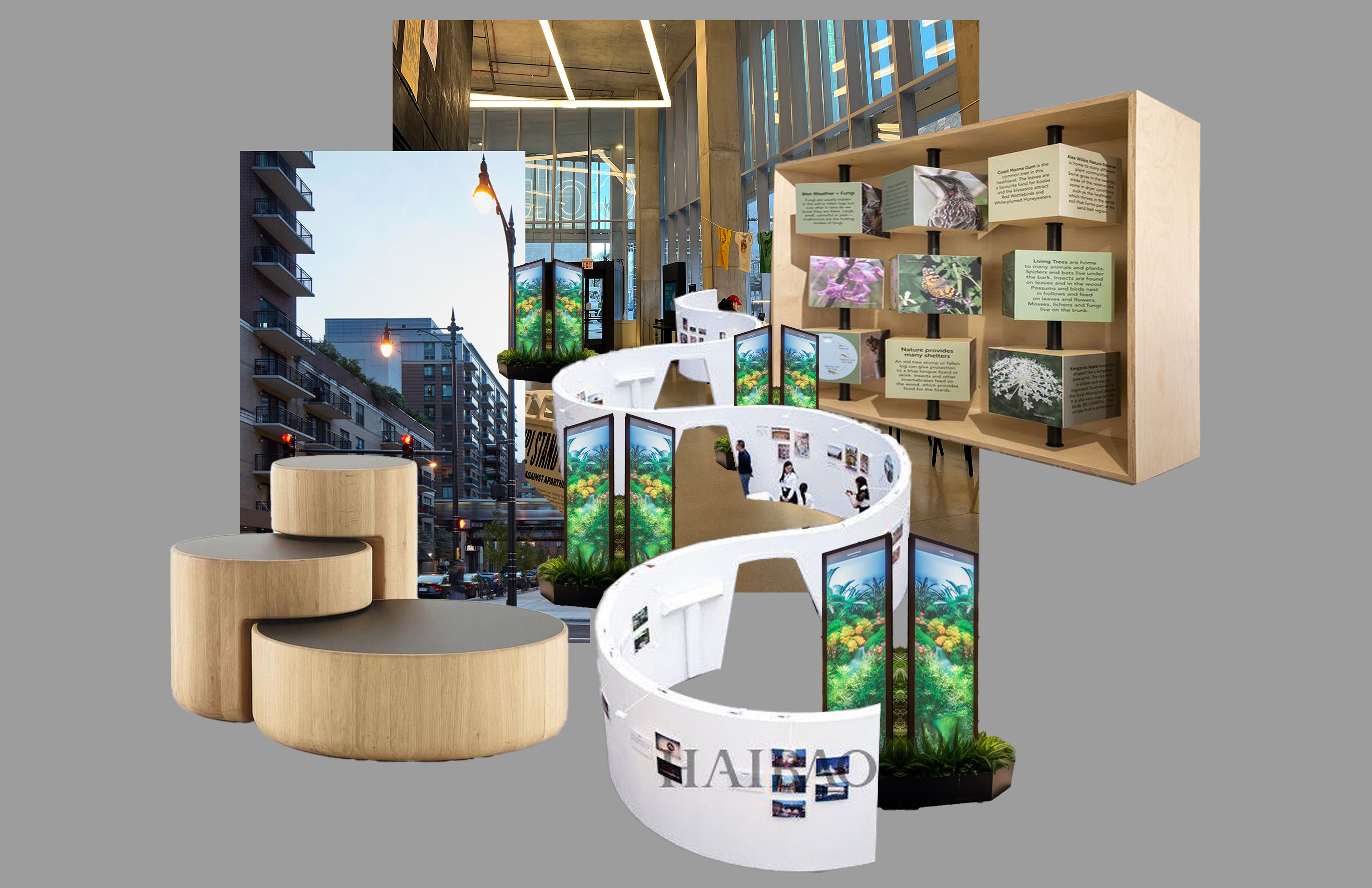
Conceptual Diagram 1
Conceptual Diagram 2
Conceptual Diagram 3
Final Submission
After finalizing our core design decisions, spatial organization, user experience, key materials, lighting, and sensory elements, Alia and I developed an immersive art gallery called Unwound. Through proper teamwork and communication, we curated digital drawings, axons, and diagrams to begin drafting our digital competition board. Alia took on 3D modeling in SketchUp, rendering views in Lumion, while I focused on refining our research and site analysis, and polishing our board layout, notations, and composition.
Architectural representation
Site Plan
Rendered Floor Plan
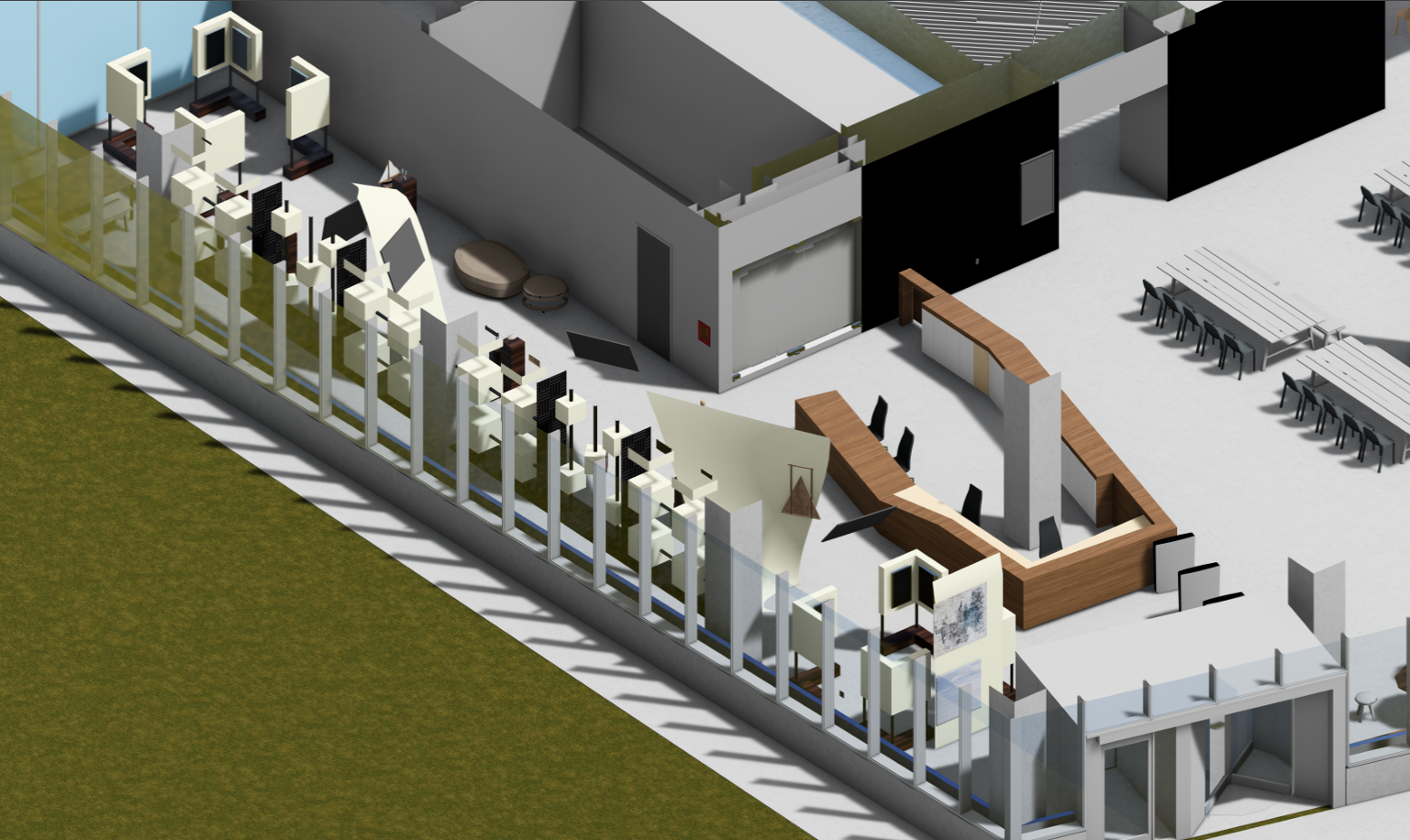
Axonometric/3D View
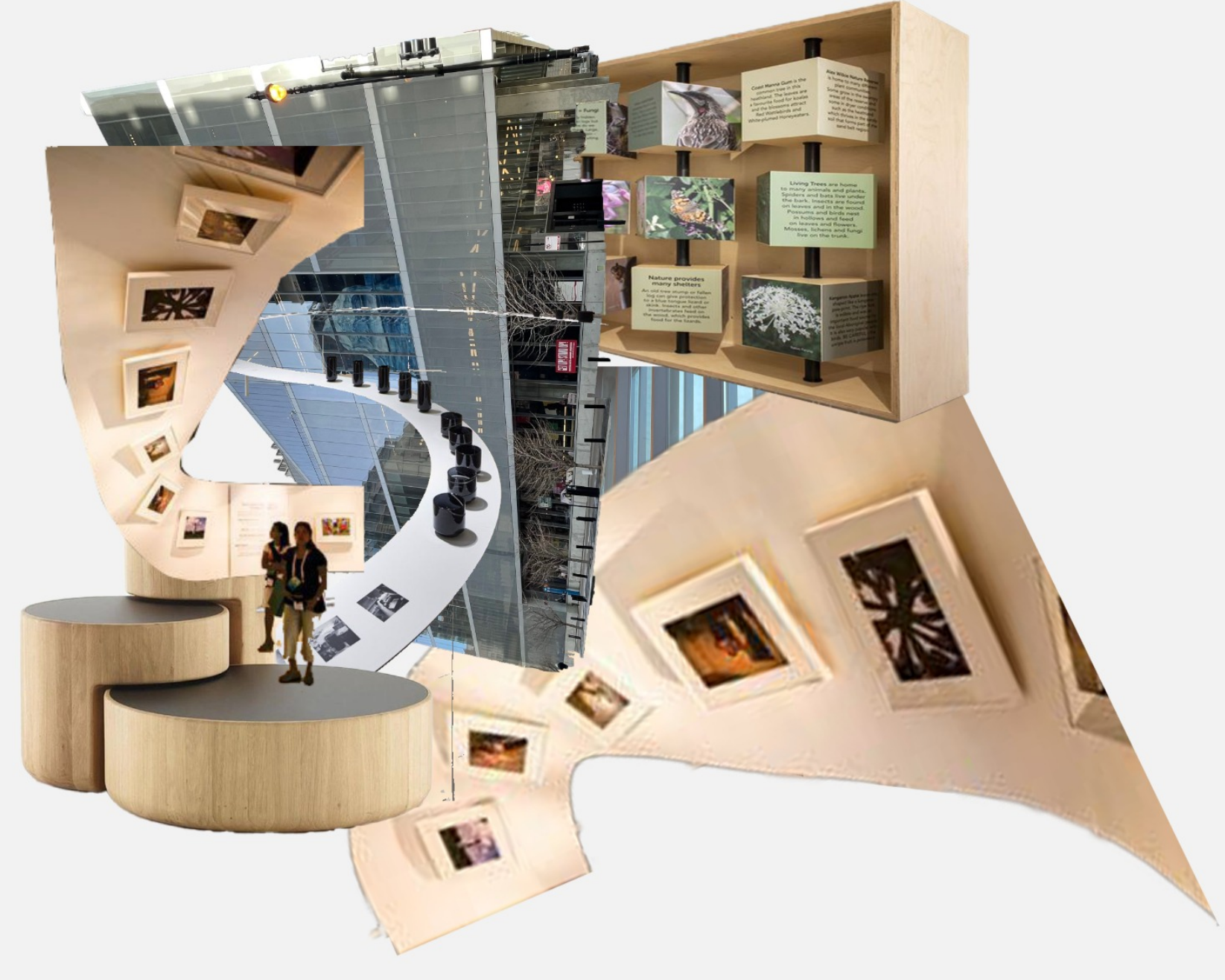
Collage 1
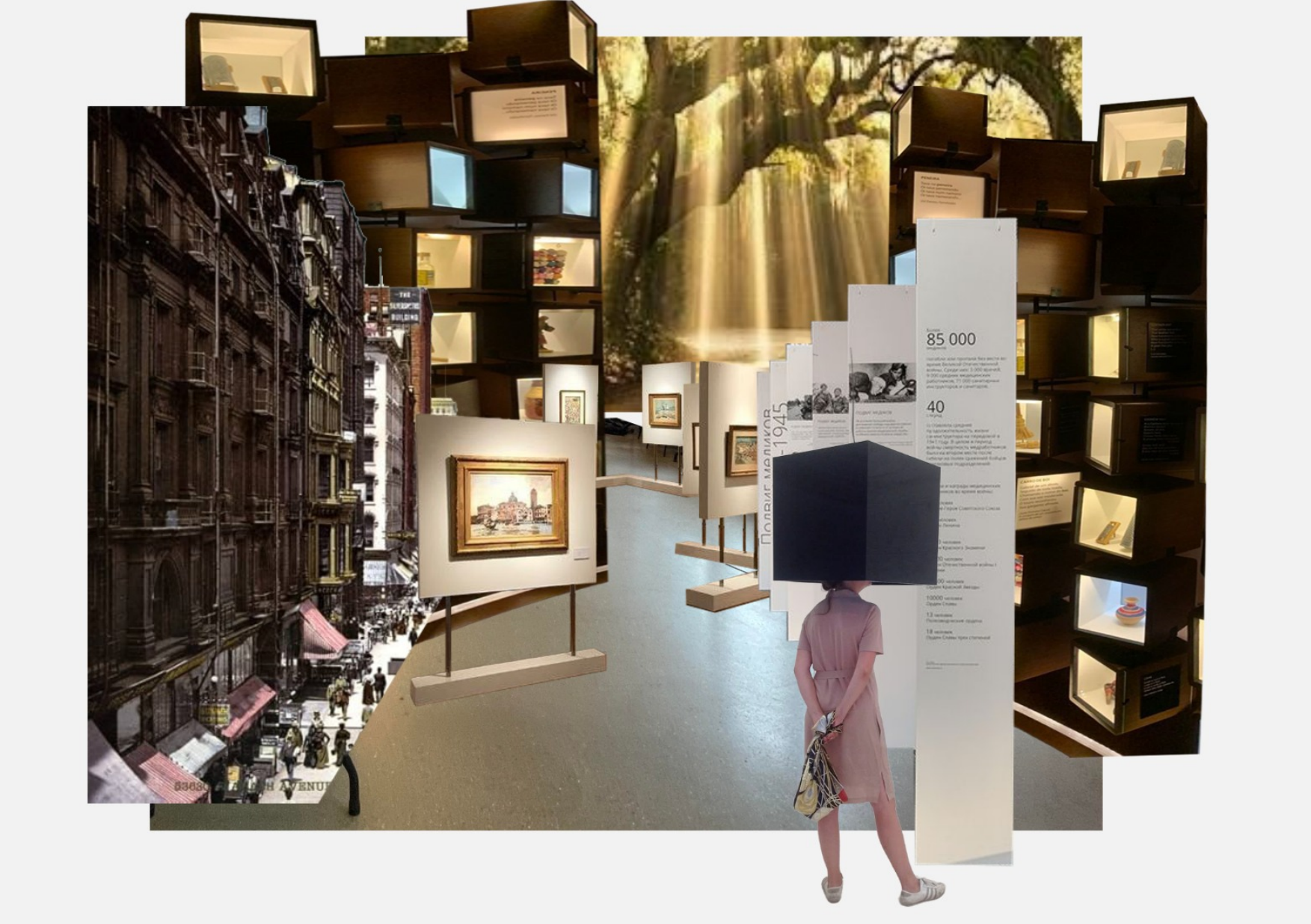
Collage 2
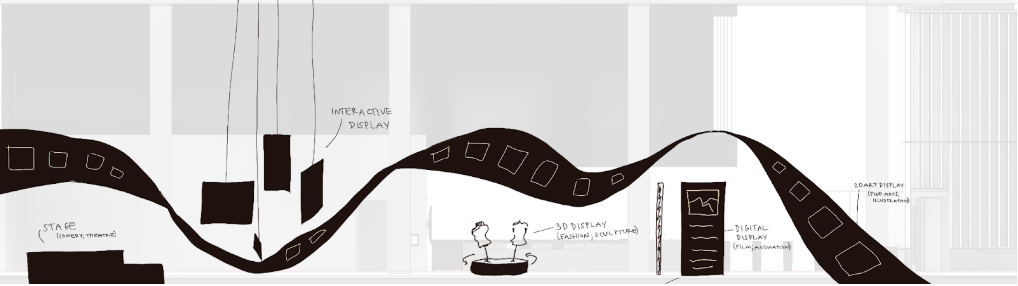
Conceptual Diagram (Alia Yousuf)
3d renderings
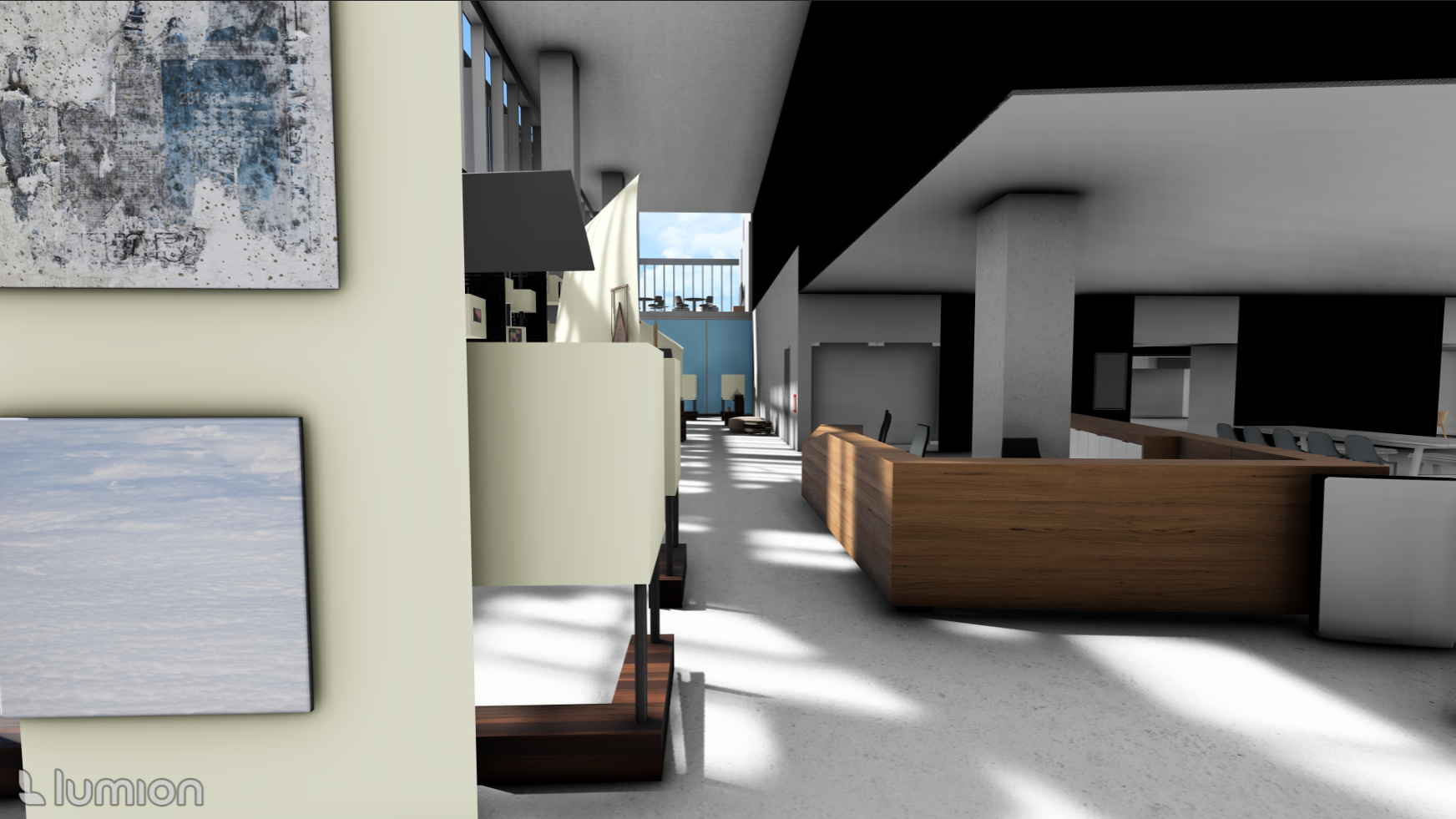
Interior Perspective 1: Main Entrance
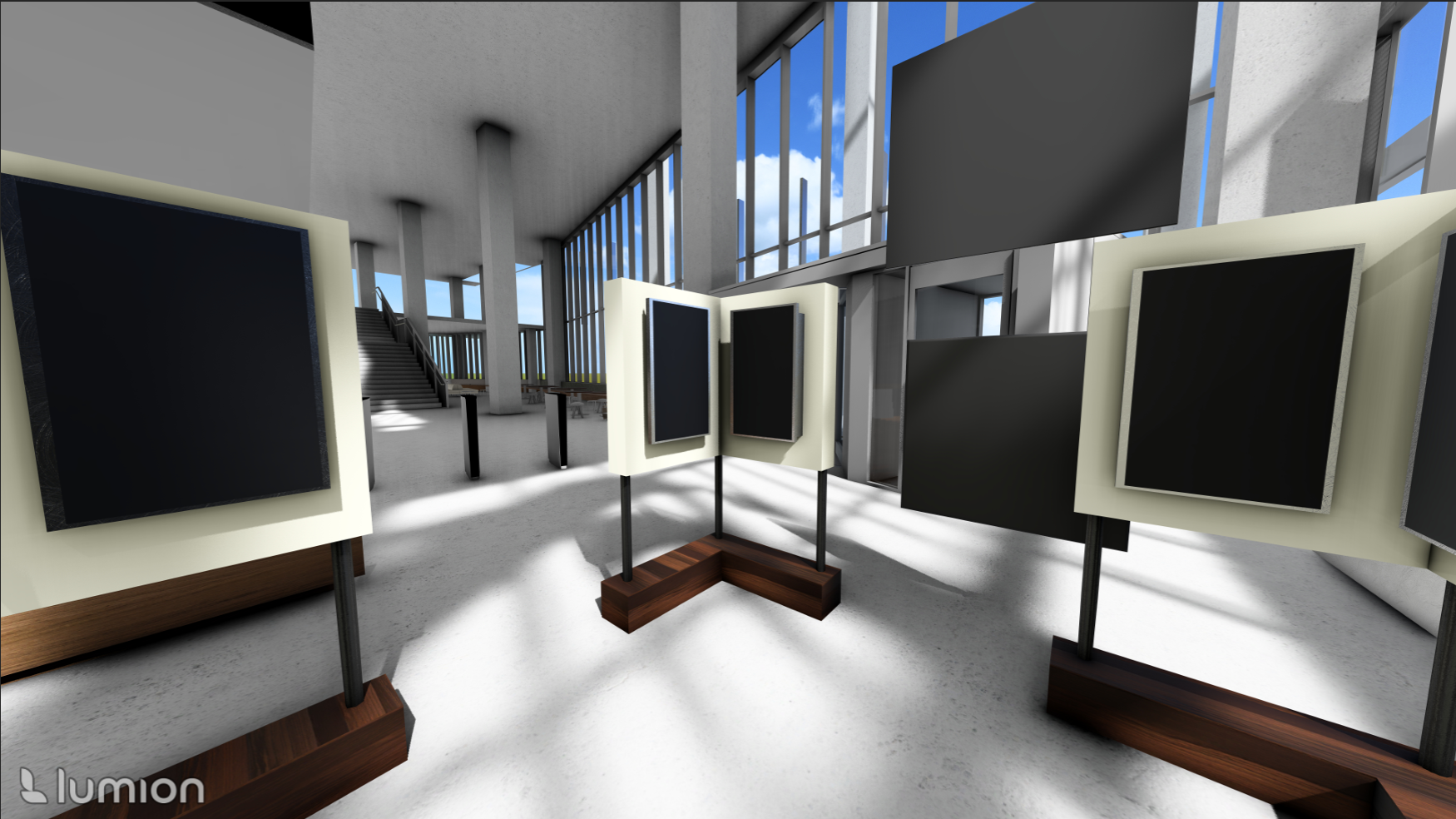
Interior Perspective 2: Digital Gallery
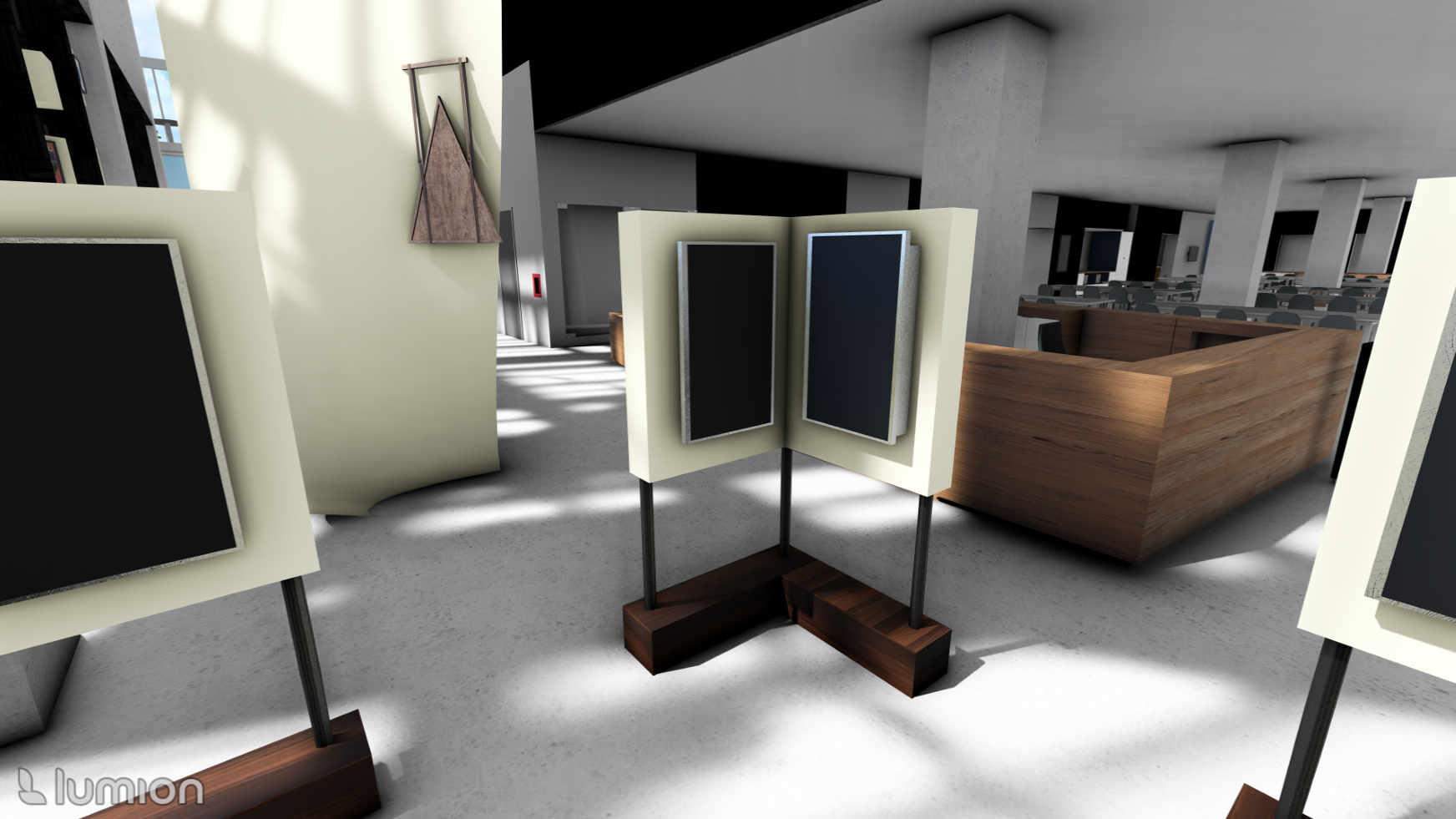
Interior Perspective 3: Digital Gallery
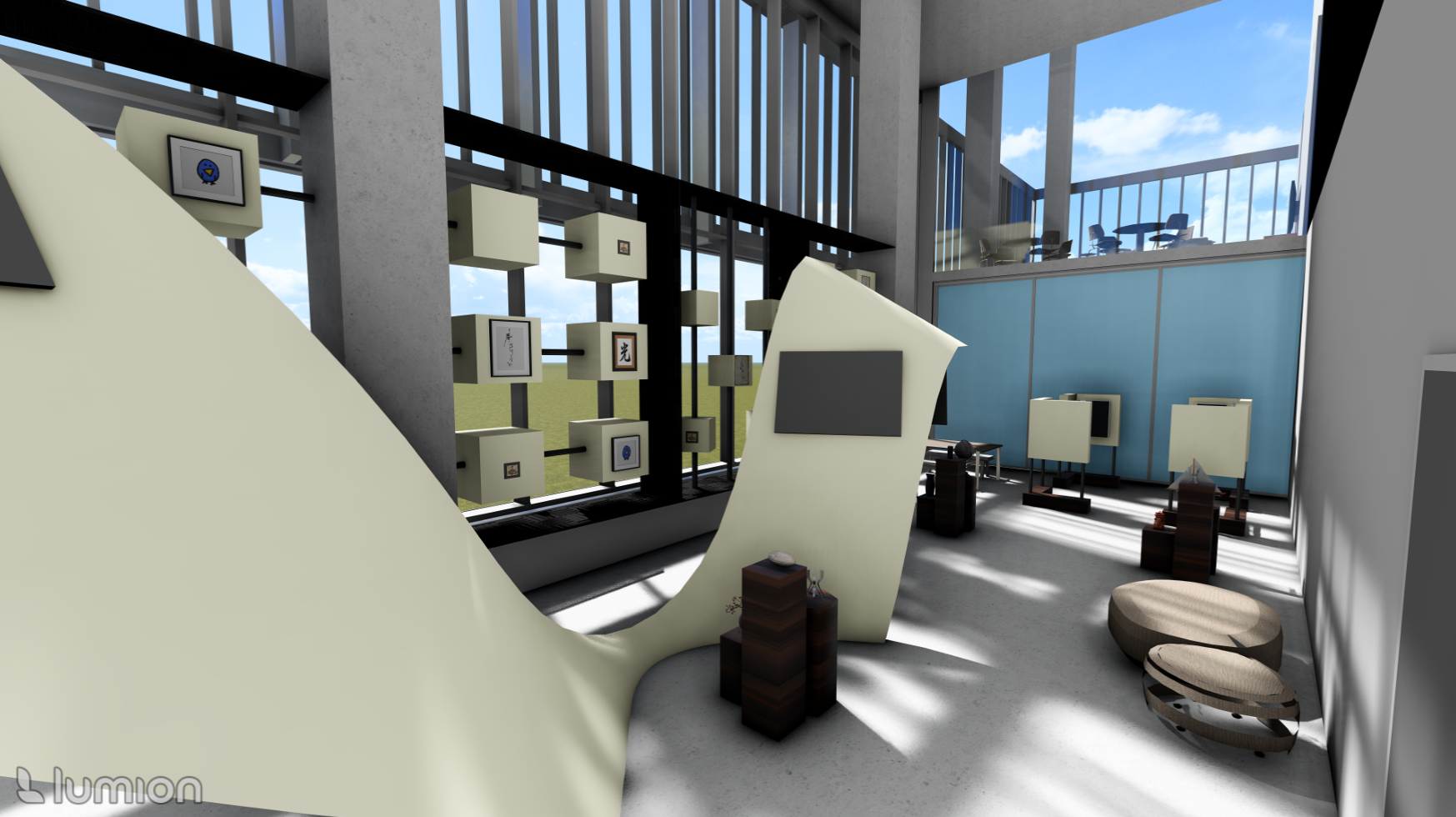
Interior Perspective 4: Walking towards center of gallery
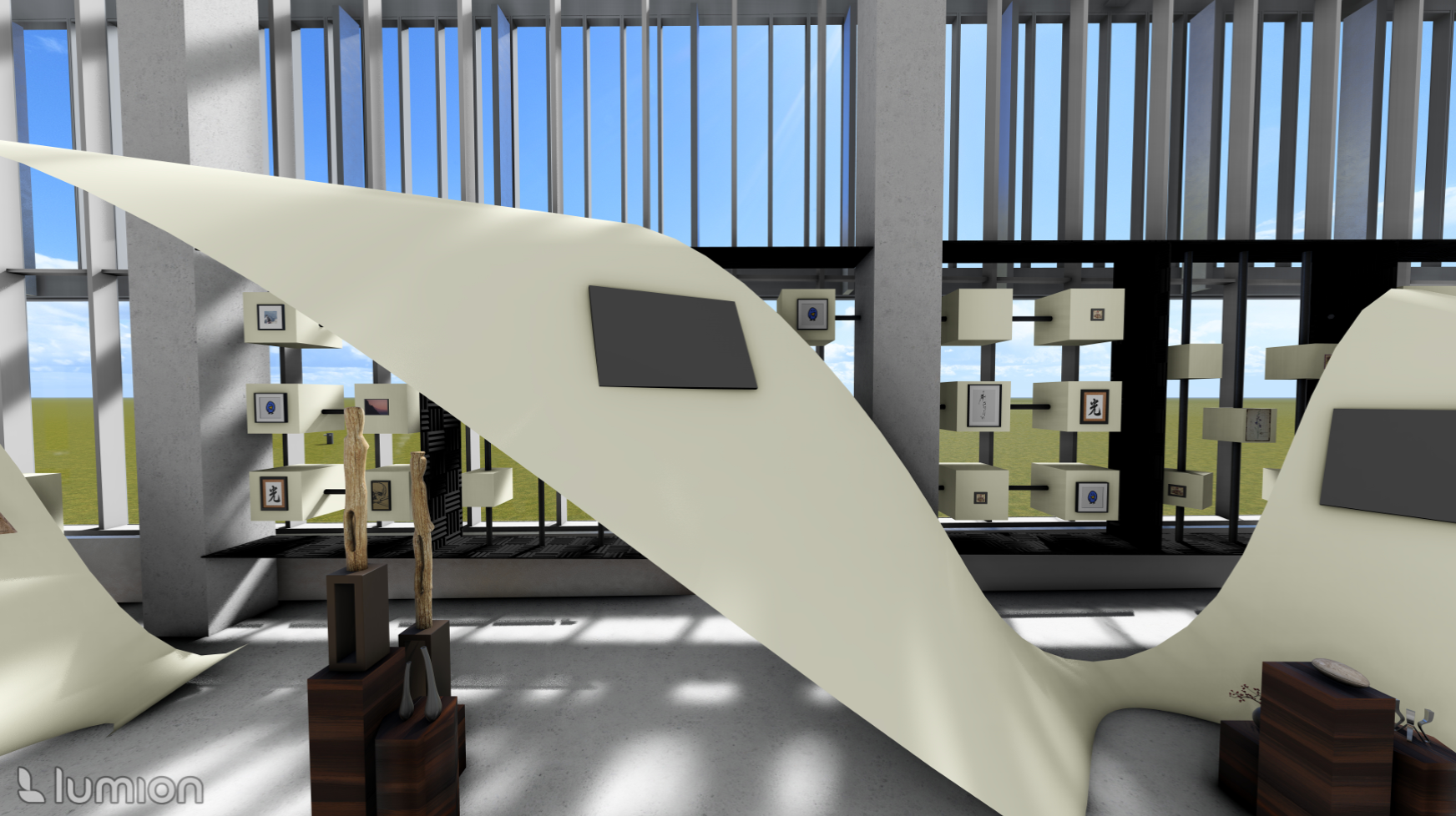
Interior Perspective 5: Center of Gallery
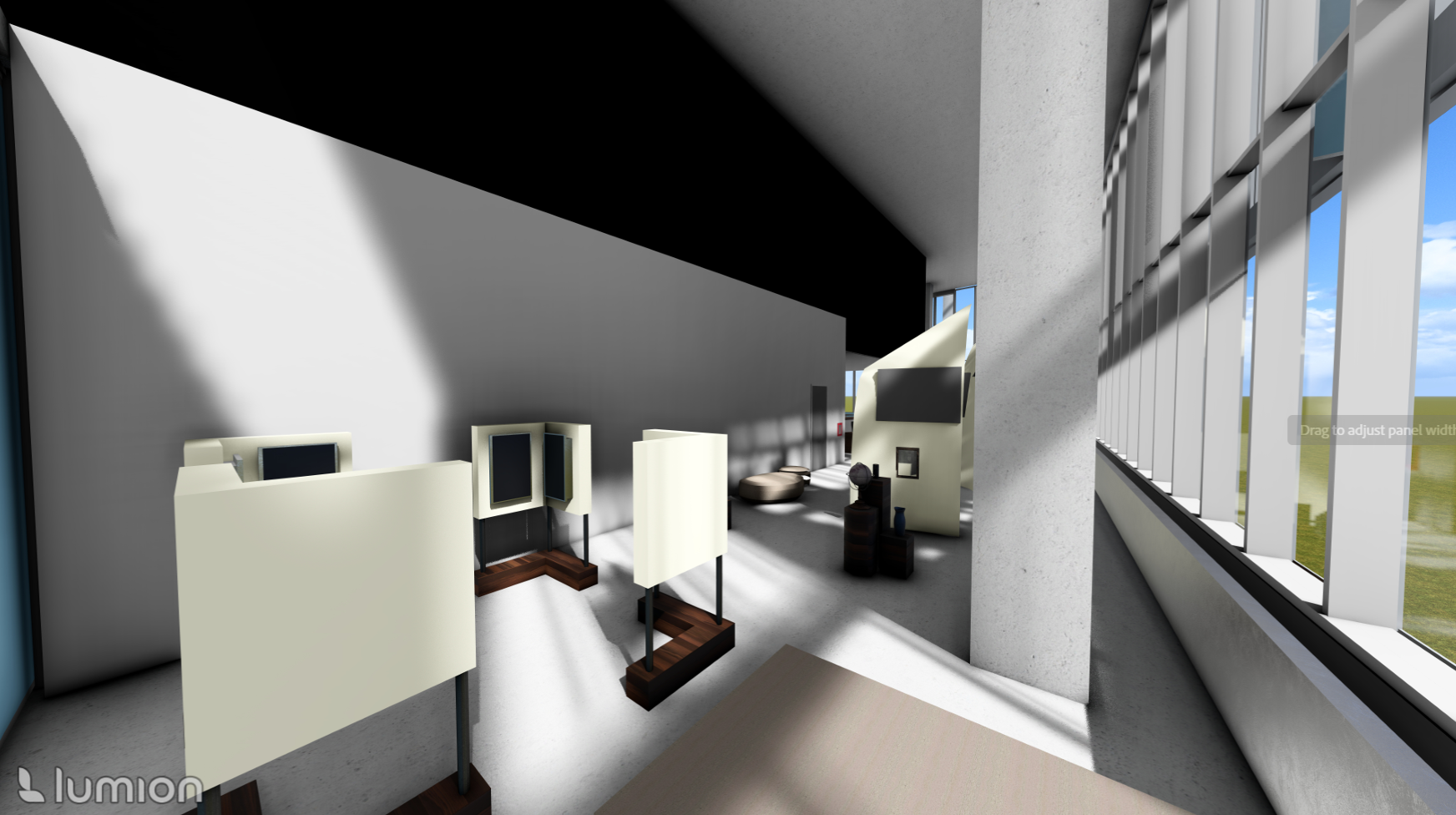
Interior Perspective 6: End of Gallery Space
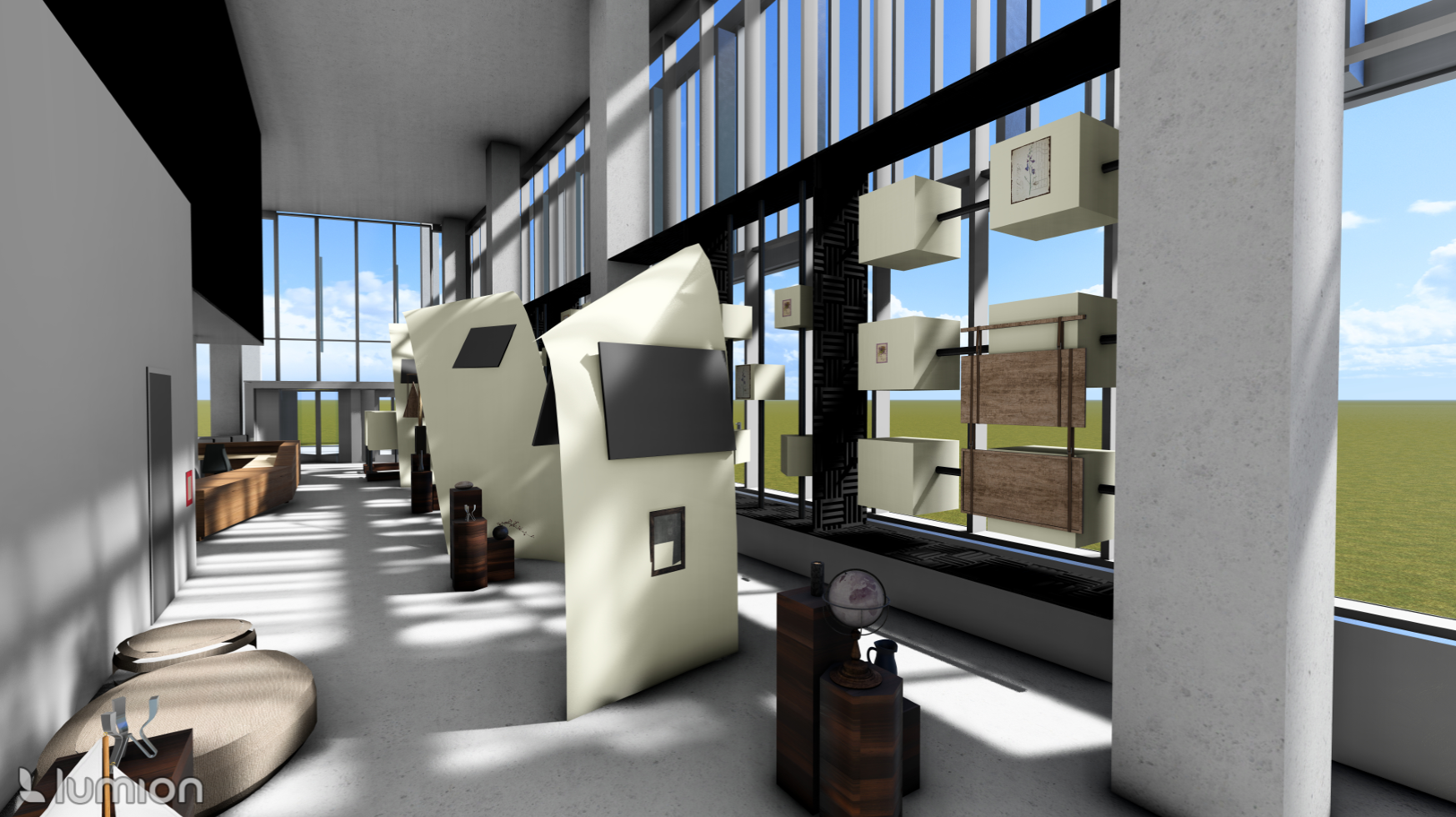
Interior Perspective 7: Walking back from end of gallery